


Virgin Australia Flight VA1528 Scare: Lithium Battery Fire Erupts in Overhead Locker. Sydney to Hobart Flight Lands Safely, Prompting Airline to Rethink Battery Policies
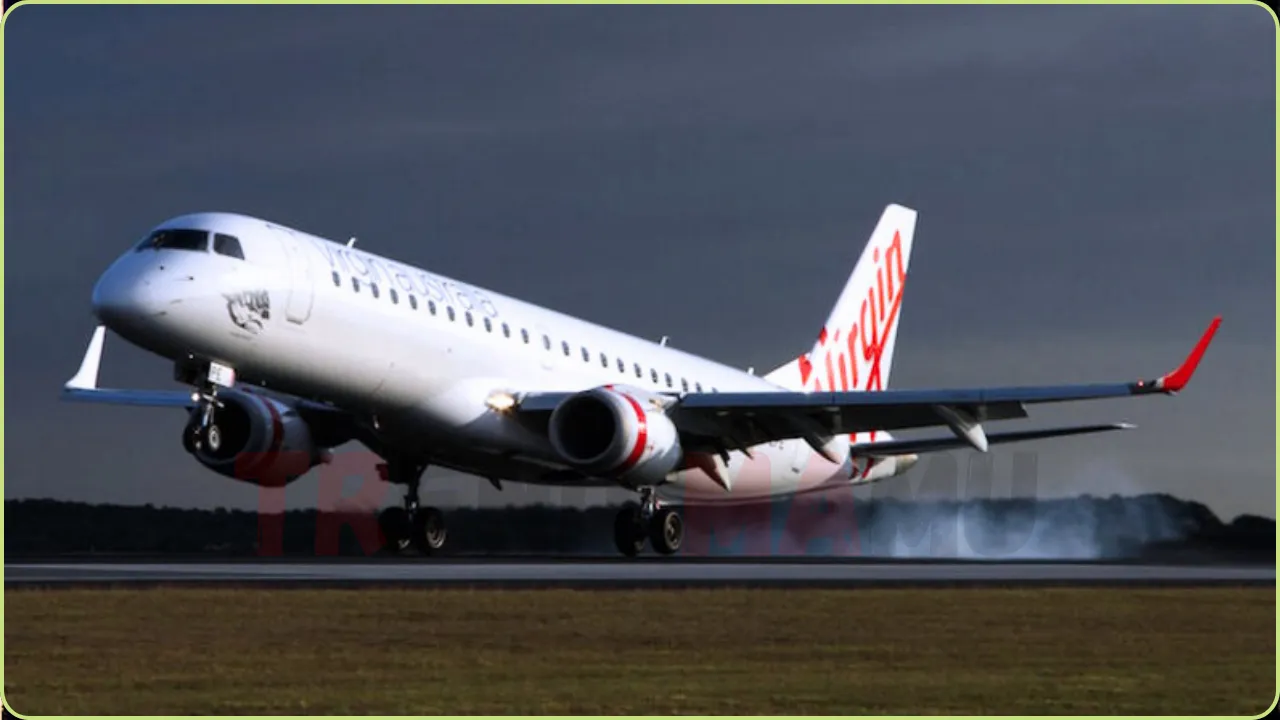
A Virgin Australia flight from Sydney to Hobart became the scene of a terrifying mid-air incident on July 21, 2025, when a fire broke out in an overhead locker, believed to be caused by a lithium battery in a passenger’s power bank. Flight VA1528, a Boeing 737-8FE, was descending into Hobart Airport when smoke filled the cabin, sparking panic among passengers.
Quick action by the crew extinguished the blaze, ensuring a safe landing, but the incident has raised alarms about the growing risks of lithium-ion batteries on flights. With one passenger treated for smoke inhalation and Virgin Australia reviewing its battery policies, here’s a detailed look at the event, its aftermath, and the broader implications for aviation safety.
A Fiery Descent Over Hobart
Flight VA1528 took off from Sydney Kingsford Smith Airport at 7:40 a.m. on Monday, July 21, 2025, bound for Hobart, Tasmania. Just after 9:00 a.m., as the plane began its descent, passengers reported a “funny smell” and noticed smoke seeping from an overhead locker, about 10 minutes from landing.
Witnesses described a “small ball of fire” bursting out when the crew opened the compartment, revealing a passenger’s carry-on bag ablaze. The fire, suspected to be caused by a lithium-ion battery in a power bank, triggered chaos, with some passengers jumping from their seats and others offering water bottles to assist the crew.
Cabin crew initially attempted to douse the flames with onboard fire extinguishers, but these proved ineffective against the lithium battery fire, which can reach temperatures of 600°C and resist standard extinguishing methods due to thermal runaway—a chain reaction of overheating and combustion.
The crew ultimately used water to cool the fire, a method experts recommend for lithium-ion blazes to prevent reignition. The plane landed safely at Hobart Airport at 9:11 a.m., four minutes ahead of schedule, where Airservices Australia firefighters boarded and removed the smoldering bag. One passenger was treated for suspected smoke inhalation, but no serious injuries were reported, and the crew was cleared by paramedics.
Swift Response and Investigation
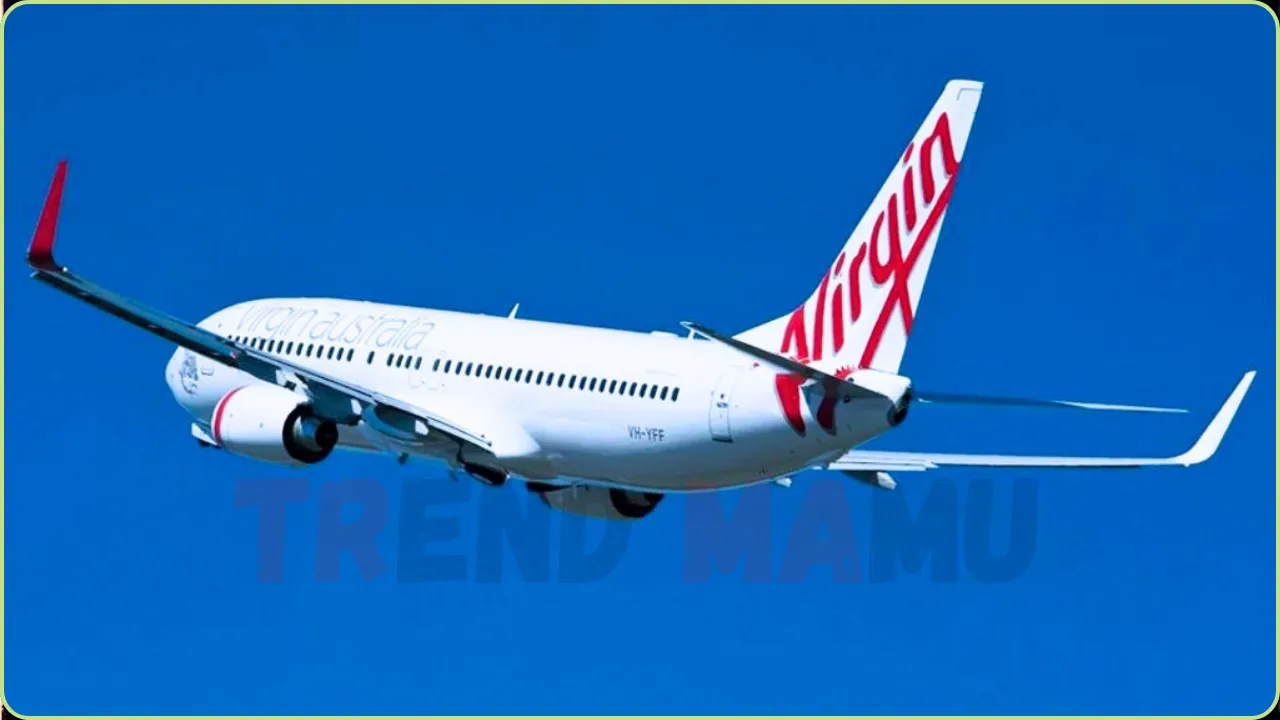
Virgin Australia praised the “swift and professional response” of its flight and cabin crew, emphasizing that “safety is always our highest priority.” Hobart Airport’s chief operating officer, Matt Cocker, confirmed all passengers disembarked safely, with operations continuing normally despite a five-hour delay for the return flight to Sydney (VA1531), as the affected Boeing 737-8FE (VH-YFY) was grounded for damage assessment.
A replacement aircraft (VH-YFV) was sourced to minimize disruptions.
The airline, in collaboration with the Australian Transport Safety Bureau (ATSB) and Civil Aviation Safety Authority (CASA), launched an investigation to confirm the fire’s cause, widely believed to be a power bank’s lithium-ion battery.
Virgin Australia stated that findings could lead to “permanent changes to our battery policy to ensure the safety of our guests and team members.” The incident, captured in footage showing smoke and a flight attendant using an extinguisher, went viral, with social media posts describing it as “terrifying” but commending the crew’s calm handling. One X post noted, “Huge props to Virgin’s crew for keeping everyone safe.”
Lithium Battery Risks in Aviation
Lithium-ion batteries, common in power banks, phones, and laptops, pose a significant fire hazard due to their potential for thermal runaway, which can produce intense heat, toxic gases, or explosions. CASA advises that spare batteries and power banks must be carried in cabin baggage, not checked luggage, to allow quick detection of issues.
The agency reported that the average Australian passenger travels with four lithium-powered devices, and a 92% surge in battery-related incidents was recorded from 2020 to 2022. Globally, the U.S. Federal Aviation Administration noted a 388% increase in lithium battery fires on flights from 2015 to 2024, with 34 incidents in 2025 alone, 11 linked to power banks.
The VA1528 fire follows a January 2025 incident in South Korea, where an Air Busan Airbus A321 was destroyed by a power bank fire on the tarmac, leading to a ban on storing power banks in overhead lockers. Airlines like Singapore Airlines, Korean Air, and Thai Airways have since tightened rules, with Singapore banning in-flight power bank use entirely from April 2025. Experts, including University of Melbourne’s Amanda Ellis, highlight a lack of Australian battery standards, noting that proprietary designs obscure safety details, exacerbating risks as power bank use rises.
Policy Changes and Public Reaction
Virgin Australia’s review may mirror global trends, potentially restricting power bank storage or charging on flights. Current rules allow power banks up to 100Wh in carry-on luggage without approval, with 100-160Wh units requiring permission.
Social media reflects growing concern, with one X user stating, “Lithium batteries are a flying hazard—time for stricter rules.” Others questioned the need for power banks, citing long-lasting device batteries, while some defended their utility for travel. The incident has reignited debates about balancing convenience with safety, with Australia’s consumer watchdog warning against using damaged or unregulated chargers.
As Virgin Australia investigates, the incident underscores the need for updated aviation policies to address the rising prevalence of lithium-ion devices. The safe landing of VA1528, despite the scare, highlights the importance of crew training and passenger vigilance in averting disaster.