


Delta Toronto Crash Nightmare: Hero Flight Attendant Sues Over ‘Inexperienced Pilot’ Claims
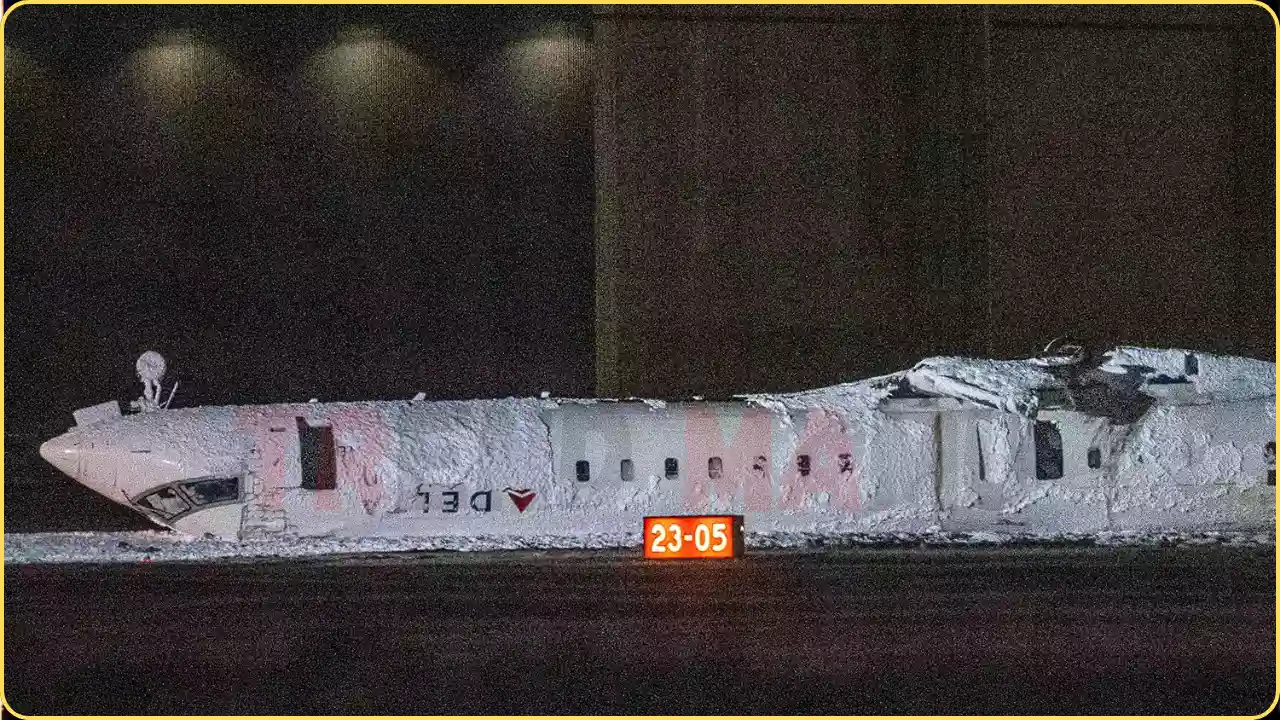
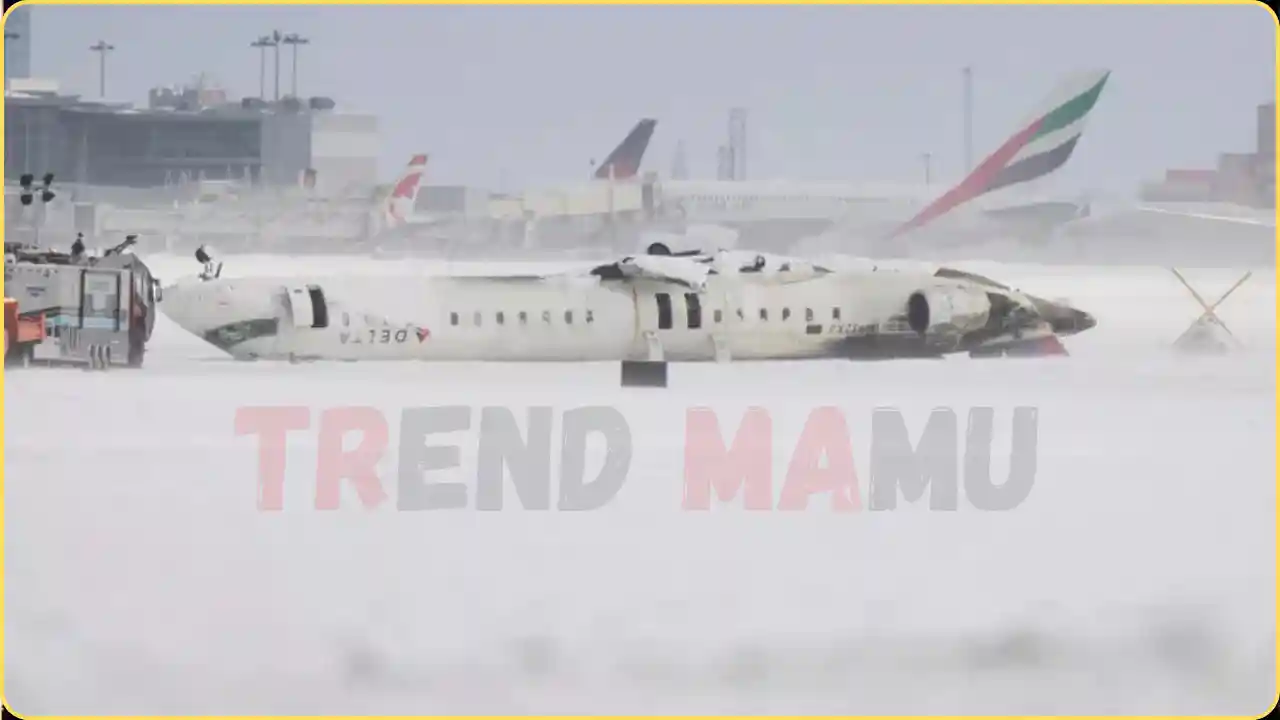
On February 17, 2025, Delta Air Lines Flight 4819, operated by its subsidiary Endeavor Air, crash-landed at Toronto Pearson International Airport, flipping upside down in a fiery skid that left passengers and crew in terror. Vanessa Miles, a 67-year-old Endeavor Air flight attendant, was among the 80 people on board.
Now, she’s suing Delta and Endeavor for $75 million, alleging negligence and an “inexperienced” pilot caused the catastrophic incident. Her lawsuit sheds light on a chilling ordeal and raises serious questions about airline safety practices.
A Heroic Flight Attendant’s Ordeal
Vanessa Miles, a Detroit resident, was “deadheading”—traveling as a passenger to her next assignment—when Flight 4819, a Bombardier CRJ-900, departed Minneapolis for Toronto. At approximately 2:45 p.m., the plane approached Runway 23 under gusty winds of up to 35 knots. According to a preliminary report by Canada’s Transportation Safety Board (TSB), a cockpit warning signaled a “high rate of descent” just 2.6 seconds before impact. The plane landed hard, causing the right main landing gear to fracture, the wing to detach, and a cloud of jet fuel to ignite. The aircraft skidded and rolled, coming to rest upside down.
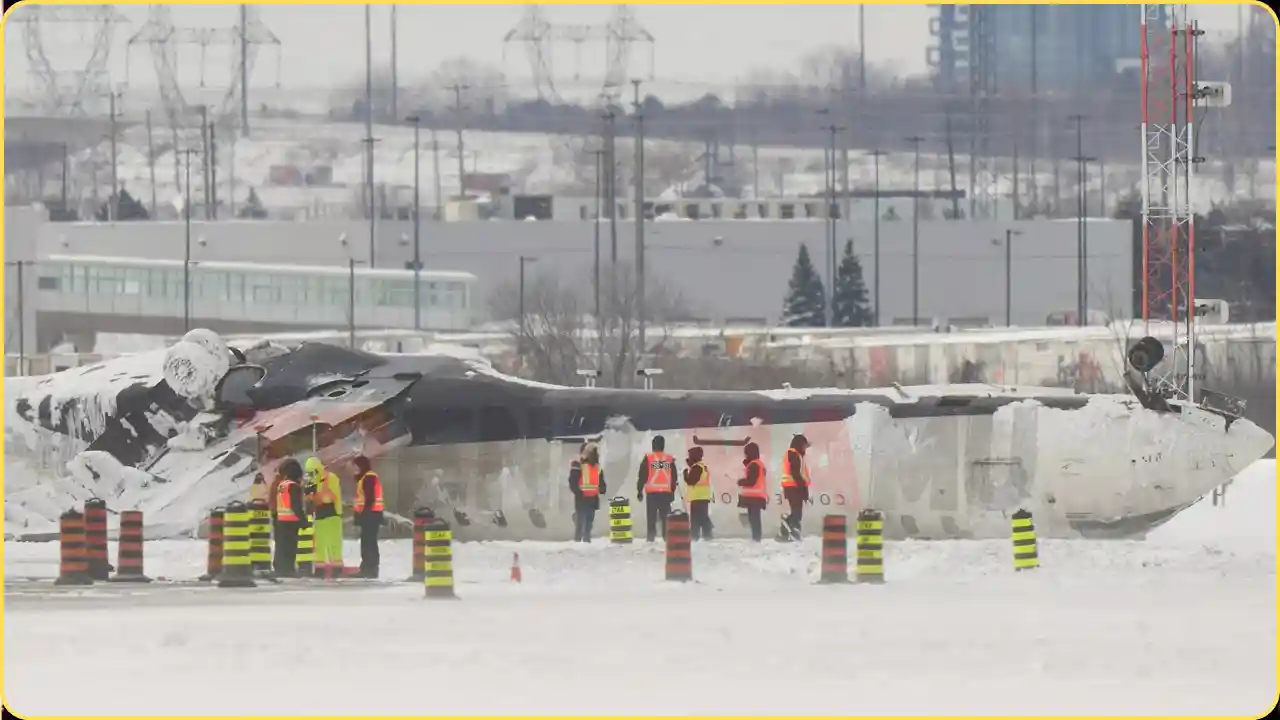
Miles, honored earlier in 2025 by the U.S. Association of Flight Attendants for her heroism in aiding passengers despite her injuries, described a harrowing scene. Her lawsuit, filed on July 28 in Michigan federal court, claims she was knocked unconscious, waking to find herself hanging upside down, soaked in jet fuel, and surrounded by smoke.
After releasing her seatbelt, she fell 6-7 feet to the ground due to non-deployed emergency slides, then waited an hour in 15-degree Fahrenheit weather for medical transport. She alleges severe injuries, including a fractured shoulder, traumatic brain injury, back injuries, depression, and post-traumatic stress disorder.
Allegations of Negligence and Inadequate Training
Miles’ 15-page complaint accuses Delta and Endeavor of “gross negligence” and prioritizing “profits over safety.” Central to her claim is the assertion that the crash resulted from assigning an “inexperienced and inadequately trained” first officer to pilot the flight. The TSB confirmed the first officer, who joined Endeavor in January 2024 and had 1,422 flight hours, was flying the plane, with the captain, hired in 2007 with 3,570 hours, supervising. Both were FAA-certified, and Delta has refuted claims of inadequate training, emphasizing their qualifications.
The lawsuit further alleges Delta and Endeavor rushed pilots through training, failed to maintain the aircraft’s landing gear, and lacked adequate emergency procedures. Miles’ attorney, Madeline Sinkovich of Mike Morse Law Firm, stated, “Ms. Miles suffered significant injuries due to preventable safety, training, and evacuation failures. We are pursuing full accountability.” The claims, untested in court, align with at least 19 other lawsuits filed by passengers, including Canadians and Americans, in U.S. courts.
Delta’s Response and Ongoing Investigation
Delta Air Lines and Endeavor Air have declined to comment on the litigation, citing their support for the TSB’s ongoing investigation, expected to conclude in fall 2026. A Delta spokesperson, Morgan Durrant, reiterated that both pilots were “qualified and FAA-certified,” denying allegations of negligence.
In May, Delta’s attorney, Michael G. McQuillen, filed a response to another passenger lawsuit, asserting the airline’s non-liability. The company also offered passengers $30,000 each, described as a “no-strings-attached” gesture, though some, like Miles, seek greater compensation under the Montreal Convention, which governs international flight incidents.
The TSB’s March 20 report noted the plane’s rapid descent and abnormal nose pitch, but the exact cause remains undetermined. Investigators are probing pilot training, landing gear integrity, and emergency coordination, with the “black boxes” recovered for analysis.
Broader Implications for Airline Safety
Miles’ lawsuit, backed by her heroic actions post-crash, amplifies concerns about airline safety standards. The incident, which hospitalized 21 people but miraculously saw all 80 occupants survive, has sparked a wave of legal action and public scrutiny. As Delta faces mounting lawsuits, the case highlights the human cost of aviation mishaps and the need for rigorous training and maintenance protocols. For Miles, unable to return to work due to her injuries, the fight for justice continues, with her story resonating as a call for accountability in the skies.