


Trump Zelensky Putin Summit: Trump’s Ukraine Peace Push Falters: Kremlin Downplays Zelensky-Putin Summit Hopes!
Washington, August 20, 2025 – Efforts to broker peace in the ongoing Russia-Ukraine conflict face fresh hurdles as the Kremlin tempers expectations for a potential summit between Russian President Vladimir Putin and Ukrainian President Volodymyr Zelensky.
The push for dialogue follows recent high-profile meetings, including US President Donald Trump’s discussions with Putin in Alaska and a White House gathering with Zelensky and seven European leaders. However, Trump has warned that Putin may not be willing to negotiate, casting doubt on the prospects of an imminent resolution.
Trump’s Call for Direct Talks
The idea of a bilateral meeting between Putin and Zelensky gained traction after Trump met the Russian leader in Alaska last week and hosted Zelensky alongside European leaders on Monday. Speaking to conservative radio host Mark Levin on Tuesday night, Trump described the conflict as “tough” and admitted that Putin might not be interested in a deal. “We’re going to find out about President Putin in the next couple of weeks,” he said, adding that Putin would face a “rough situation” if he refuses to negotiate, though he provided no further details.
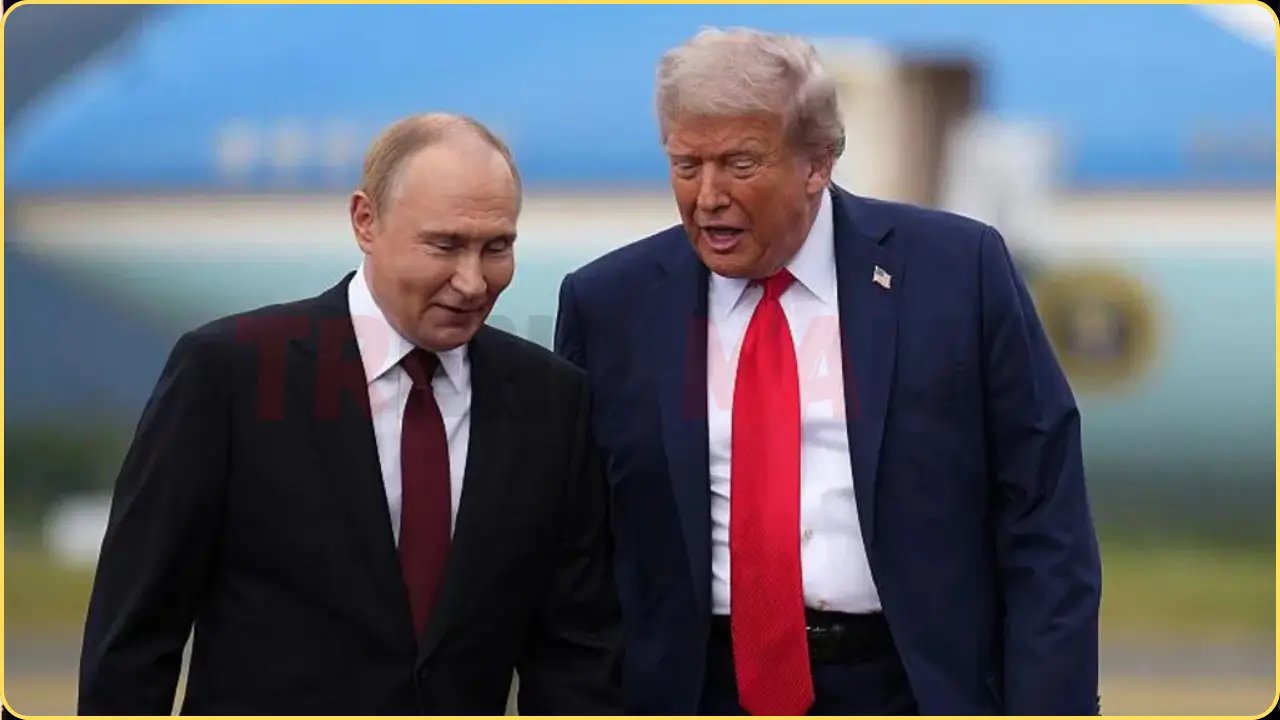
Trump suggested that a direct meeting between Putin and Zelensky, without his involvement, would be ideal, stating, “It would be better if they met without me.” However, he expressed willingness to join if necessary, adopting a wait-and-see approach. The US president’s comments reflect a renewed understanding of the war’s complexities, particularly the wide gap between Moscow’s demands and Kyiv’s position on sovereignty and security.
Kremlin’s Cautious Response
On Monday, Putin told Trump he was “open” to direct talks with Ukraine, raising hopes for a breakthrough. However, Russian Foreign Minister Sergei Lavrov quickly downplayed the statement, emphasizing that any summit would require gradual preparation, starting with expert-level discussions. Dmitry Polyanskiy, Russia’s deputy representative to the UN, echoed this sentiment, telling reporters that talks must have a clear purpose and not be held “for the sake of a meeting.” The Kremlin’s cautious stance suggests reluctance to commit to immediate high-level negotiations.
Reports surfaced on Tuesday that Putin proposed Zelensky travel to Moscow for talks, a suggestion Kyiv is unlikely to accept given the ongoing conflict and security concerns. Analysts view this as a possible tactic by Russia to propose an unfeasible option, potentially undermining the prospects of meaningful dialogue.
European Skepticism and Security Guarantees
While Trump remains optimistic about brokering peace, European leaders are less hopeful. French President Emmanuel Macron labeled Putin “a predator” and expressed “the greatest doubt” about his willingness to pursue peace. Finnish President Alexander Stubb similarly voiced skepticism, noting that Putin is “rarely to be trusted.”
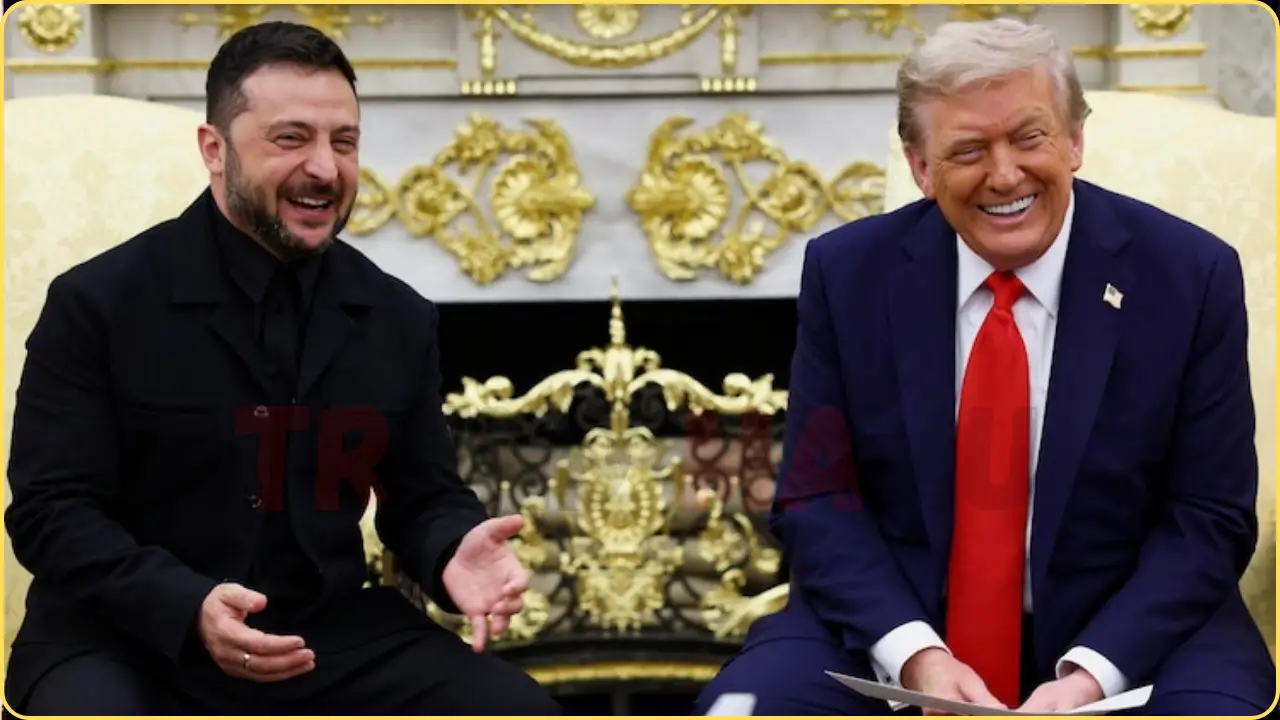
Despite these concerns, discussions on bolstering Ukraine’s security continue. A UK and France-led “coalition of the willing” is working on plans for a reassurance force to be deployed in Ukraine if hostilities cease. A Downing Street spokesperson confirmed that the group will meet US counterparts soon to strengthen these plans.
Trump has indicated that the US could provide air support—potentially including intelligence or aircraft—if European nations contribute ground forces in a post-conflict scenario. However, he ruled out deploying US troops, leaving the specifics of such support unclear. NATO’s military chiefs are set to hold a virtual meeting on Wednesday, while the UK’s military chief, Admiral Tony Radakin, is in Washington to discuss the reassurance force.
Challenges Ahead for Peace Efforts
Recent talks have shifted Trump’s focus from a quick ceasefire to advocating for a permanent peace deal that includes robust security guarantees for Ukraine. Zelensky and European leaders have emphasized that such commitments are vital to protect Kyiv’s sovereignty.
However, with Putin’s intentions uncertain and European leaders skeptical, the path to peace remains fraught with challenges. More high-level talks are planned in the coming days, as questions linger about the extent of US support for Europe’s efforts to resolve the conflict.