


Russian Missile Strikes Kyiv: Russia’s Deadly Kyiv Strikes Kill 21, Damage EU Headquarters: Global Outrage Grows!
In a devastating escalation of the war in Ukraine, Russian missile and drone strikes on Kyiv have left at least 21 people dead, including four children, and caused significant damage to the European Union’s delegation office in the Ukrainian capital.
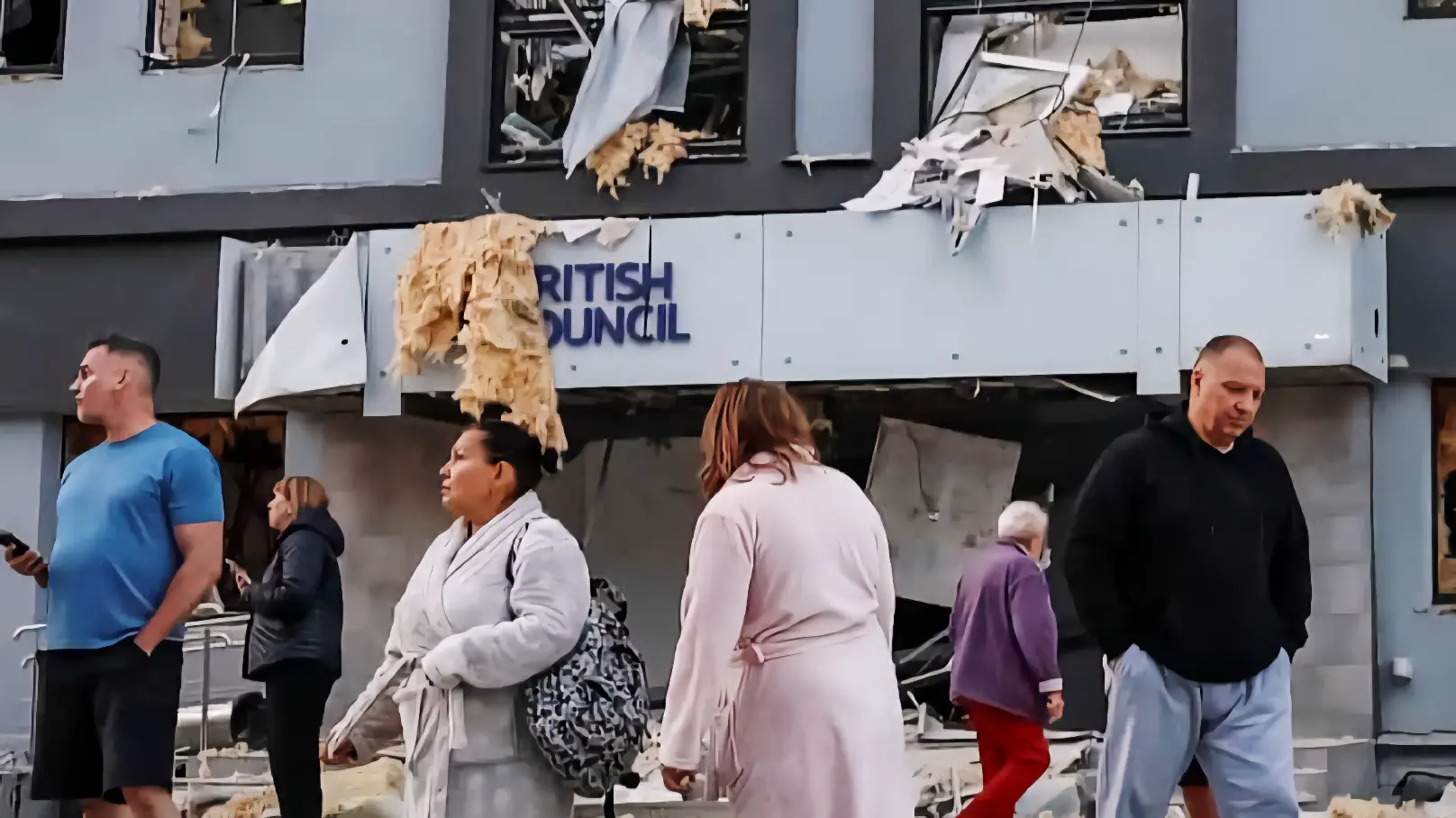
The overnight bombardment, described as the deadliest attack on Kyiv since July, has sparked widespread condemnation from European and global leaders, who accused Russia of deliberately undermining peace efforts. The assault also damaged the nearby British Council office and destroyed a residential building, intensifying calls for tougher sanctions against Moscow.
A Night of Destruction in Kyiv
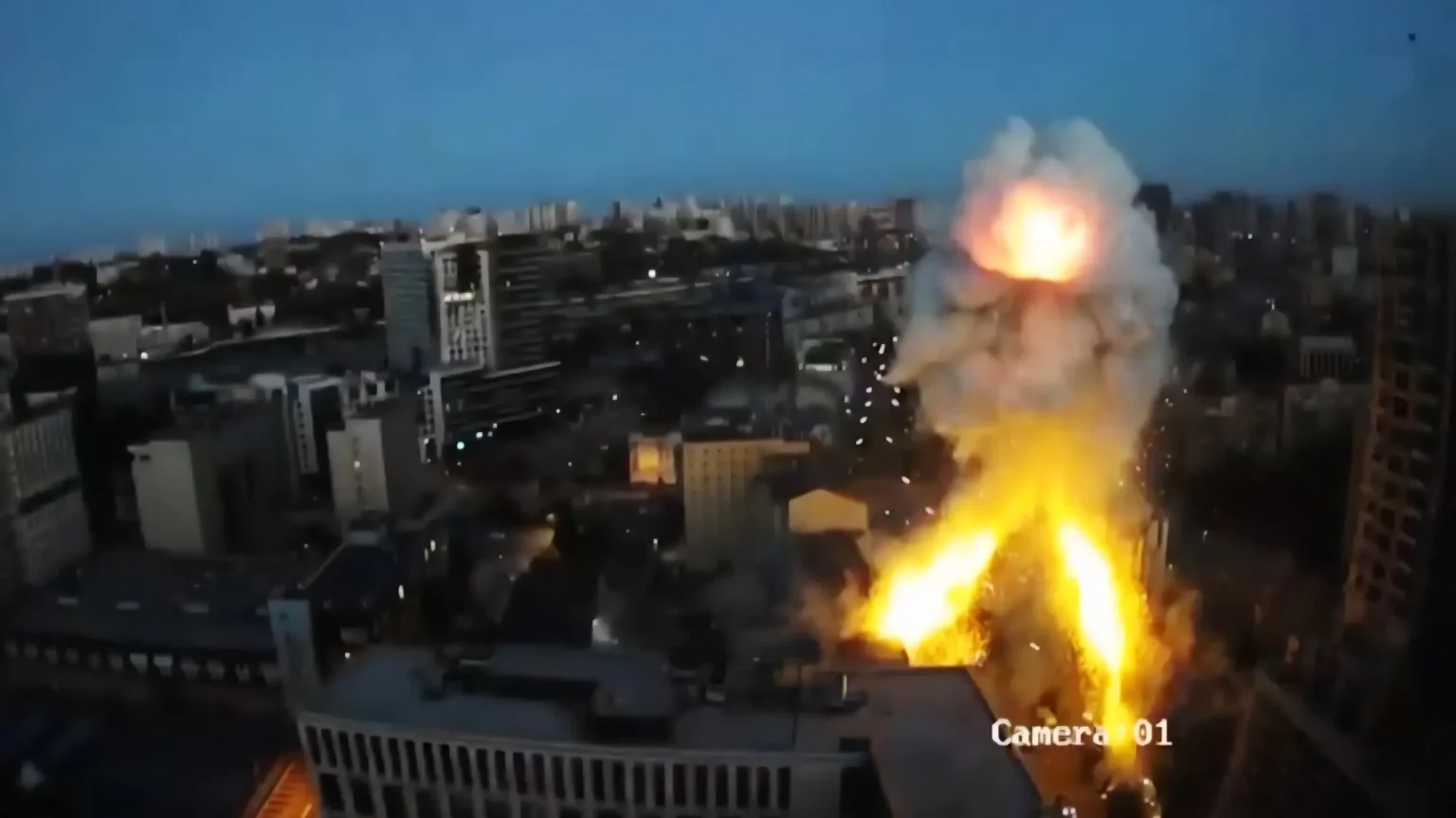
The attack began around 03:00 local time, when a missile tore through a five-story residential building in Kyiv’s south-eastern Darnytskyi district, reducing it to rubble. Ukrainian officials reported that the barrage included nearly 600 drones and over 30 ballistic and cruise missiles, marking it as the most intense assault on the capital this month.

Rescue workers and diggers worked tirelessly amid smoldering debris to search for survivors, but the human toll was heavy. Among the victims were three children aged two, 14, and 17, with several other young people injured.
The EU’s delegation office, located just 50 meters from where two missiles struck within 20 seconds, sustained damage, as did the nearby British Council, a cultural organization housed in the same building. The British Council announced that its office would remain closed to visitors until further notice due to the severity of the damage.
Ukrainian President Volodymyr Zelensky described the attack as a direct response from the Kremlin to international calls for a ceasefire and diplomacy, accusing Russia of choosing “ballistics instead of the negotiating table.”
Global Leaders Condemn Russia’s Actions
The strikes drew sharp rebukes from leaders across Europe and beyond. Ursula von der Leyen, head of the European Commission, expressed outrage at what she called Russia’s “grim reminder” of its intent to “terrorize Ukraine.” She emphasized that the attacks, which killed men, women, and children and targeted EU infrastructure, showed Moscow’s willingness to “stop at nothing.”
In response, the EU summoned Russia’s charge d’affaires in Brussels, with von der Leyen announcing plans for a 19th package of sanctions against Russia. She also revealed she would visit seven EU member states bordering Russia and Belarus Latvia, Finland, Estonia, Poland, Bulgaria, Lithuania, and Romania to discuss regional security.
UK Prime Minister Sir Keir Starmer accused Russian President Vladimir Putin of “sabotaging hopes of peace,” while EU foreign policy chief Kaja Kallas condemned the strikes as a “deliberate choice to escalate and mock peace efforts.” German Chancellor Friedrich Merz described the attack as evidence of Russia’s “increasing brazenness,” particularly given the targeting of the EU delegation.
In the United States, special envoy on Ukraine Keith Kellogg called the strikes “egregious,” arguing they undermined President Donald Trump’s efforts to broker peace.
Broader Impact of Russian Aggression
The Kyiv bombardment followed a series of Russian attacks on Ukraine’s energy infrastructure, which left over 100,000 homes without power on Wednesday and an additional 60,000 in the central Vinnytsia region after the latest strikes.
Russian forces also targeted a Ukrainian naval vessel, the reconnaissance ship Simferopol, in the Danube River, killing one crew member and wounding several others. Russia’s defense ministry claimed the attack was carried out using an unmanned speedboat, though Ukraine provided no specific details about the incident.
These attacks come at a time when diplomatic efforts to end the war have intensified. A US-led initiative, including talks between President Trump, Zelensky, and European leaders, has sought to bring Russia and Ukraine to the negotiating table.
However, the Kremlin’s actions have cast doubt on the prospects for peace. While Moscow claimed it remained “interested” in negotiations, Zelensky dismissed this as insincere, reiterating the need for “new, tough sanctions” to pressure Russia into meaningful dialogue.
Stalled Peace Efforts and Future Steps
The strikes have derailed hopes for a potential summit between Zelensky and Putin, an idea floated by President Trump following meetings in Alaska and Washington. Ukraine has expressed support for such talks, but the Kremlin has downplayed their likelihood.

Despite this setback, US officials are set to meet with a Ukrainian delegation in New York on Friday to discuss military, political, and economic security guarantees for Ukraine. These guarantees, developed in collaboration with European allies, aim to prevent future Russian aggression in the event of a peace agreement.
Zelensky also held discussions in Kyiv with Adm Sir Tony Radakin, head of Britain’s armed forces, to strengthen Ukraine’s defenses.
However, Russia has made it clear it will not accept European troops on the ground, calling such discussions without Moscow’s involvement a “road to nowhere.” The EU’s von der Leyen, meanwhile, underscored the bloc’s commitment to supporting Ukraine, both through sanctions and diplomatic efforts to isolate Russia.
A Call for Unity and Action
The latest Russian attacks have not only caused immense human suffering but also heightened tensions between Russia and the West. The targeting of diplomatic and cultural institutions, such as the EU delegation and British Council, has been seen as a provocative act, prompting swift diplomatic responses.
As rescue efforts continue in Kyiv and global leaders rally to support Ukraine, the path to peace remains fraught with challenges. For now, the international community is focused on holding Russia accountable while bolstering Ukraine’s resilience in the face of ongoing aggression.