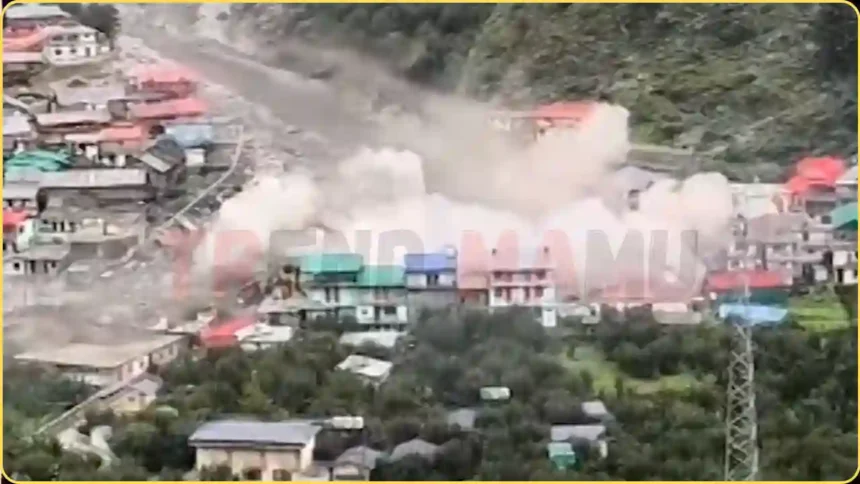
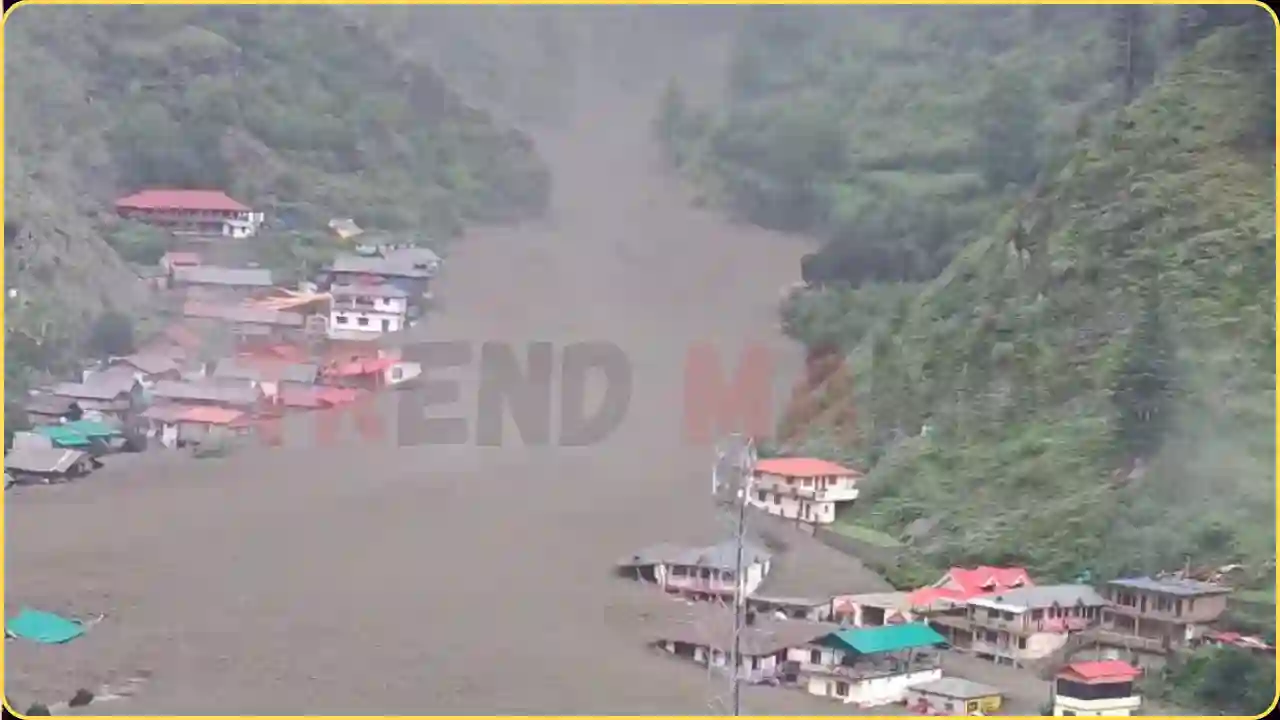
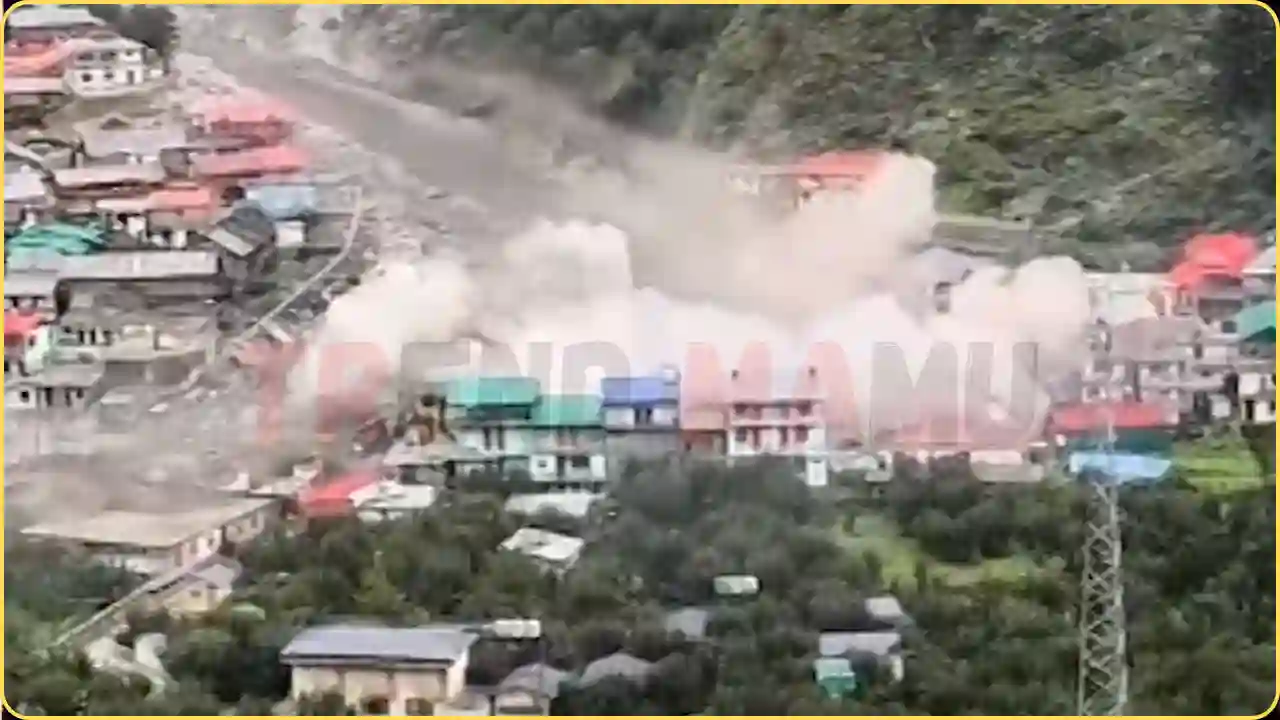
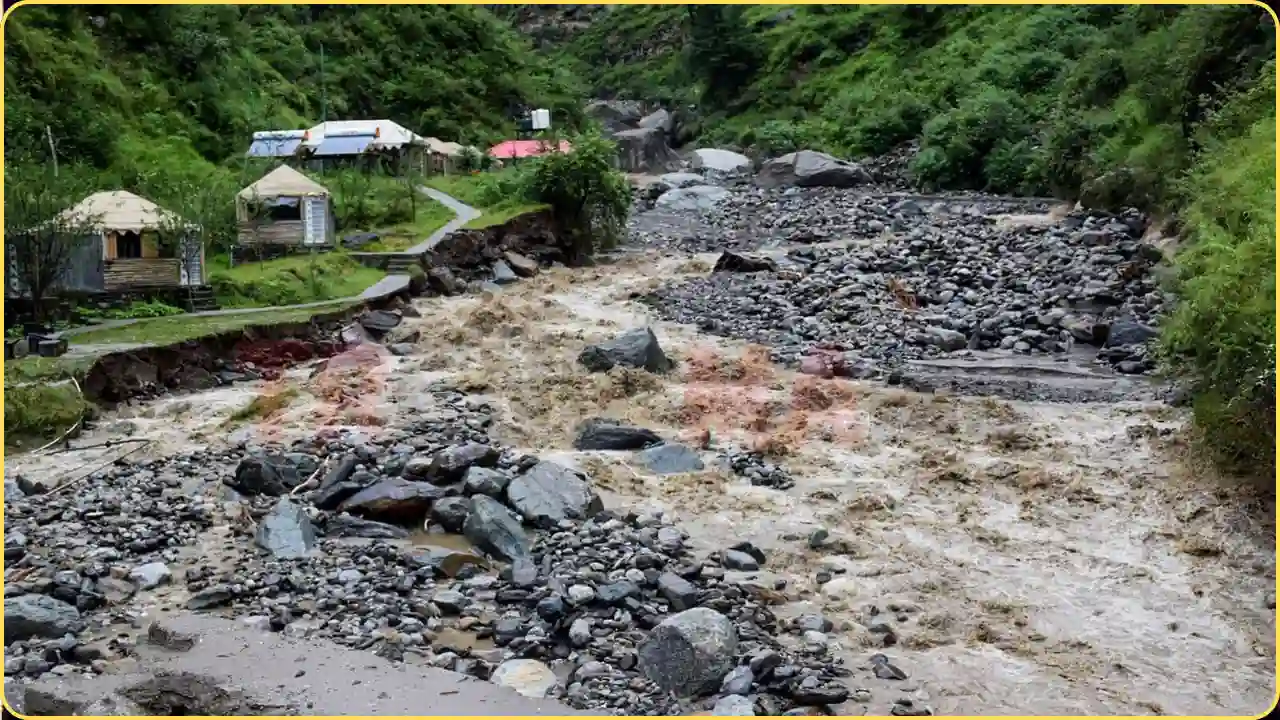
A catastrophic flash flood tore through Dharali, a town in India’s Himalayan state of Uttarakhand, on Tuesday, August 5, 2025, leaving at least five people dead and approximately 100 others missing. The surge of muddy water and debris demolished homes and infrastructure, prompting a massive search and rescue operation.
As authorities work tirelessly to locate survivors, the tragedy underscores the growing threat of climate-driven disasters in the region. Here’s a closer look at the crisis and its implications.
A Terrifying Deluge
The disaster struck Dharali in the afternoon, when a sudden cloudburst unleashed a torrent of water and mud that swept down a mountain valley. Videos broadcast on Indian media captured the horrifying scene: a roaring river of dark, debris-filled water engulfed entire homes and apartment blocks, leaving residents scrambling to escape.
Devastating Flash Flood Wipes Out Indian Town
Screams of fear echoed as people fled the surging floodwaters, which hit with devastating force. Many in the village were gathered at a temple for a festival when the flood struck, adding to the chaos.
The Indian defense minister, Sanjay Seth, confirmed four deaths, with officials warning that the toll could rise as rescue efforts continue. Around 100 people remain unaccounted for, including eight soldiers missing from a nearby camp.
“The number of missing persons is unknown, but relief efforts have continued through the night,” said Colonel Harshvardhan, a rescue leader, in a post on X on Wednesday, August 6. The Uttarakhand chief minister, Pushkar Singh Dhami, described the destruction as “extremely sad and distressing,” noting that rescue teams are operating on a “war footing.”
Challenging Rescue Operations
Rescue efforts have been hampered by ongoing heavy rainfall and damaged infrastructure. The India Meteorological Department reported 21 cm (8 inches) of “extremely heavy” rainfall in parts of Uttarakhand, causing rivers to flow above danger levels. Several key roads have been washed away, making access to the affected areas difficult. The central water commission reported that four rivers at five sites are in a “severe flood situation,” raising fears of additional landslides.
The Indian army has deployed 150 troops to assist in the rescue, saving approximately 20 survivors so far. “A massive mudslide struck Dharali, triggering a sudden flow of debris and water through the settlement,” the army stated.
Devastating Flash Flood Wipes Out Indian Town
Images from the site show swathes of the town buried under mud and debris, with a slow-moving muddy river still flowing through. “Search and rescue efforts are ongoing, with all available resources being deployed,” said army spokesperson Suneel Bartwal.
A Climate-Driven Crisis
Prime Minister Narendra Modi expressed condolences and assured that “no stone is being left unturned” in providing aid. The disaster highlights the increasing frequency and severity of floods and landslides during India’s monsoon season (June to September), a trend experts link to climate change and unchecked urbanization. The UN’s World Meteorological Organization warned in 2024 that intensifying floods and droughts signal an unpredictable water cycle driven by climate breakdown.
Uttarakhand’s mountainous terrain, prone to instability, has faced similar tragedies in the past. In 2013, flash floods in Kedarnath killed 4,127 people, and in 2021, a glacier burst in Chamoli triggered an avalanche that claimed over 200 lives.
Devastating Flash Flood Wipes Out Indian Town
Climate activist Harjeet Singh described the latest disaster as a “deadly cocktail” of global warming and unsustainable development. “Extreme rain is supercharging our monsoons, while reckless construction and deforestation are destroying natural defenses,” he said, urging better policies to prevent such calamities.
As rescue teams work to locate the missing, the Dharali flood serves as a stark reminder of the need for stronger climate resilience and sustainable development. The tragedy has sparked discussions on X about balancing progress with environmental protection, with many calling for urgent reforms to safeguard vulnerable regions.