

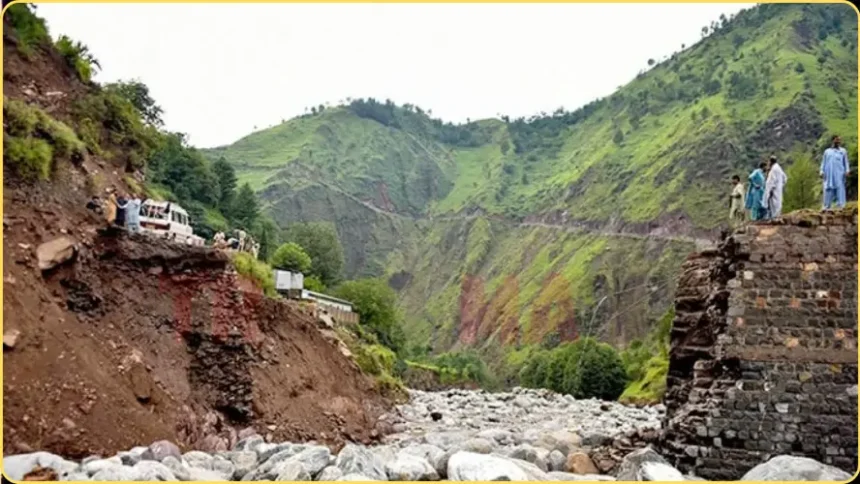
Flash floods Pakistan: Devastating Flash Floods Claim Nearly 200 Lives in Pakistan and Kashmir.
A wave of destruction has swept across Pakistan and Pakistan-administered Kashmir, where flash floods and landslides triggered by heavy monsoon rains have killed at least 194 people in a single day.
The disaster, one of the deadliest in the region this year, has left communities reeling, with homes destroyed, rescue efforts hampered, and more heavy rainfall forecast.
The tragedy underscores the growing impact of extreme weather events in South Asia, where the monsoon season brings both vital water and devastating consequences.
Catastrophe in Khyber Pakhtunkhwa
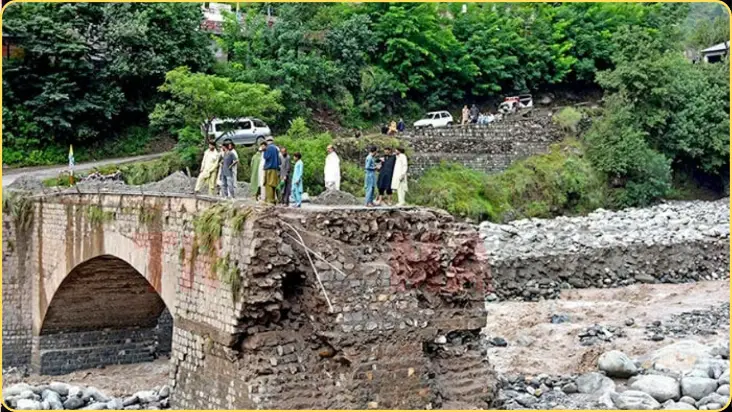
The northwestern province of Khyber Pakhtunkhwa bore the brunt of the disaster, with disaster authorities reporting 180 deaths. The mountainous region, prone to landslides during heavy rains, saw entire communities upended as floodwaters tore through villages.
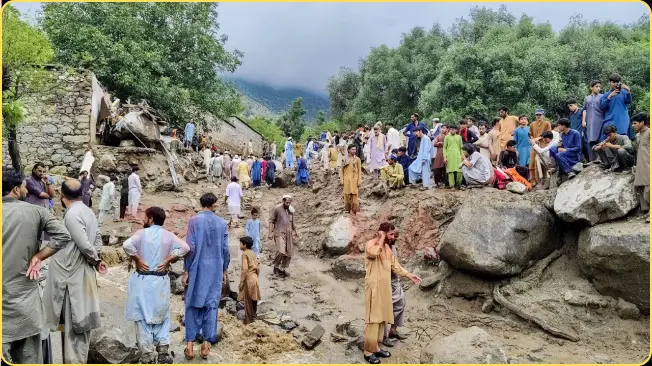
At least 30 homes were destroyed, leaving families without shelter. In a tragic blow to rescue efforts, a helicopter assisting in operations crashed due to severe weather in Bajaur, a district near the Afghan border, killing all five crew members.
The province’s chief minister, Ali Amin Gadapur, confirmed the loss, noting the challenging conditions that complicated rescue missions.
In Buner, a survivor named Azizullah described the terrifying moment the floods struck. “I heard a loud noise, like the mountain was collapsing. I ran outside and saw the whole area shaking—it felt like the end of the world,” he said.
“The ground trembled under the force of the water, and I thought death was near.” His account captures the fear and chaos that engulfed the region as the floods swept away homes and livelihoods.
Losses in Kashmir and Beyond
In Pakistan-administered Kashmir, nine people lost their lives, while five more perished in the northern Gilgit-Baltistan region. The floods have compounded the region’s challenges, with remote areas cut off by damaged roads and infrastructure.
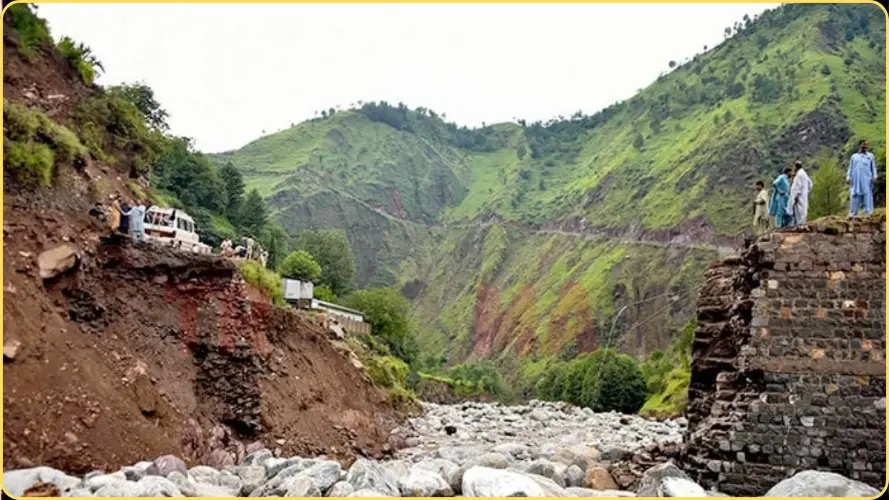
Across the border in Indian-administered Kashmir, a separate but equally devastating flood struck a Himalayan village, claiming at least 60 lives and leaving dozens missing. Rescuers there worked tirelessly to recover bodies from mud and debris, highlighting the widespread impact of this year’s monsoon season.
In Bajaur, images captured a community in mourning. Crowds gathered around an excavator sifting through a muddy hillside, while nearby, funeral prayers were held for victims laid out under blankets. The scenes of grief and destruction reflect the scale of the tragedy, which has left families and communities struggling to cope.
Monsoon Rains and Climate Concerns
The monsoon season, which runs from June to September, delivers about 75% of South Asia’s annual rainfall, sustaining agriculture but also bringing deadly floods and landslides.
This year, the region has faced particularly intense weather, with Punjab reporting 73% more rainfall in July than the previous year. The province, home to nearly half of Pakistan’s 255 million people, has seen more deaths this monsoon than in the entire previous season.
Across Pakistan, over 300 people have died in monsoon-related incidents this year, a stark reminder of the season’s dangers.
Government forecasters have warned that heavy rainfall is expected to continue in northwest Pakistan until August 21, prompting authorities to declare several areas disaster zones. Scientists point to climate change as a key factor, noting that it has made weather events more extreme and frequent.
The combination of heavy rains, fragile infrastructure, and vulnerable landscapes has amplified the destruction, leaving communities at greater risk.
A Region in Crisis
As rescue teams work to reach isolated areas and families mourn their loved ones, the floods serve as a grim reminder of the human toll of extreme weather. With more rain on the horizon, authorities are bracing for further challenges.
The resilience of affected communities will be tested, but the scale of the disaster calls for urgent action to support recovery and address the growing threat of climate-driven catastrophes.