


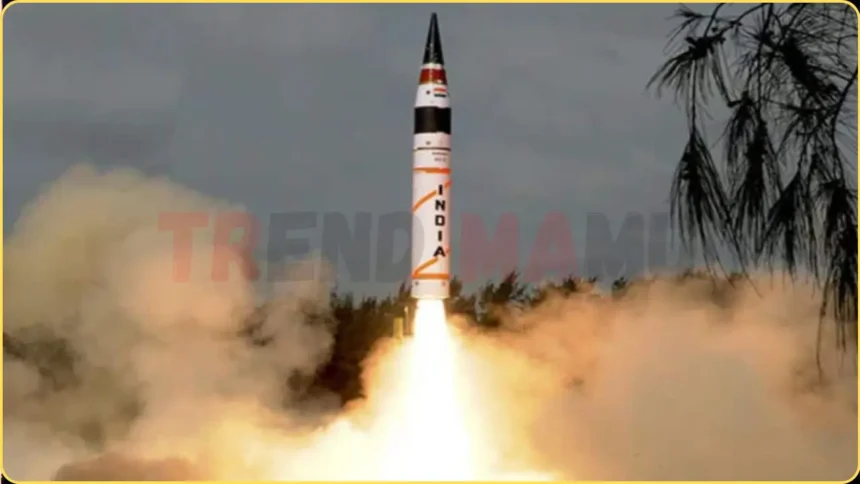
India Game-Changing Missile Test: Nuclear-Capable Agni-5 Targets China and Beyond
India has successfully tested a powerful new missile, the Agni-5, which could carry a nuclear warhead deep into China, marking a major step in its defense strategy. The test, conducted on Wednesday in Odisha, a state on India’s eastern coast, has heightened attention amid tense regional rivalries and global trade pressures.
A Milestone in Missile Technology
The Indian defense ministry announced that the Agni-5, an intermediate-range ballistic missile, performed perfectly during its launch. Officials confirmed that the test met all technical and operational goals, proving the missile’s reliability. Once fully operational, the Agni-5 is expected to have the ability to reach any part of China, a significant boost to India’s military capabilities.
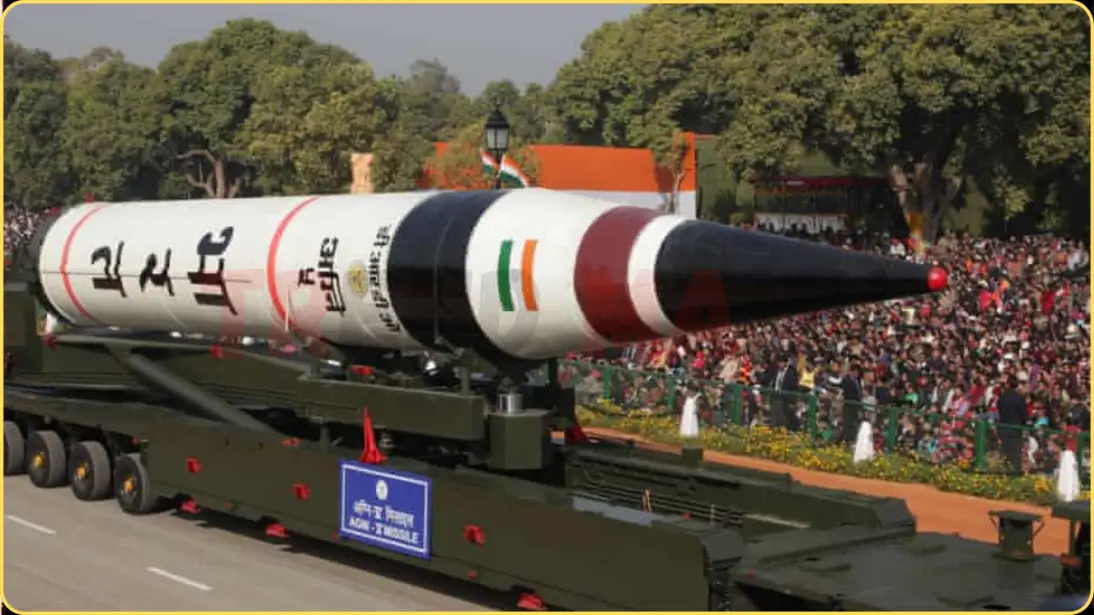
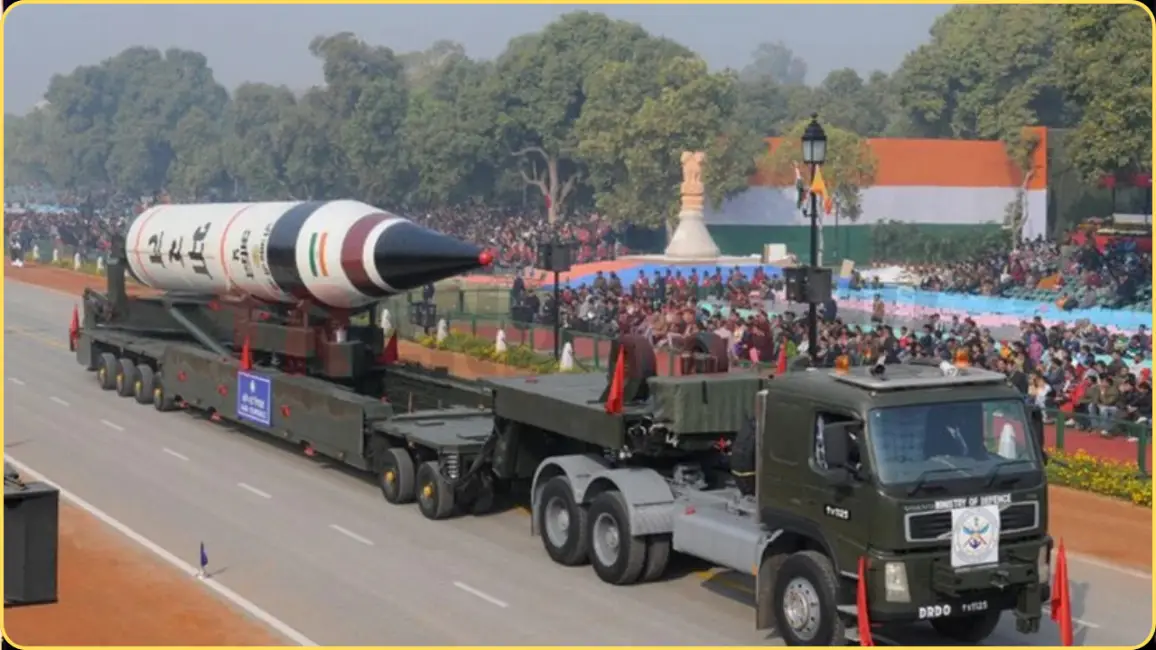
This missile is a key part of India’s homegrown defense program, designed to strengthen its position against both China and Pakistan, its two main regional rivals. The Agni-5’s range and potential to carry nuclear warheads make it a critical tool in India’s strategy to ensure security in a volatile region.
Rising Tensions with China
India and China, the world’s two most populous countries, have long competed for influence across South Asia. Their relationship took a sharp downturn in 2020 after a deadly clash along their shared border in the Himalayan region of Ladakh.
The incident, which killed 20 Indian soldiers and an unknown number of Chinese troops, fueled mistrust and sparked a military buildup on both sides.
Despite these tensions, recent efforts show signs of easing. Last October, Indian Prime Minister Narendra Modi met Chinese President Xi Jinping at a summit in Russia, their first face-to-face talks in five years.
Modi is also expected to visit China later this month for a meeting of the Shanghai Cooperation Organisation, a regional security group that includes both nations. This would mark his first trip to China since 2018, signaling a cautious attempt to rebuild ties amid ongoing global challenges.
Pakistan Rivalry and Regional Security
India’s defense strategy isn’t just focused on China. Its long-standing rivalry with Pakistan, another nuclear-armed neighbor, remains a key concern. Tensions flared in May when militants killed 26 people in Indian-administered Kashmir, a region long disputed by the two countries.
India pointed the finger at Pakistan, accusing it of supporting the attackers, though Pakistan denied any role. The incident brought the two nations close to conflict, underscoring the fragile balance in the region.
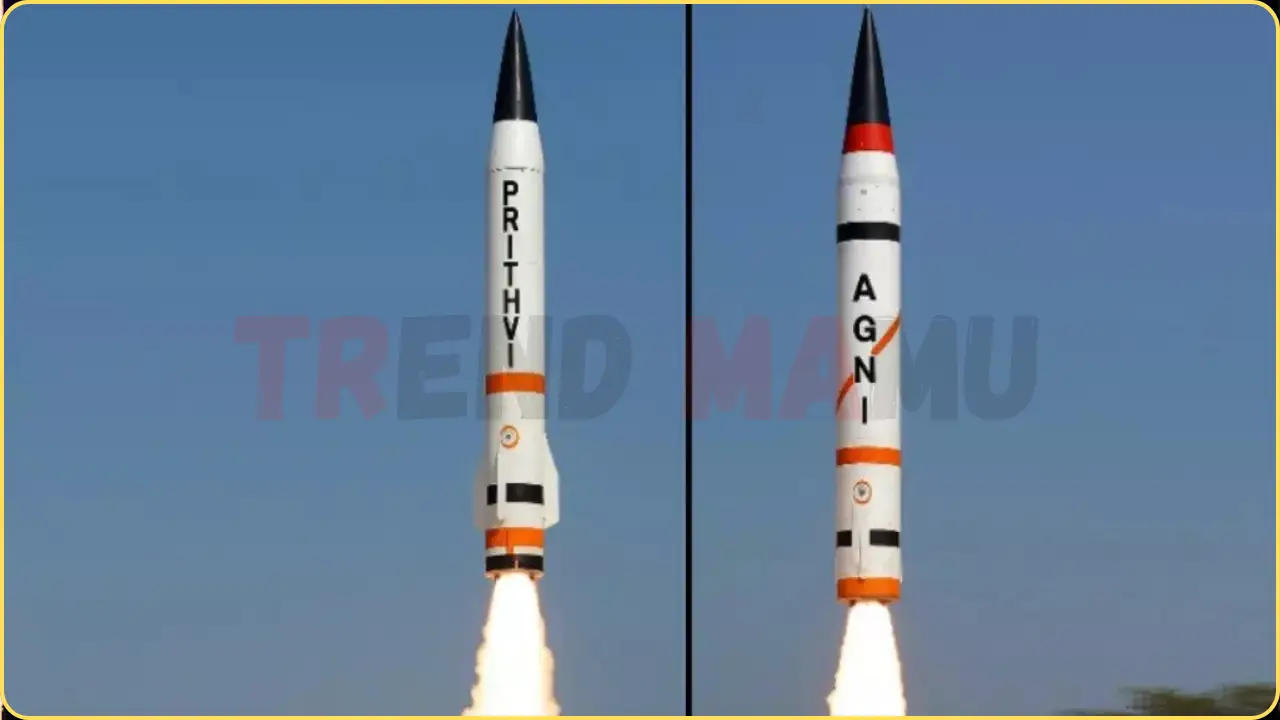
The Agni-5 missile, along with other short- and medium-range missiles developed by India, is designed to counter threats from both Pakistan and China. These weapons aim to give India a strong deterrent, ensuring it can respond to any potential aggression from its neighbors.
Global Alliances and Trade Pressures
India’s missile test comes at a time of shifting global alliances and economic pressures. As a member of the Quad security alliance alongside the United States, Australia, and Japan India is part of a group seen as a counterweight to China’s growing influence in the Indo-Pacific region. The Quad’s focus on security cooperation has raised eyebrows in Beijing, adding another layer to India-China relations.
Meanwhile, India’s ties with the United States are facing challenges. The U.S. has been pushing India to stop buying Russian oil, a major source of funding for Moscow as it continues its war in Ukraine.
President Donald Trump has threatened to double import tariffs on Indian goods from 25% to 50% by August 27 if India doesn’t switch to other oil suppliers. This ultimatum has put New Delhi in a tough spot, balancing its energy needs with its strategic partnership with Washington.
Global trade tensions, sparked by Trump’s tariff policies, have also complicated India’s efforts to navigate its relationships with both the U.S. and China. As New Delhi and Beijing work to repair their ties, the missile test serves as a reminder of India’s focus on strengthening its own defenses, regardless of diplomatic shifts.
Strengthening India’s Defense Posture
The Agni-5 is one of several missiles India has developed to bolster its military strength. Other systems in its arsenal include shorter-range missiles designed to counter immediate threats, particularly from Pakistan.
Together, these weapons form a key part of Prime Minister Modi’s defense strategy, which emphasizes self-reliance and technological advancement.
The successful test of the Agni-5 highlights India’s growing expertise in missile technology. By building and testing its own systems, India is reducing its dependence on foreign suppliers and asserting itself as a major player in global defense.

The missile’s ability to potentially carry a nuclear warhead adds a significant deterrent to India’s arsenal, aimed at ensuring stability in a region fraught with rivalries.
Looking Ahead
The test of the Agni-5 comes at a pivotal moment for India. As it navigates complex relationships with China, Pakistan, and the United States, the country is signaling its determination to protect its interests. The missile’s development is not just a technical achievement but a strategic move to assert India’s strength on the global stage.
While diplomatic efforts to ease tensions with China continue, and trade pressures from the U.S. loom large, India’s focus on its defense capabilities remains unwavering. The Agni-5 test underscores its commitment to staying prepared in an unpredictable world, where regional rivalries and global politics constantly shape the future.
As India moves forward, balancing diplomacy and defense, the world will be watching how this rising power manages its role in a rapidly changing geopolitical landscape.