



Israel’s Bold Move: Netanyahu Plan to Seize Gaza City Sparks Global Concern!. Israel’s security cabinet has approved a controversial plan by Prime Minister Benjamin Netanyahu to take control of Gaza City and eliminate Hamas militants, marking a significant escalation in the ongoing conflict.
Announced on Friday, August 8, 2025, the decision comes after nearly two years of devastating fighting that has claimed tens of thousands of lives and deepened a humanitarian crisis in Gaza. As the world watches, questions swirl about what this move means for the region’s future, the fate of hostages, and the prospects for peace.
A Strategic Push to Defeat Hamas
Netanyahu’s office outlined the plan, stating that the Israeli military will prepare to seize Gaza City while ensuring humanitarian aid reaches civilians in areas outside active combat zones. The goal, according to the statement, is to “defeat Hamas,” the Palestinian militant group that has been at the center of the conflict.
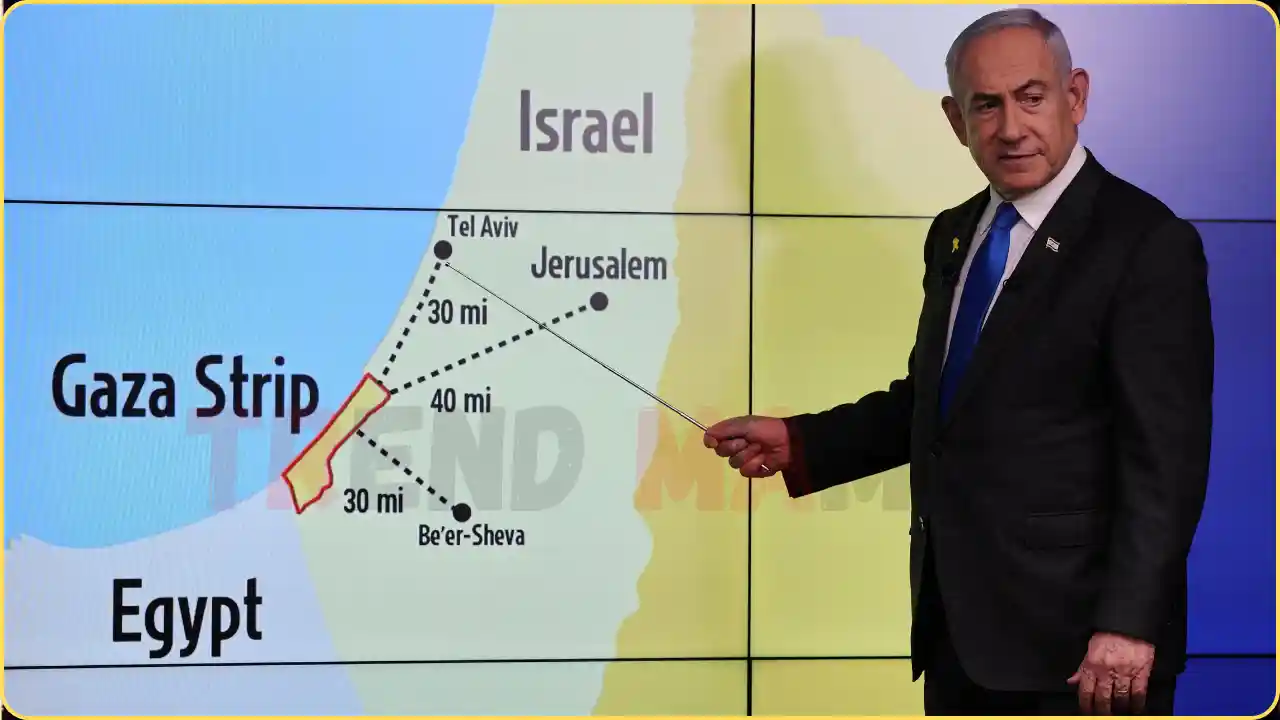
The war, which began in October 2023, has already left a staggering toll, with the Hamas-run health ministry reporting over 61,000 Palestinian deaths. Images of starving families and dire conditions have prompted warnings of famine from the United Nations, raising alarm among global leaders.
The decision follows 22 months of intense fighting, during which Israel has claimed control over roughly 75% of Gaza’s coastal strip. Netanyahu, speaking to Fox News on Thursday, confirmed Israel’s intent to take full control, stating, “We intend to.”
However, he emphasized that Israel does not plan to permanently occupy the territory. Instead, the goal is to establish a “security perimeter” and transfer governance to unspecified Arab forces, though details on how this would work remain unclear.
What’s Next for Gaza?
Israel is reportedly considering a phased takeover of areas in Gaza not yet under its control, according to an anonymous government source. This could involve issuing evacuation warnings to Palestinians in targeted zones, potentially giving them weeks to leave before military operations begin.
Such a strategy aims to minimize civilian casualties but raises concerns about displacement in an already densely populated region. Gaza City, a key urban center, is home to many of the 50 hostages still held by Hamas, of whom Israeli officials believe 20 are alive. The operation’s impact on their safety remains a critical issue.

The plan has drawn sharp criticism from Hamas, which labeled it a “new war crime” and warned that it would “cost Israel dearly.” The group also suggested that escalating military actions could jeopardize the hostages’ lives, adding further tension to an already volatile situation.
The international community, including several of Israel’s Western allies, has increasingly called for Palestinian statehood in response to the humanitarian crisis, putting pressure on Israel to seek a path toward peace.
A History of Conflict
Israel’s relationship with Gaza is complex, marked by decades of tension. Israel occupied Gaza from 1967 until 2005, when it withdrew its troops and settlers. Since then, Hamas has controlled the territory, leading to repeated clashes with Israel.
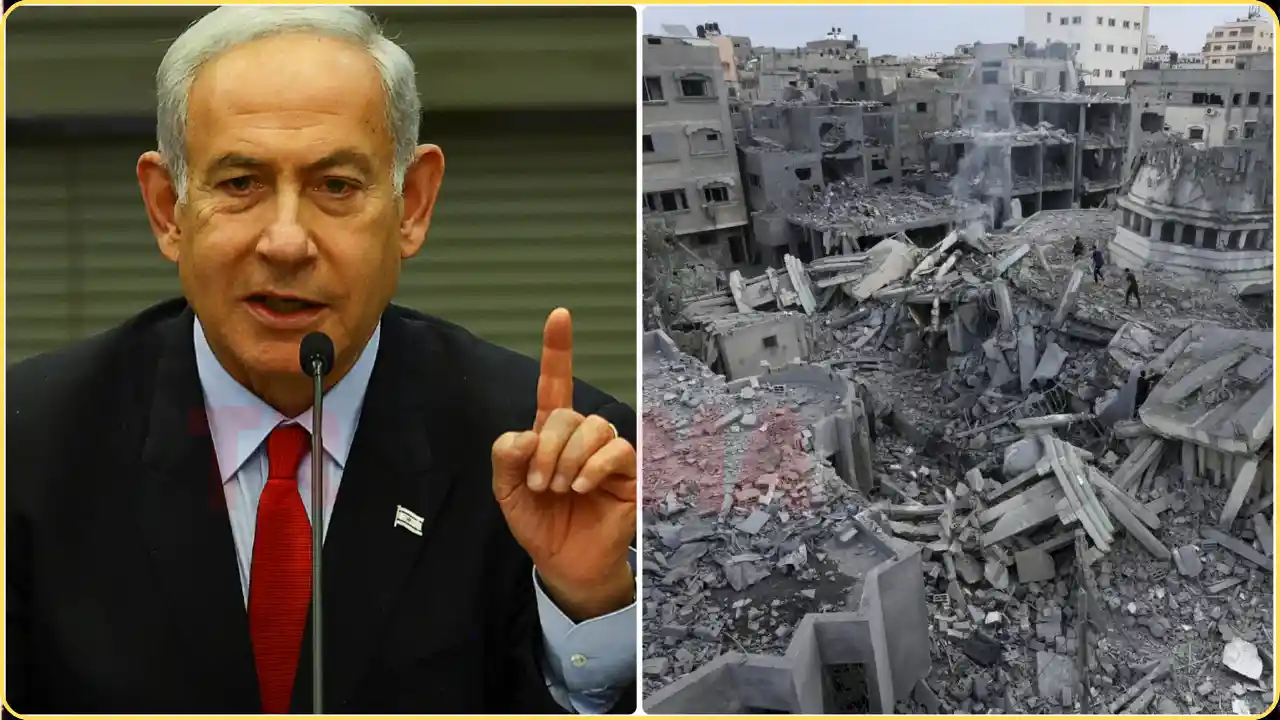
The current war, sparked in 2023, has been one of the deadliest, with widespread destruction and loss of life. The flood of images showing suffering in Gaza has intensified global scrutiny, with growing demands for a resolution that addresses both security and humanitarian needs.
Global Reactions and Uncertain Future
The approval of Netanyahu’s plan has reignited debates about the path forward in the Israeli-Palestinian conflict. While Israel aims to dismantle Hamas’s military capabilities, the operation risks further destabilizing the region and exacerbating the humanitarian crisis.
The lack of clarity on governance after the takeover raises questions about long-term stability. As evacuation warnings loom and military preparations intensify, the world is watching closely, hoping for a resolution that prioritizes peace and protects civilian lives.