


Nepal PM Resignation After Deadly Protests: Quits Amid Fiery Protests Over Social Media Ban That Killed 19!
KP Sharma Oli steps down as deadly clashes erupt, parliament burns, and youth demand change.
Nepal’s prime minister has stepped down following one of the most intense periods of turmoil the country has seen in years. The unrest began with a government ban on social media platforms and quickly grew into widespread anger over political corruption and favoritism.
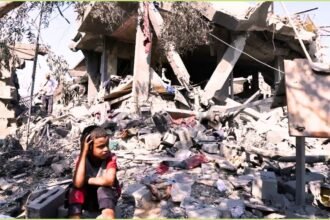
KP Sharma Oli announced his resignation just one day after police used harsh measures against demonstrators. This led to 19 deaths and many injuries across the nation. What started as frustration over the app restrictions turned into a major uprising against the ruling class.
The government’s move to block 26 popular social media services ignited the initial fury. Protesters soon voiced deeper grievances about how leaders were mishandling power and resources. This shift highlighted long-simmering issues in Nepal’s society.
Even after officials lifted the ban on apps like Facebook, WhatsApp, YouTube, and X late on Monday, the demonstrations did not stop. Young people, often referred to as the “Gen Z” generation, kept pushing forward with their calls for reform.
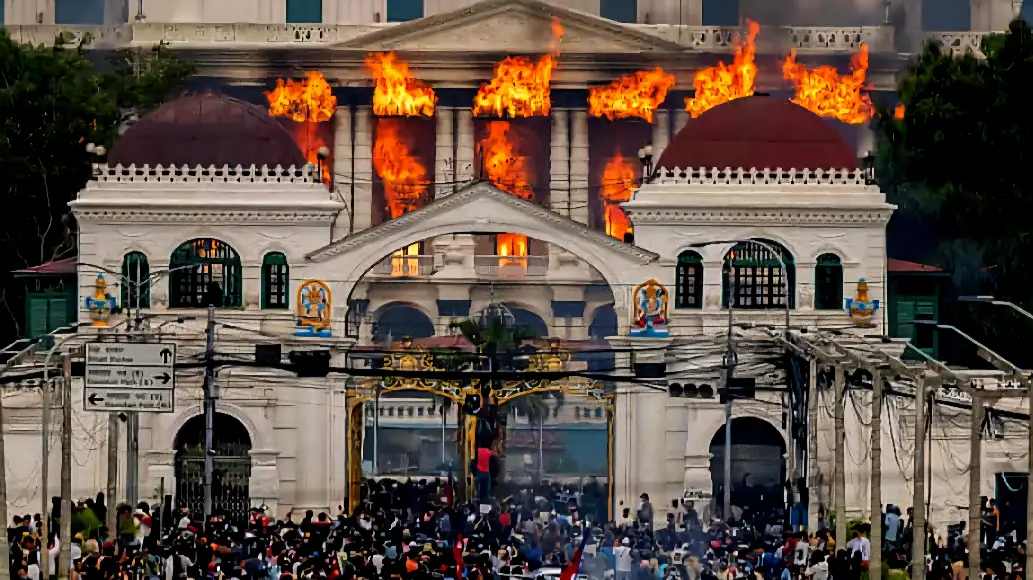
Despite orders for curfews, crowds gathered in various cities on Tuesday. In Kathmandu, thousands rushed toward the federal parliament and set the building ablaze. Smoke filled the air as fires spread through the capital’s streets.
Riot police faced a barrage of stones from the angry mobs. The chaos forced political figures to flee to secure spots. To manage the situation, authorities shut down Kathmandu’s main airport.
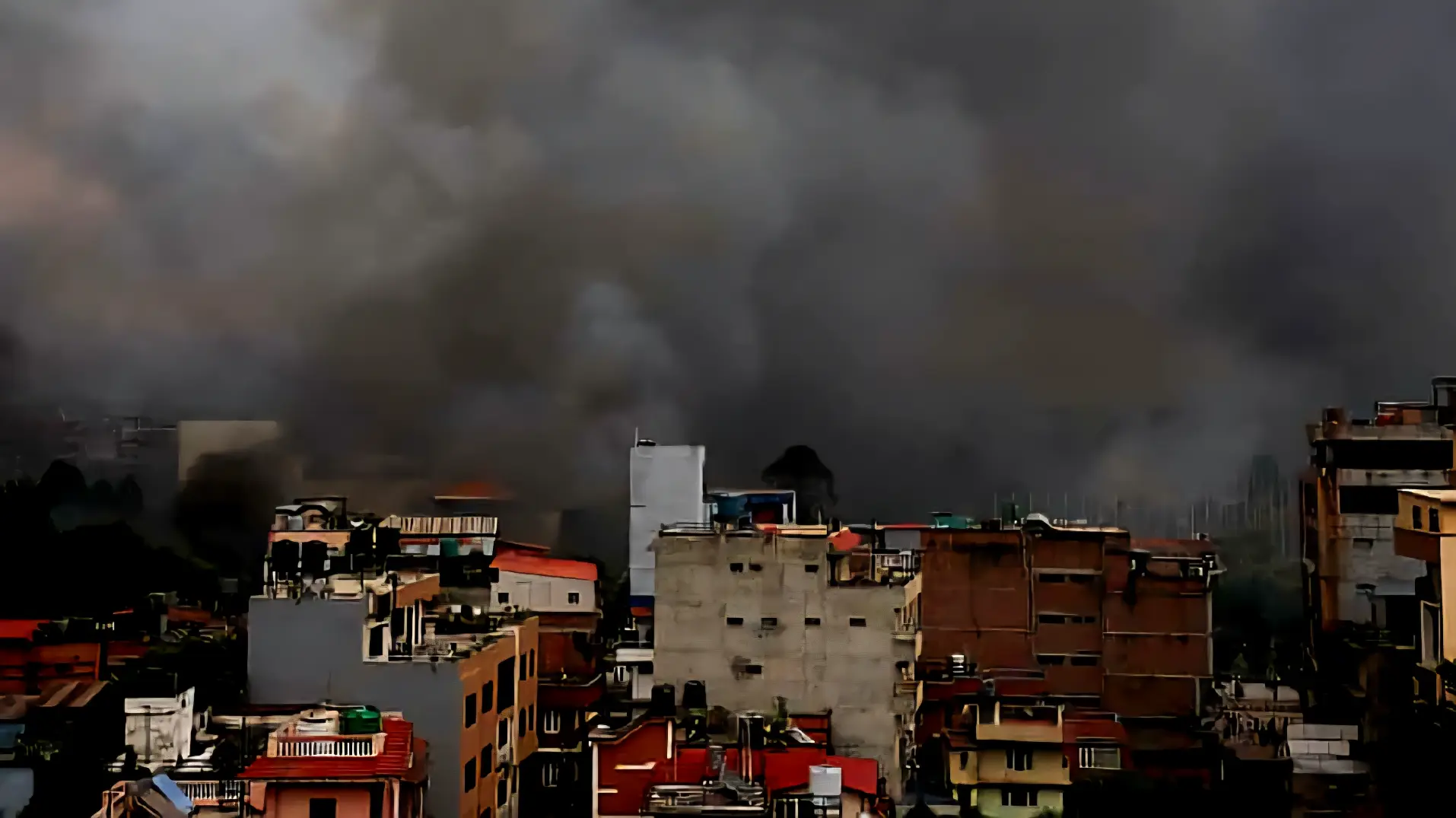
As demands for Oli’s exit grew louder, his residence was targeted and set on fire. Similar attacks hit the homes of the president and key ministers. Protesters, mostly from the younger crowd, took over Singha Durbar, the heart of Nepal’s administration.
By the afternoon of Tuesday, Oli formally handed in his resignation to the president. Crowds outside the parliament cheered at the news. This came right after the home minister had already quit on Monday evening, citing the tragic loss of lives during the clashes.
In the wake of these events, Nepal’s president, Ram Chandra Paudel, reached out to leaders from the Gen Z protests for discussions. This move signals a possible shift toward including youth voices in the political process.
Rohan Ansari, a 20-year-old protester, shared a heartbreaking story. He witnessed police shoot his friend during Monday’s street demonstrations in Kathmandu. Standing near the smoking parliament, he declared, “But today, the Gen Z movement has succeeded.”
Ansari added that his friend’s spirit could now find peace. He emphasized that the youth would take the lead moving forward. Plans to uncover the corruption files of officials were already in motion.
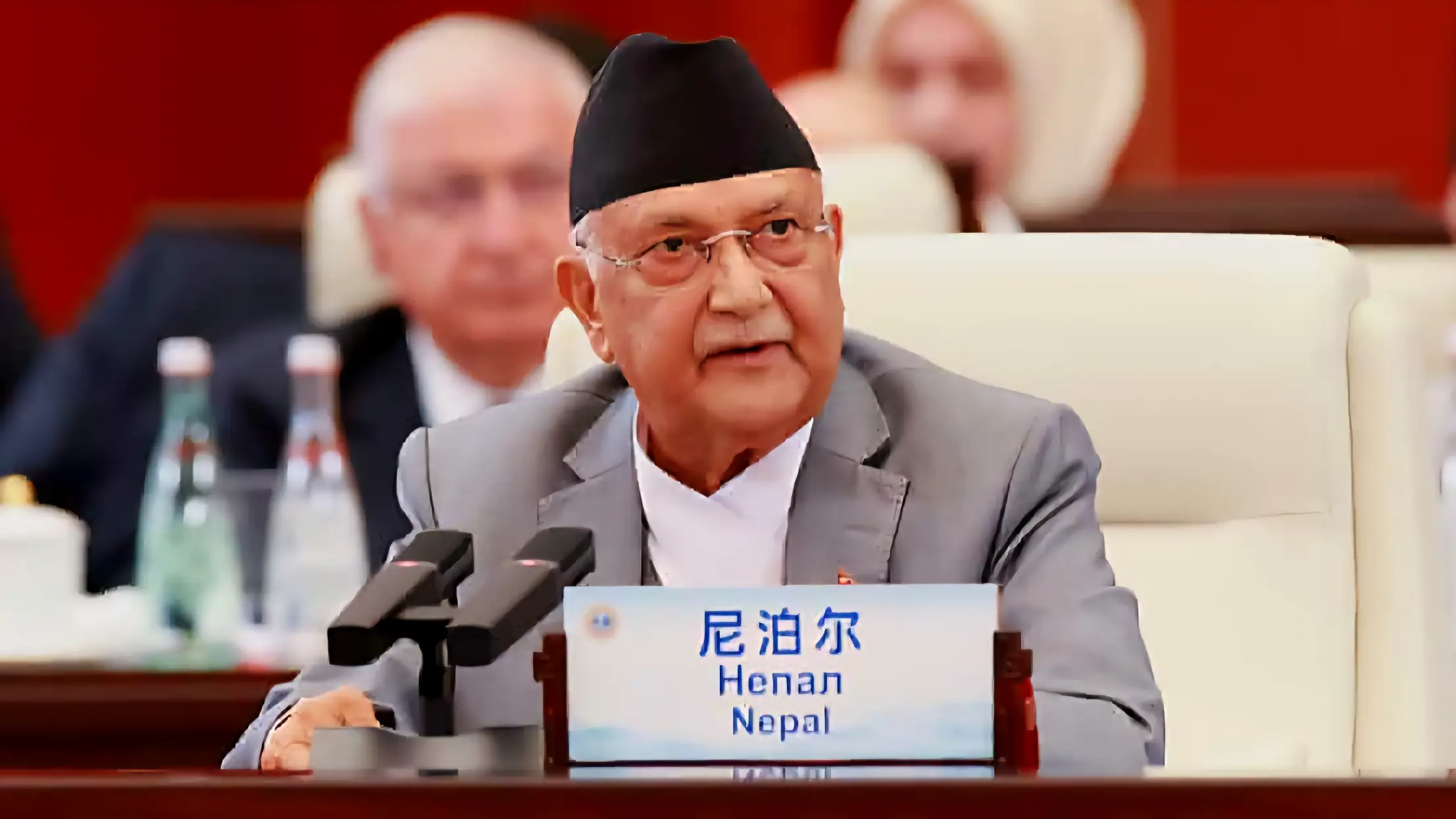
At 73 years old, Oli is a seasoned figure in Nepal’s political scene. He started his fourth term last year by teaming up his Communist party with the center-left Nepali Congress in a coalition. In his resignation note, he explained it was to pave the way for a political fix to the crisis.
Roots of Youth Frustration
Nepal has struggled with shaky politics, graft, and sluggish growth for some time. This has hit the younger population hard, pushing many to seek jobs overseas. Daily life feels tougher as opportunities at home dwindle.
Recent scandals involving top politicians have made headlines. Social media has buzzed with photos showing the extravagant lifestyles of leaders’ children. This stark contrast fuels bitterness among everyday Nepalis dealing with joblessness and financial strain.
Naresh Rawal, aged 27, explained why the streets filled with people. He said corruption had reached extremes, with officials hoarding luxury cars, guns, and vast sums of money. “They don’t drink regular water, they have cartons of imported water,” he noted.
Rawal questioned the sources of such wealth and the funds for their kids’ frequent high-end travels. He viewed the protests as essential to spark real change. Now, he believes the nation can head toward meaningful improvements.
Tanuja Pandey, 24, joined calls for legal action against Oli and his team. She described the 19 deaths not as accidents but as murders. “The government’s hands are stained with blood,” she stated firmly.
Pandey insisted that officials could no longer dodge responsibility. The scale of the violence demanded full accountability from those in power.
On Monday, the government set up a panel to probe the clashes. They promised payouts to families of the deceased and free medical care for the wounded. These steps aim to address the immediate human cost of the unrest.
Rights groups reported that police fired live rounds at crowds on Monday. Global bodies called for a quick and open investigation into the events. Such responses underscore international concern over the handling of the protests.
The Social Media Ban That Lit the Fuse
The restrictions on social media stemmed from a tight deadline. Officials gave companies seven days to sign up and follow fresh rules. Only a few met the cutoff, leading to blocks on platforms from Meta, Alphabet, Tencent, Snapchat, Pinterest, and X by Thursday night.
This action sparked immediate backlash, especially from Nepal’s young users. Many viewed it as a way to silence their critiques of the leadership. The ban closed off a key channel for voicing concerns.
Raksha Bam, 26, captured the sentiment well. She said deep-rooted corruption needed to stop at all levels. Yet, instead of tackling that, authorities restricted the open spaces where the new generation could speak out.
Bam explained that this pushed Gen Z to unite in protest. The streets became the new forum for demanding transparency and fairness.
Protesters like Khem Neupane, 31, vowed the momentum would continue. He stressed that their drive and bravery must not fade. The movement, he said, would expand beyond the current events to shape Nepal’s future.
As Nepal navigates this turning point, the youth’s role in politics seems set to grow. The resignation of Oli marks a victory for the streets, but challenges like economic woes and graft remain. Observers watch closely to see how talks with protesters unfold and whether lasting reforms follow.