



Panama Bold Move to Seize Control of Strategic Ports in US-China Tensions
Panama has escalated its efforts to regain control over two critical ports at the heart of a geopolitical tug-of-war between the United States and China. On Wednesday, the country’s comptroller general, Anel Flores, filed two lawsuits in Panama’s Supreme Court targeting Panama Ports Company (PPC), a subsidiary of Hong Kong-based CK Hutchison.
The legal action, which challenges the company’s contract as “unfair” and “abusive,” marks a significant development in the struggle over influence in the Panama Canal, a vital global trade artery. This move is likely to be viewed as a win for US interests, particularly for President Donald Trump, who has vowed to curb Chinese influence in the region.
A Geopolitical Flashpoint
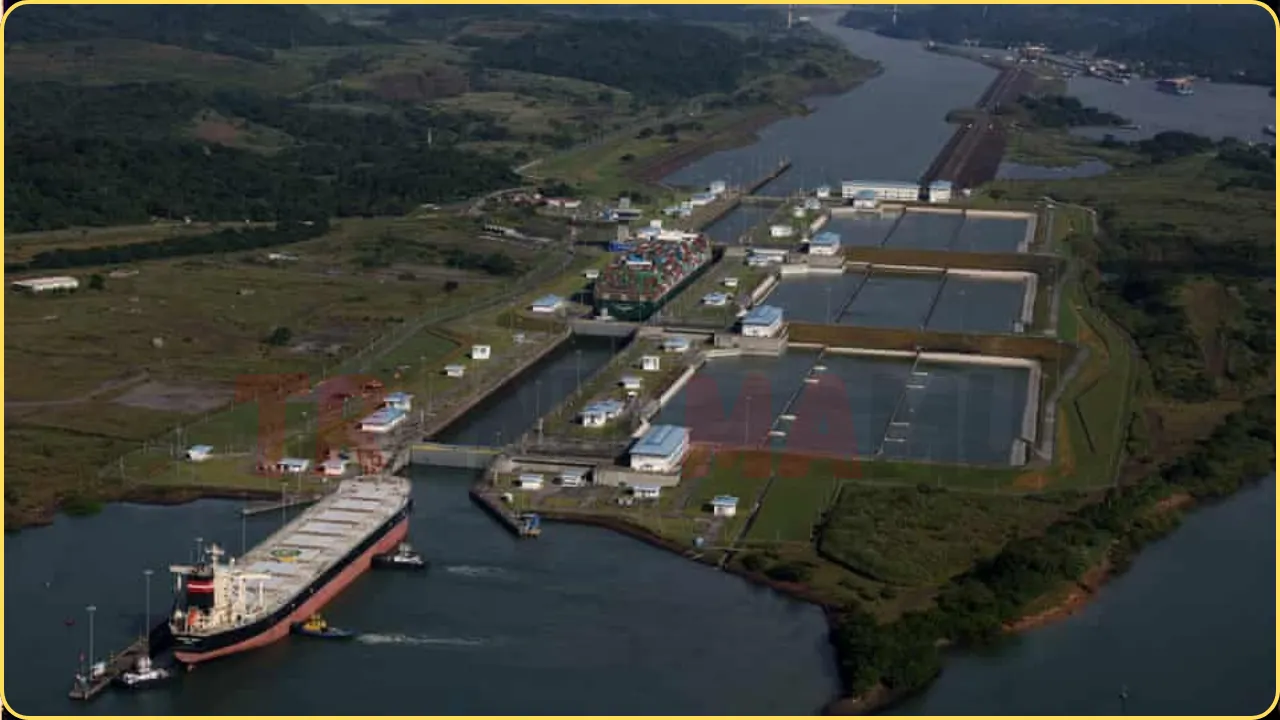
The two ports, located at either end of the Panama Canal, have been operated by PPC since 1997, when CK Hutchison secured the concession. The company holds a 90% stake in PPC, making it a key player in the canal’s operations. The ports gained international attention on January 20, 2025, when Trump, in his inauguration speech, pledged to “take back” the Panama Canal from what he described as Chinese influence. On the same day, Flores announced an audit of PPC, signaling Panama’s intent to scrutinize the company’s operations.

The situation intensified in March when BlackRock, the world’s largest asset manager, and Swiss shipping giant MSC announced plans to acquire PPC and 41 other ports in CK Hutchison’s global portfolio. The deal, with a deadline of July 27, 2025, aimed to shift control of these strategic assets to a US-led consortium.
However, the proposal sparked objections from Beijing, which viewed the sale as a threat to its regional influence. China’s anti-trust regulator intervened, stating it would review the deal to “protect fair competition” and “safeguard public interest.” Reports also surfaced that China sought to include Cosco, a state-owned shipping giant, as a veto-holding member of the consortium, a move that raised concerns in Panama.
Legal Challenges and National Interests
Flores’s lawsuits accuse PPC of failing to pay adequate royalties to the Panamanian government and operating under a 25-year contract extension signed in 2023 without proper authorization. One lawsuit seeks to nullify the contract entirely, while the other aims to declare it unconstitutional. Speaking to the media, Flores emphasized Panama’s sovereignty, stating, “It doesn’t seem correct that in other parts of the world, there are people negotiating the future of assets that belong to us, the Panamanians.”
Panama’s President José Raúl Mulino has publicly backed Flores’s actions, though he insisted the lawsuits are unrelated to the broader US-China rivalry over the ports. The timing, however, suggests otherwise. With Panama’s exit from China’s Belt and Road Initiative in April 2025, the country appears to be aligning more closely with US interests. A successful court ruling could force a re-tendering of the port contracts, potentially opening the door for a US or allied firm to take control.
Opportunities and Risks
Nullifying PPC’s contract could allow Panama to renegotiate terms that better serve national interests, such as higher royalties or stricter oversight. However, the move is not without risks. CK Hutchison could pursue legal action, claiming the lawsuits amount to politically motivated expropriation. Such litigation could strain Panama’s economy and international relations.
For now, the lawsuits underscore Panama’s determination to assert control over its strategic assets amid global power struggles. As the Supreme Court deliberates, the outcome will likely have far-reaching implications for the Panama Canal’s role in international trade and the balance of influence in the region.