


Tesla $243 Million Nightmare: Jury Slams Company for Tesla Deadly Autopilot Crash!. A Florida jury has delivered a stunning verdict against Tesla, holding the electric car giant partly responsible for a fatal 2019 crash involving its Autopilot system.
On August 1, 2025, the jury ordered Tesla to pay $243 million in damages to Dillon Angulo and the family of Naibel Benavides Leon, who died in the accident. The decision, which Tesla plans to appeal, has reignited debates about the safety and marketing of its automated driving technology. Here’s a closer look at the case and its implications.
A Tragic Collision in Florida
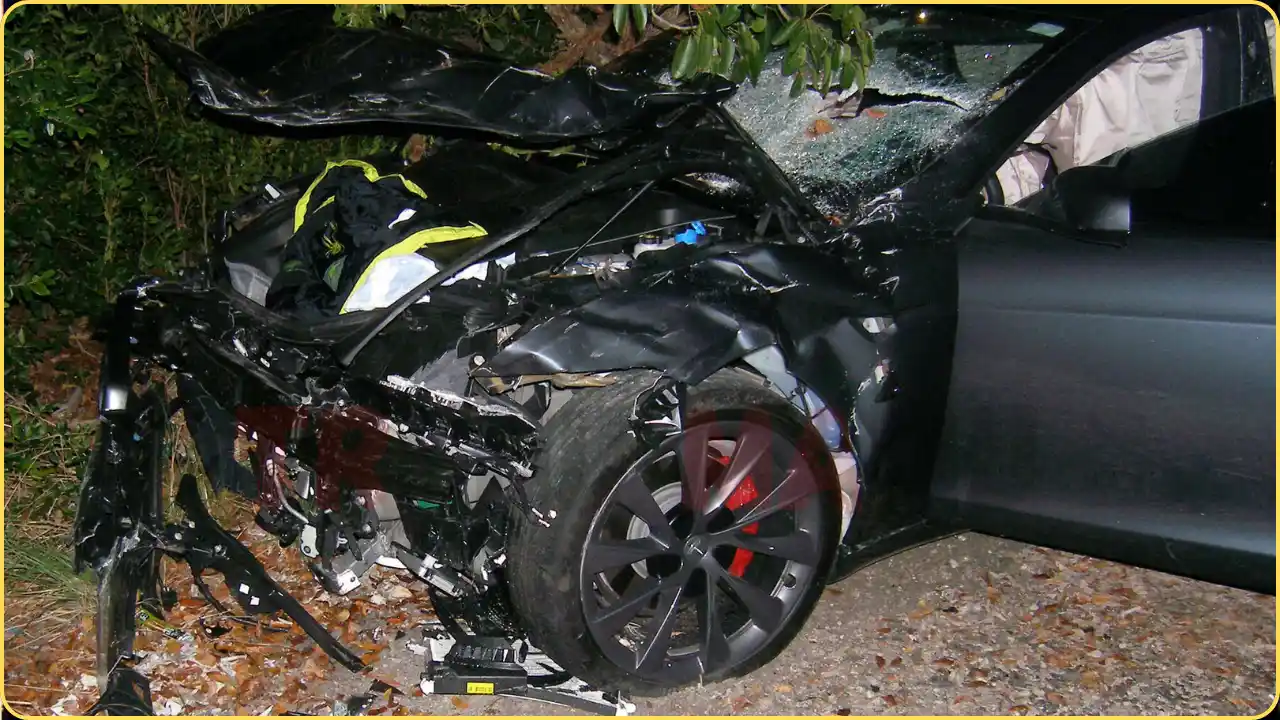
The incident occurred on April 25, 2019, near Key Largo, Florida, when George McGee, driving a 2019 Tesla Model S, relied on the vehicle’s Autopilot system. According to the lawsuit, the car was equipped with automated driving features designed to navigate without driver input.
As McGee approached an intersection on County Road 905, he dropped his phone and bent down to retrieve it. At that moment, the Tesla struck Dillon Angulo and Naibel Benavides Leon, who were standing near a parked Chevrolet Tahoe. Leon, thrown 75 feet, died from her injuries, while Angulo suffered severe injuries.
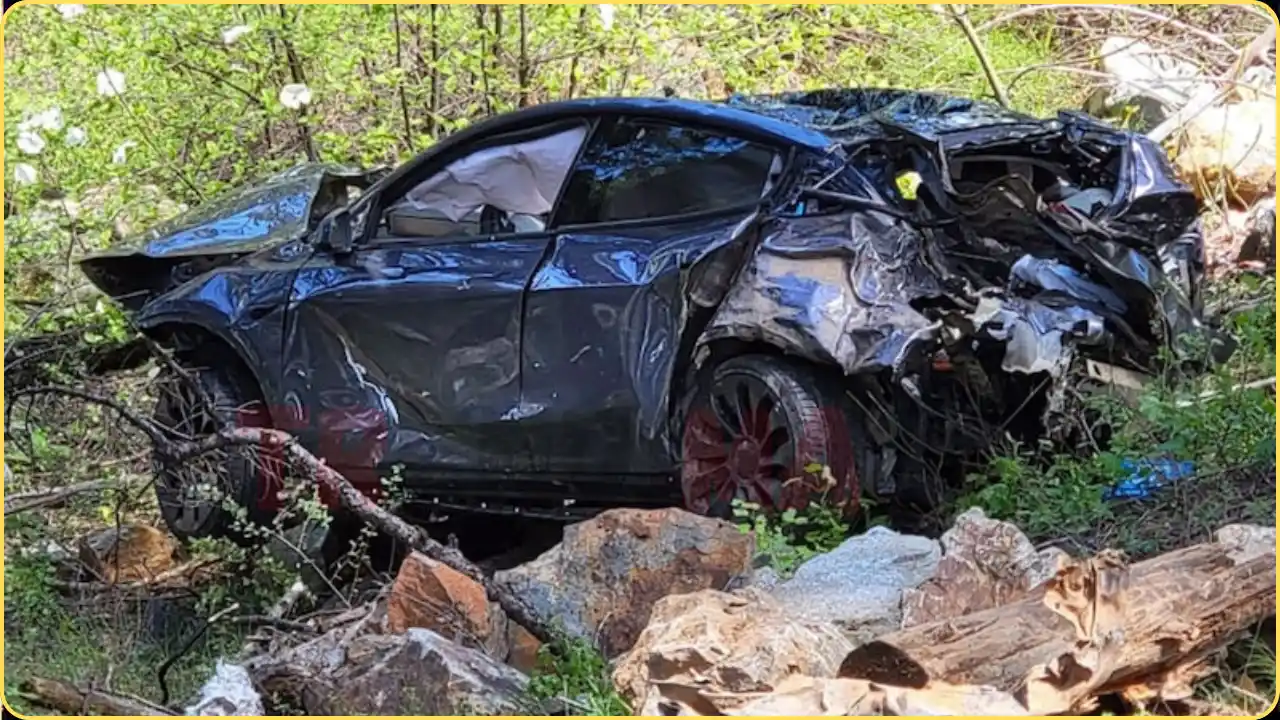
The lawsuit alleged that Tesla’s Autopilot, still in Beta mode, failed to detect the parked vehicle and was unsuitable for roads with cross-traffic or intersections. It further claimed that Tesla had known about prior fatal crashes linked to Autopilot misuse but continued to market it as a highly capable system, exaggerating its abilities while downplaying its limitations.
The Jury’s Verdict
After a trial that began in July 2025, the jury found Tesla 33% liable for the crash, attributing the majority of the blame to McGee, who settled with Leon’s family for an undisclosed amount. The $243 million award includes both punitive and compensatory damages, reflecting the jury’s view that Tesla’s actions contributed to the tragedy.
The verdict, reported on August 1, underscores concerns about the company’s responsibility to ensure its technology is safe and clearly communicated to drivers.
Tesla disputed the ruling, arguing that McGee was solely at fault. “The evidence has always shown that this driver was speeding, with his foot on the accelerator which overrode Autopilot as he rummaged for his dropped phone without his eyes on the road,” the company stated, announcing its intent to appeal. The case has drawn attention as Tesla, led by CEO Elon Musk, prepares to launch a driverless taxi service, with a trial program already underway in Austin, Texas, since June.
A Clash Over Tesla’s Claims
Brett Schreiber, the attorney for Angulo and Leon’s family, emphasized that the case hinged on Tesla’s misleading marketing. “Tesla in the showroom overhypes and markets their vehicles as full self-driving, safer than a human,” Schreiber said, noting that Musk had claimed all Teslas were capable of full autonomy years before the crash.
Yet, in court, Tesla described Autopilot as a “limited driver assistance feature” requiring constant supervision. Schreiber argued, “This unanimous jury saw through Tesla’s attempt to make words meaningless and sent a very strong message: when you elevate profits and greed over life and safety, you will be held accountable.”
Implications for Tesla’s Future
The verdict comes at a critical time for Tesla, as it expands its autonomous driving ambitions. The $243 million penalty highlights the risks of promoting cutting-edge technology without clear safety protocols.
Critics argue that Tesla’s marketing has created unrealistic expectations, potentially endangering lives. As the company appeals the decision, the case could influence future regulations and public trust in self-driving cars, raising questions about accountability in the race for innovation.