

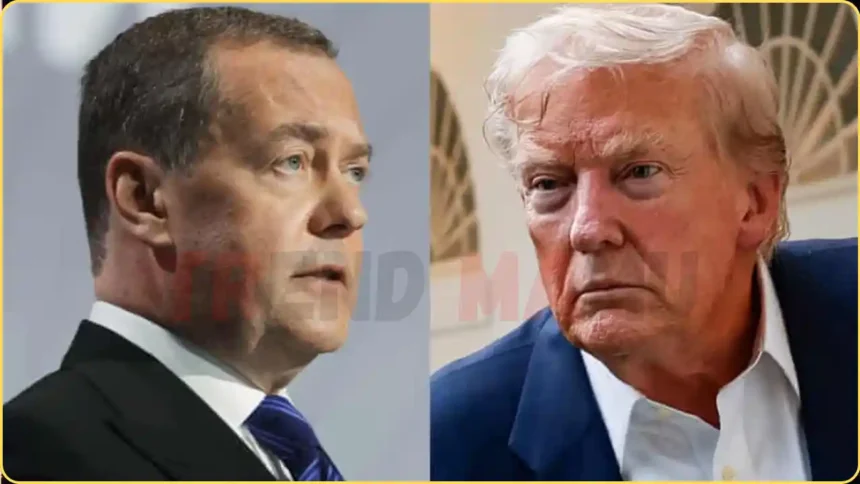
Trump Nuclear Submarine Move Sparks Fears of Escalation Over Russia’s Ukraine Threats
In a dramatic escalation of tensions over the Russia-Ukraine war, US President Donald Trump has ordered the redeployment of two nuclear-capable submarines to undisclosed regions, citing a provocative social media post by former Russian President Dmitry Medvedev.
The move, announced on Friday, August 1, 2025, has raised global concerns about the potential for nuclear conflict as Trump pressures Russia to end its invasion of Ukraine. Here’s a detailed look at the unfolding crisis and its implications.
A Response to Medvedev’s Menacing Words
The decision to reposition the submarines came after Medvedev, now deputy chairman of Russia’s Security Council, posted a threatening message on X, criticizing Trump’s aggressive stance toward Russia. Medvedev reacted to Trump’s decision to shorten a deadline for Russia to reach a ceasefire with Ukraine from 50 days to just 10, warning that such ultimatums were “a threat and a step towards war” not only with Ukraine but with the United States itself. “Trump’s playing the ultimatum game with Russia: 50 days or 10,” Medvedev wrote, adding, “Don’t go down the Sleepy Joe road!” in a jab at former President Joe Biden.
Trump, in a post on Truth Social, called Medvedev’s remarks “highly provocative” and “foolish,” stating, “I have ordered two Nuclear Submarines to be positioned in the appropriate regions, just in case these foolish and inflammatory statements are more than just that.
Words are very important, and can often lead to unintended consequences, I hope this will not be one of those instances.” He did not clarify whether the submarines were nuclear-powered or nuclear-armed, a distinction that has fueled speculation about the seriousness of the US response.
Rising Frustration Over Ukraine
Trump’s submarine deployment reflects his growing frustration with Russian President Vladimir Putin, whom he accuses of stalling on ceasefire negotiations. Trump campaigned on a promise to end the Russia-Ukraine war within 24 hours, but progress has been elusive.
On Thursday, he condemned Russia’s attacks on Ukrainian civilians as “disgusting,” recounting a conversation with the first lady: “I tell the first lady, ‘You know, I spoke to Vladimir today. We had a wonderful conversation.’ She said, ‘Oh, really? Another city was just hit.’”
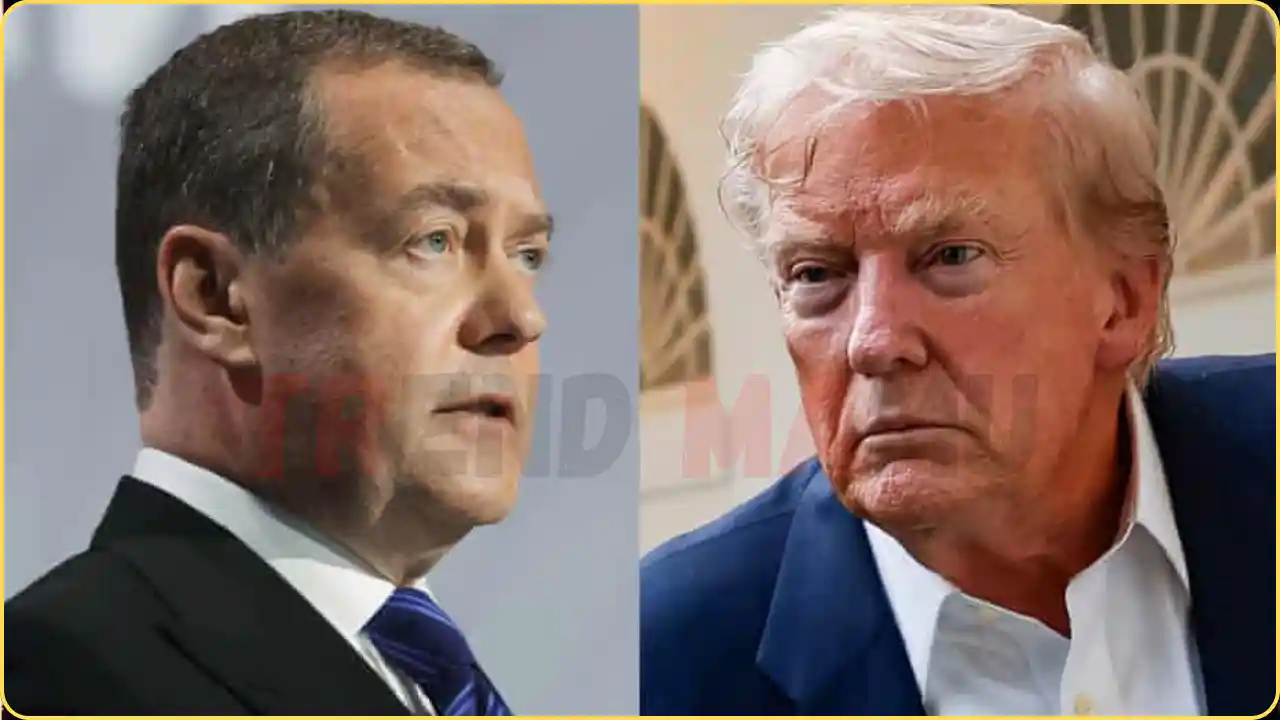
Trump’s latest ultimatum demands that Russia agree to a ceasefire by August 8, 2025, or face severe economic sanctions, including tariffs on Moscow’s trade partners. Medvedev’s taunts, including references to Russia’s Cold War-era “Dead Hand” nuclear retaliation system, have only heightened tensions. The former Russian leader, known for his inflammatory rhetoric since Russia’s 2022 invasion of Ukraine, has become a vocal critic of Western leaders, often using social media to issue veiled threats.
Putin’s Defiant Stance
Russian President Vladimir Putin has remained unmoved by Trump’s threats. On Friday, he reiterated his desire for a “lasting and stable peace” in Ukraine but insisted it must meet Russia’s terms, which include territorial concessions unacceptable to Kyiv.
Speaking to journalists, Putin dismissed external pressures, saying, “All disappointments arise from inflated expectations.” Recent talks between Russia and Ukraine in Istanbul collapsed within an hour, with no progress beyond prisoner exchanges, signaling a deepening stalemate.
Putin’s refusal to engage with Trump’s deadline has raised fears that Russia may intensify its military operations, which have already killed thousands and displaced millions since the war began in February 2022. The ongoing bombardment of Ukrainian cities, including Kyiv, has further strained diplomatic efforts.
Global Concerns Over Nuclear Rhetoric
Trump’s public mention of nuclear submarines is highly unusual, as the US typically keeps such military movements classified. Analysts suggest the announcement is a calculated show of strength aimed at pressuring Russia while signaling resolve to allies.
However, it has also sparked alarm about the risks of miscalculation. Both the US and Russia possess the world’s largest nuclear arsenals, and any escalation could have catastrophic consequences.
Medvedev’s role as a Kremlin hardliner adds complexity. While he lacks the authority to launch nuclear weapons, his provocative statements are seen by some as reflecting the Kremlin’s broader mindset. His reference to the “Dead Hand” system, though unconfirmed by Russia, underscores the lingering specter of Cold War-era nuclear strategies.
What’s Next?
As the August 8 deadline looms, Trump has dispatched special envoy Steve Witkoff to Russia to push for a ceasefire, though details of the mission remain vague. The US has also pledged additional military support to Ukraine through NATO allies, a shift from Trump’s earlier skepticism about aiding Kyiv. Meanwhile, international observers warn that the war of words between Trump and Medvedev could spiral into a broader confrontation if diplomacy fails.
The submarine redeployment marks a critical moment in US-Russia relations, with the world watching closely to see whether Trump’s gamble will force Russia to the negotiating table or push the Ukraine conflict closer to a dangerous new phase.