


Trump and Putin to Discuss Shocking Land Swapping Plan at Alaska Summit Amid Zelenskyy Tensions
US President Donald Trump has confirmed he will meet Russian President Vladimir Putin on Friday in Alaska for a critical summit on the Ukraine war, where “land swapping” will be a key topic.
However, Trump expressed frustration with Ukrainian President Volodymyr Zelenskyy’s demand for a national referendum on any peace deal involving territorial concessions to Russia. The announcement has sparked concern among European leaders, who fear Trump’s approach could lead to risky compromises.
Trump’s Frustration with Zelenskyy
During a White House news conference on Monday, Trump voiced irritation with Zelenskyy’s insistence on constitutional approval for any agreement recognizing Russian control over occupied Ukrainian territories. “I was a little bothered by the fact that Zelenskyy was saying I have to get constitutional approval,” Trump said. “He has approval to go to war and kill everybody, but he needs approval to do a land swap.” He hinted that “land swapping” would be part of the discussions, based on his conversations with Russian officials and others involved.
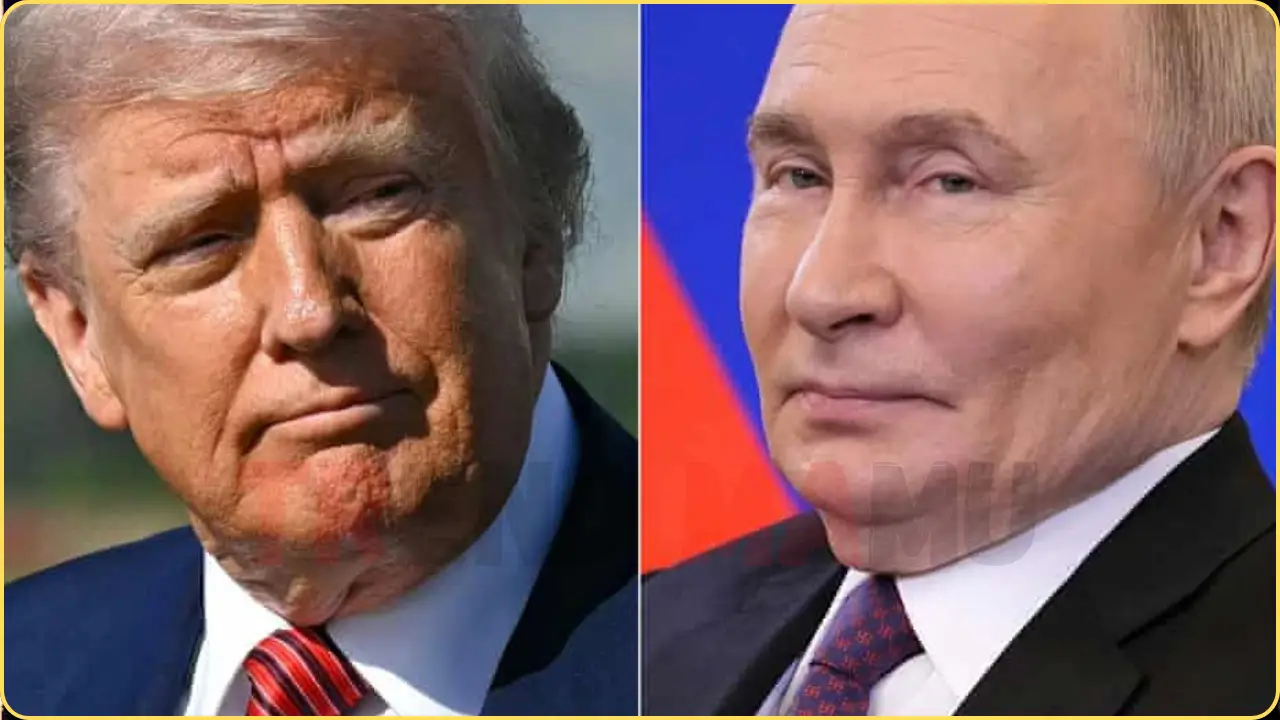
Trump described his vision for a peace deal as including “good stuff” and “some bad stuff for both sides,” with plans to “change the battle lines.” His comments come amid growing impatience with Putin, whom he has not met in person since Russia’s invasion of Ukraine began. Trump emphasized his desire to broker direct talks between Putin and Zelenskyy, though Putin has so far rejected this idea.
European Concerns and Calls for Clarity
European diplomats have expressed alarm over the lack of clarity from the US about Russia’s demands and the terms of a potential ceasefire. The ambiguity in US reports has fueled fears that Trump, banking on his personal rapport with Putin, might make concessions that harm Ukraine’s interests.
European leaders, viewing Russia as a major threat to the continent, are pushing for inclusion in the process. They argue that decisions on ceasefire terms, territorial swaps, and security guarantees for Ukraine must involve Kyiv and the EU.
German Chancellor Friedrich Merz invited Trump to join emergency virtual talks with EU leaders and Zelenskyy on Wednesday to establish “red lines” before the Alaska summit. Neither Zelenskyy nor European leaders have been invited to the Trump-Putin meeting, raising concerns about exclusion. Merz’s office stated that the virtual talks would focus on increasing pressure on Russia and preparing for possible peace negotiations. It remains unclear whether Trump will participate.
EU and UK Push for Broader Consultations
EU foreign ministers held an emergency session to emphasize the need for coordinated action. The UK has also called for wider consultations, especially after Trump’s unilateral decision to meet Putin. Polish Prime Minister Donald Tusk expressed cautious optimism but stressed the importance of formal US consultations with European leaders.
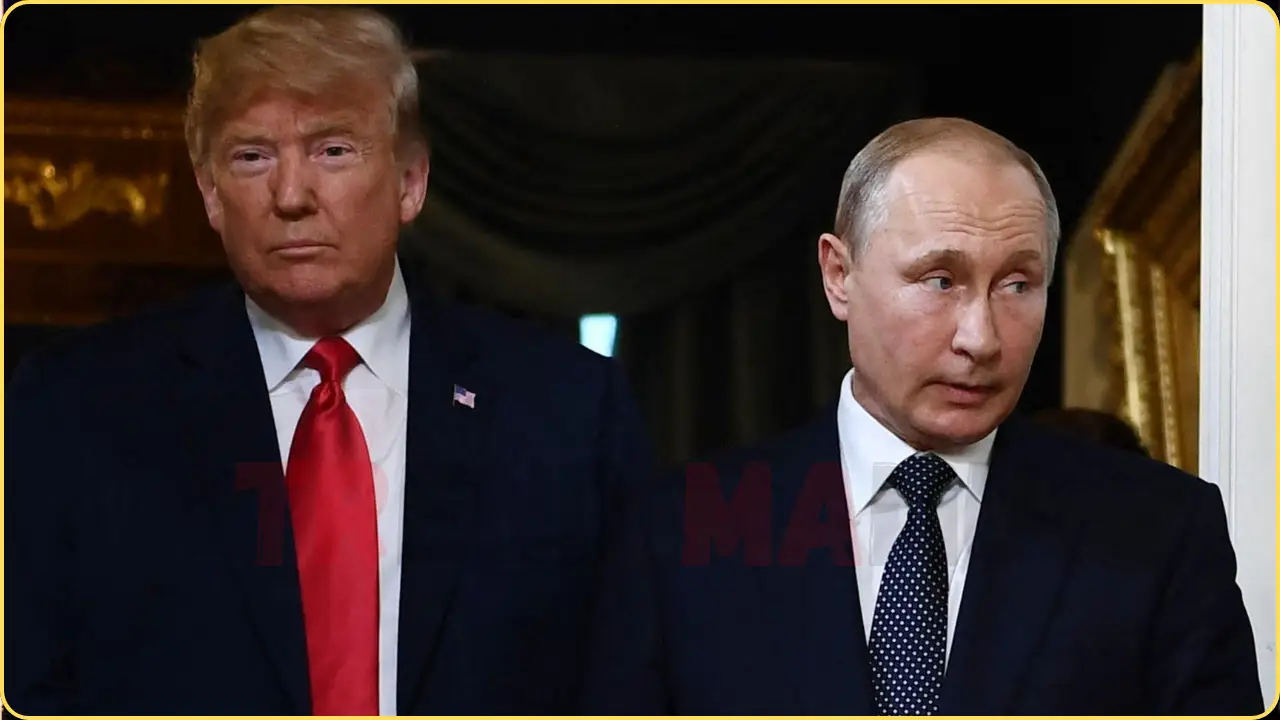
Brussels’ top diplomat, Kaja Kallas, underscored that any US-Russia agreement must include Ukraine and the EU, as it concerns European security. Polish Foreign Minister Radosław Sikorski added that Europe’s financial support for Ukraine gives it a stake in the outcome, saying, “To get to a fair peace, Russia has to limit its war aims.”
Trump’s Strategy and Pressure on Putin
The White House insists the Alaska summit aims to assess Putin’s willingness to make concessions, including accepting Western security guarantees for Ukraine. Merz, in a call with Trump on Sunday, urged stronger economic sanctions on Moscow before the talks. European leaders, including those from France, Germany, Italy, Poland, Britain, Finland, and the European Commission, issued a joint statement urging Trump to increase pressure on Russia and involve Ukraine in decisions.
Meanwhile, US Senator Lindsey Graham, a key figure in pushing for sanctions, expressed confidence that Trump would protect Ukraine’s interests. He warned that if Putin offers no concessions, Trump could impose heavy tariffs on countries like India, China, and Brazil for trading with Russia. Graham also acknowledged that Ukraine might not reclaim all lost territories but stressed the need for a sovereign, secure Ukraine with European forces as a deterrent against future Russian aggression.
This summit has sparked hope and fear, with the outcome hinging on Trump’s negotiations and Europe’s ability to influence the process.