




Deadly Storms Strike Nebraska: One Dead, Hundreds of Inmates Displaced Amid Chaos!
Lincoln, Nebraska, Severe storms swept through eastern Nebraska early Saturday morning, claiming one life, leaving another person with serious injuries, and forcing the evacuation of hundreds of inmates from damaged prison facilities. As the region reels from the destruction, other parts of the Midwest are preparing for more rough weather, with warnings issued for potential high winds and heavy rains.
The storms hit before dawn, bringing powerful gusts and widespread damage. Officials reported that the bad weather not only caused personal tragedies but also disrupted public services and infrastructure. In a state park popular with campers, the force of the winds led to a deadly accident, highlighting the dangers of outdoor activities during such events. Meanwhile, the impact extended to urban areas, where buildings and power systems were hit hard.
Tragedy at Two Rivers State Park
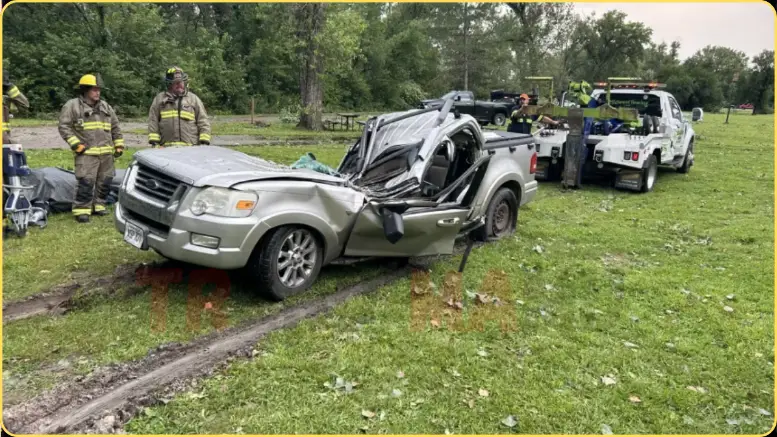
The most heartbreaking incident occurred at Two Rivers State Park, a scenic spot known for its camping and recreational areas. Emergency services from the Waterloo Volunteer Fire Department rushed to the scene just before 7 a.m. after reports of a fallen tree. Responders discovered a vehicle crushed under a massive cottonwood tree that had been uprooted by wind gusts exceeding 80 mph, as measured by weather experts.
Inside the vehicle, a woman was found lifeless and was pronounced dead at the site. A man, also in the car, was trapped amid the wreckage. The fire department described the rescue as challenging due to the tree’s enormous size and weight. It took crews about 90 minutes to carefully cut through the branches and lift the debris to free him.
Once rescued, the man was rushed to a hospital in nearby Omaha with injuries that threatened his life, according to Waterloo Fire Chief Travis Harlow. The park itself, located roughly 5 miles west of Omaha’s western edge, is a favorite among locals for its natural beauty and outdoor facilities. This event serves as a stark reminder of how quickly weather can turn deadly in exposed areas like campsites.
Widespread Destruction from High Winds
The storms’ fury was not limited to the park. Across eastern Nebraska, high winds caused extensive damage, uprooting trees, tearing off roofs, and knocking down power lines. In Blair, about 20 miles north of Omaha, a warehouse suffered major structural harm when its roof was ripped open by the gusts. This left the building exposed and vulnerable to further weather impacts.
Power outages affected thousands of residents in the hours following the storm, complicating recovery efforts. Utility crews worked through the day to restore electricity, but the scale of the damage suggested that some areas might face delays. Such events often strain local resources, as communities deal with blocked roads, fallen debris, and safety hazards.
Prison Evacuation in Lincoln
In Lincoln, the state capital, the Nebraska State Penitentiary felt the storm’s wrath. Two housing units at the facility were damaged by the high winds, prompting the immediate relocation of 387 inmates. The Department of Correctional Services confirmed in a statement that the move was necessary to ensure safety.
Fortunately, no one was hurt in the incident. “There are no reported injuries, and all staff and incarcerated individuals are safe and accounted for,” the agency noted. The displaced inmates were moved to other secure areas within the prison system, minimizing disruption. This quick response underscores the importance of emergency plans in public institutions during natural disasters.
Storms Spread to Neighboring States
The weather system did not spare other regions. In eastern Wisconsin, storms brought gusts up to 60 mph to the Door Peninsula, causing minor disruptions but no major incidents reported so far. Residents there were advised to stay alert as the system moved eastward.
Looking ahead, weather forecasts indicate more challenges for the Midwest. Strong storms could develop from Saturday night into Sunday, affecting a broad area from western Colorado through Kansas, Nebraska, Iowa, northern Missouri, and into Illinois and Wisconsin. People in these states are urged to monitor updates, secure outdoor items, and prepare for possible power losses or travel issues.
As Nebraska begins cleanup and recovery, stories of resilience emerge. Local volunteers and officials are coordinating aid, while communities come together to support those affected. Events like these highlight the unpredictable nature of weather and the need for preparedness in vulnerable regions.