




Denmark Big Mermaid statue controversy: Why This ‘Pornographic’ Sculpture Faces Removal!
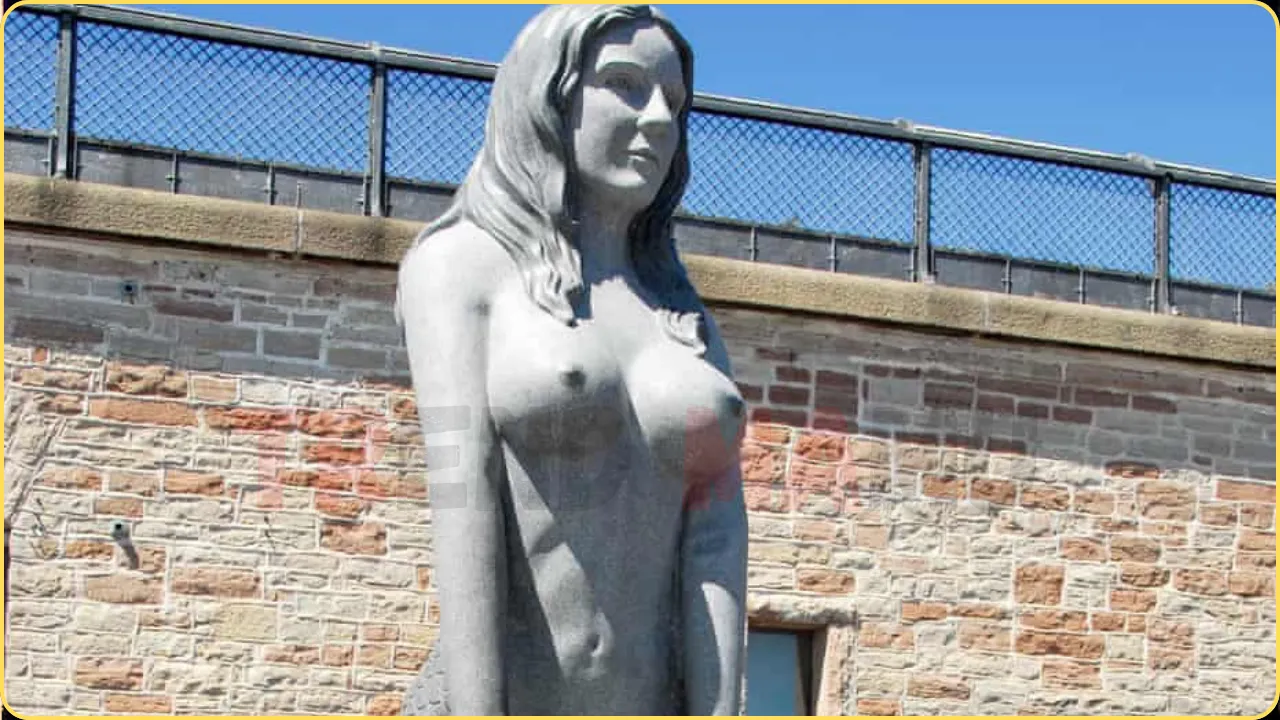
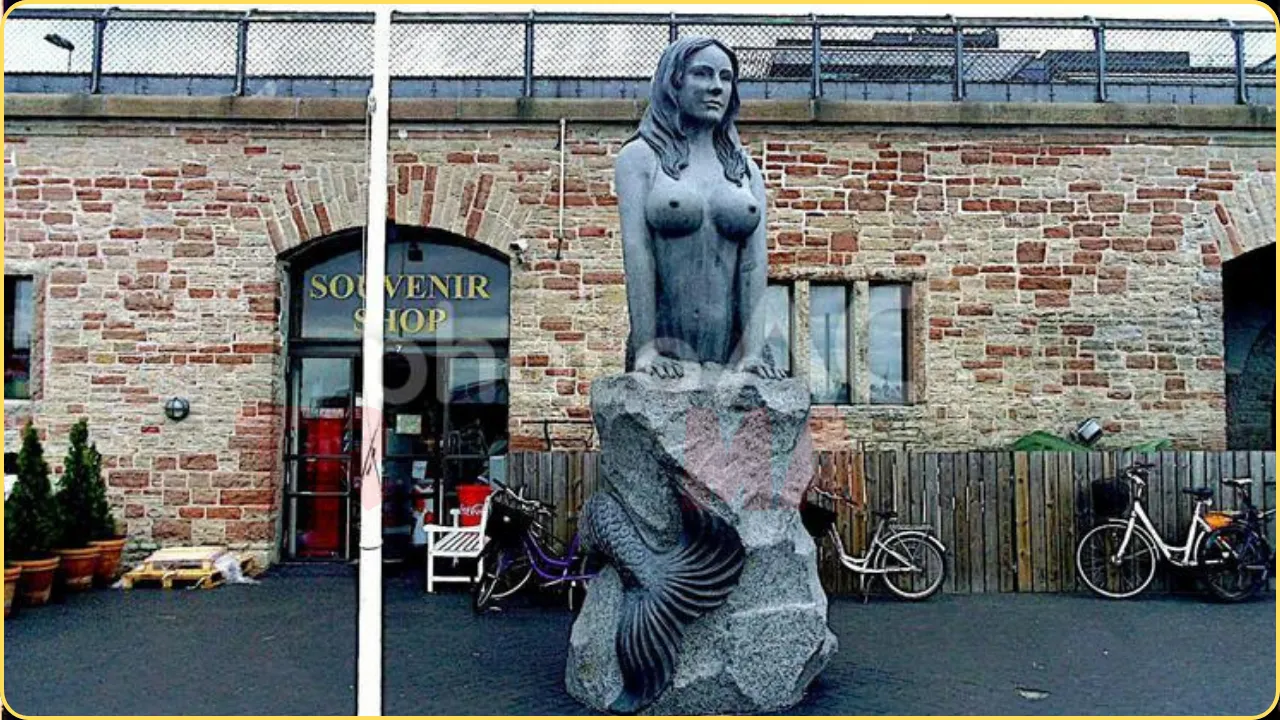
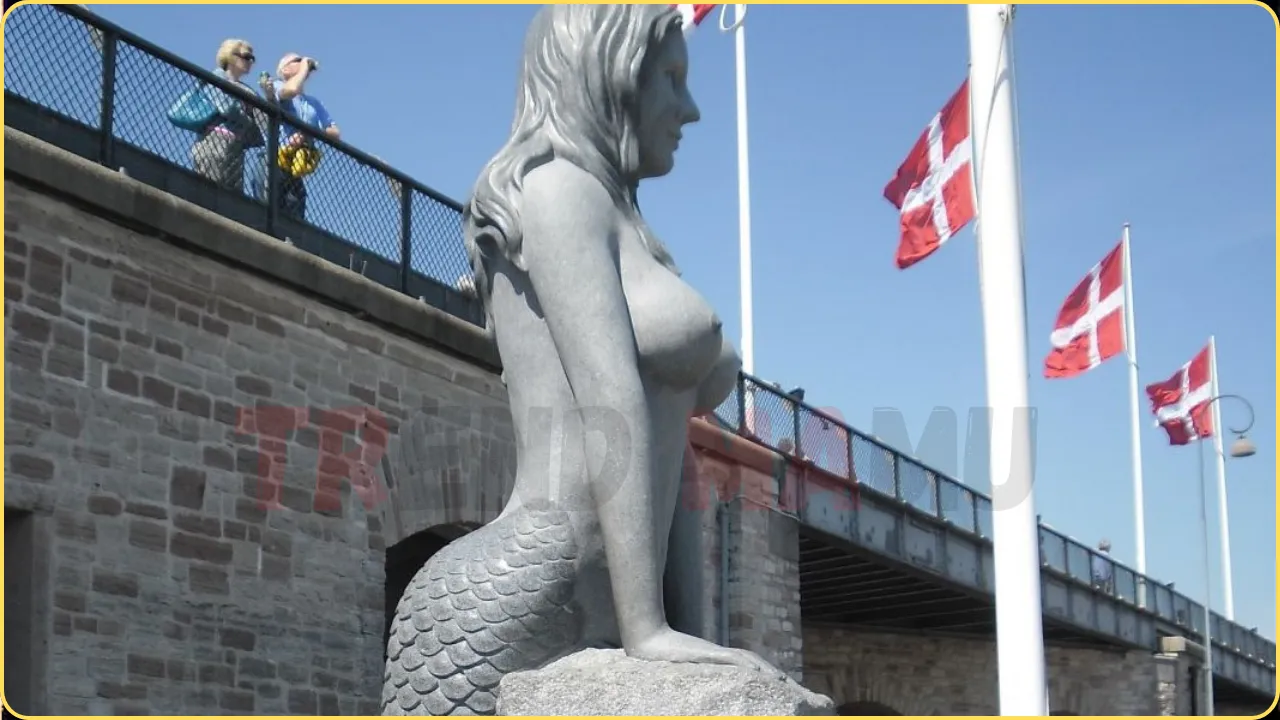
A heated debate has erupted in Denmark over a 14-tonne mermaid statue, Den Store Havfrue (the Big Mermaid), set to be removed from Dragør Fort in Copenhagen. Criticized as “ugly and pornographic,” the 4×6-meter sculpture has sparked controversy for its depiction of the female form, drawing both condemnation and defense.
The Danish Agency for Palaces and Culture, which oversees the historic fort, argues that the statue clashes with the site’s 1910 heritage. As the dispute unfolds, voices on both sides highlight deeper societal issues about art, women’s bodies, and public spaces.
A Controversial Sculpture
Erected in 2006 at Langelinie Pier near Copenhagen’s iconic Little Mermaid, the Big Mermaid was intended as a bold counterpart to the smaller, bronze statue inspired by Hans Christian Andersen’s fairy tale. Sculptor Peter Bech created the stone figure in response to tourists’ complaints that the Little Mermaid was too small.
However, the Big Mermaid faced immediate backlash, with locals labeling it “fake and vulgar.” By 2018, it was relocated to Dragør Fort, a historic sea fortification. In March 2025, the Danish Agency for Palaces and Culture requested its removal, citing its incompatibility with the fort’s cultural significance.
The decision has reignited criticism. Politiken art critic Mathias Kryger called the statue “ugly and pornographic,” while priest and journalist Sorine Gotfredsen, writing in Berlingske, described it as “a man’s hot dream of what a woman should look like.” Gotfredsen argued that the sculpture undermines women’s body acceptance, adding, “It’s truly uplifting that many find the statue vulgar, unpoetic, and undesirable.”
A Defense of Artistic Freedom
Not everyone agrees with the statue’s removal. Bech defends his work, insisting that the mermaid’s breasts are “of a proportional size” for its scale and expressing confusion over the backlash. Supporters argue the criticism reflects broader societal discomfort with female bodies.
Berlingske debate editor Aminata Corr Thrane called the focus on the statue’s breasts “body shaming,” questioning, “Do naked female breasts have to have a specific academic shape and size to be allowed in public?” She noted that the Big Mermaid, while less clothed than the Little Mermaid, faces scrutiny primarily for its larger proportions.
Corr Thrane suggested the two statues represent conflicting ideals of femininity, highlighting an “eternal tug of war” over what defines a “real” or “wrong” woman. Her defense has sparked discussions on X, where some users argue the statue celebrates artistic expression, while others see it as perpetuating outdated stereotypes.
A Struggle to Stay in Dragør
The Big Mermaid’s future remains uncertain. Bech offered to donate the sculpture to Dragør municipality, but the gesture was declined. Helle Barth, chair of the municipality’s climate, urban, and business committee, told Berlingske that while the offer was generous, the statue’s size makes it difficult to accommodate. “It takes up a lot of space,” she said. Bech, however, remains hopeful, noting that many Dragør residents have expressed fondness for the sculpture, telling him they want it to stay.
The Danish Agency for Palaces and Culture has chosen not to comment, leaving the statue’s fate in limbo. Bech’s determination to keep his work in Dragør reflects his belief in its value as a public artwork, despite the controversy.
A Broader Cultural Debate
The Big Mermaid saga transcends a single statue, touching on issues of art, gender, and public space. Critics argue it reinforces harmful ideals, while supporters see the backlash as an overreaction that stifles creativity. As Denmark grapples with this decision, the controversy underscores the challenges of balancing cultural heritage with modern sensibilities, leaving many to wonder where the Big Mermaid will surface next.