



Fever Medicine Shortages Loom in America! Trump’s Tariff Blunder on India Sparks Crisis!
U.S. President Donald Trump’s decision to impose additional tariffs on Indian goods has sent shockwaves across the global economic landscape, with experts warning that the 50% tariffs could severely disrupt America’s healthcare system. The tariffs, which apply to India’s pharmaceutical exports, among other goods, risk creating shortages of essential medicines in the U.S.
This move has raised concerns about its impact on both countries’ economies and their bilateral relations. This article explores the details of Trump’s tariff decision, its potential consequences, and the broader implications for global trade.
Trump’s Tariff Threat
President Donald Trump signed an executive order last night imposing a 25% additional tariff on all goods imported from India, bringing the total tariff to 50%. The order cites India’s direct and indirect imports of Russian oil as posing an “extraordinary and severe threat” to U.S. national security and foreign policy.
The initial tariffs will take effect on August 7, 2025, with the additional tariffs coming into force 21 days later. This measure applies to all Indian exports to the U.S., including critical sectors like pharmaceuticals, textiles, and information technology.

Economic analysts warn that these tariffs could significantly harm India’s export-driven economy. According to Morgan Stanley, India’s exports could decline by approximately $7 billion this year alone. The tariffs are expected to disrupt the supply chain of essential goods, particularly medicines, which could have far-reaching consequences for the U.S. healthcare system.
Healthcare Crisis in the U.S.
India is a major supplier of pharmaceuticals to the U.S., exporting $300 billion worth of medicines annually. One in ten drugs used in the U.S. is manufactured in India. The new tariffs threaten to disrupt this supply chain, potentially leading to shortages of critical medicines, including those for common ailments like fever. This could result in higher drug prices and reduced access to healthcare for American citizens, creating a public health crisis.
The U.S. healthcare system heavily relies on affordable Indian pharmaceuticals. Experts warn that the tariffs could drive up costs and exacerbate existing challenges in the healthcare sector. Critics argue that Trump’s decision may backfire, harming American consumers more than it impacts India’s economy.
Economic Challenges for India
Morgan Stanley and Nomura Holdings have warned that India and Thailand face the greatest risks from Trump’s tariff policies. India imposes tariffs of 10-25% on U.S. goods, significantly higher than the average tariffs the U.S. imposes on Indian products, which have historically been below 10%. In response, Trump’s new tariffs aim to level the playing field, but they could severely impact India’s export growth.

According to Morgan Stanley, India’s exports already declined by 4% in February due to earlier trade tensions. The new tariffs could lead to a $7 billion drop in exports this year, posing a significant challenge to India’s economic progress. Sectors such as pharmaceuticals, IT, and textiles, which are key drivers of India’s export economy, are particularly vulnerable.
Reciprocal Tariffs and Global Trade
Trump’s tariff policy could trigger retaliatory measures from India, escalating a trade war between the two nations. India may impose higher tariffs on U.S. goods in response, further straining bilateral trade relations.
Trump has stated, “We want to treat other countries fairly,” but warned that if India does not reduce its import tariffs, he will raise tariffs further. This tit-for-tat approach risks destabilizing global trade and creating economic uncertainty.
The reciprocal tariffs could increase the cost of goods in both countries, reducing competitiveness in global markets. The World Trade Organization (WTO) may also scrutinize these measures, as they could violate international trade agreements. The broader impact on global supply chains and economic stability remains a significant concern.
Public and Expert Reactions
Trump’s tariff decision has sparked intense debate in India and the U.S. In India, many view the tariffs as an attack on the country’s economic sovereignty. “India must stand firm and protect its economic interests against U.S. pressure,” said one commentator. Others argue that the tariffs will harm American consumers by creating medicine shortages and driving up healthcare costs.
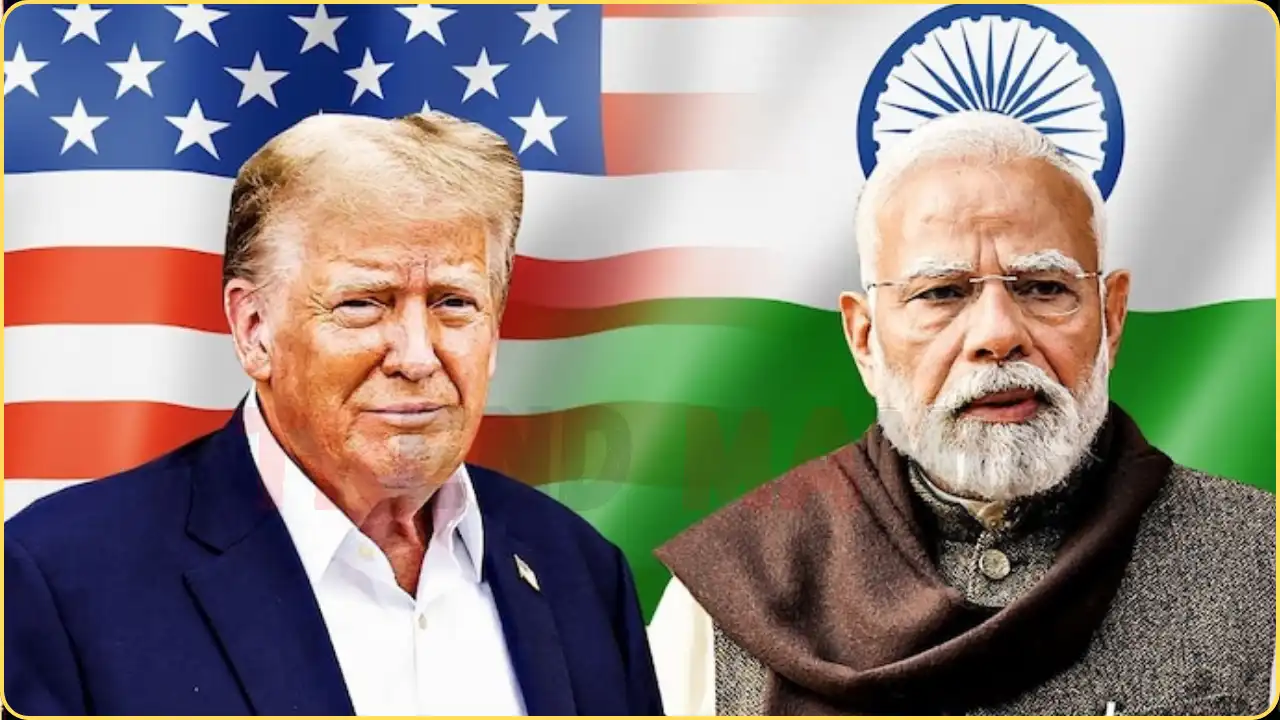
Economic analysts, including those from Morgan Stanley and Nomura Holdings, warn that the tariffs could have a ripple effect on global trade. The decision is seen as a risky move that could undermine the economic partnership between India and the U.S., two key players in the global economy.
What Lies Ahead?
Trump’s tariff imposition on India threatens not only the Indian economy but also the U.S. healthcare system, which relies heavily on Indian pharmaceuticals. The potential for medicine shortages and rising costs could create significant challenges for American citizens. India may respond with retaliatory tariffs, further complicating bilateral trade relations.
This controversy highlights the delicate balance between national interests and global trade dynamics, with both nations facing critical decisions in the coming months.