




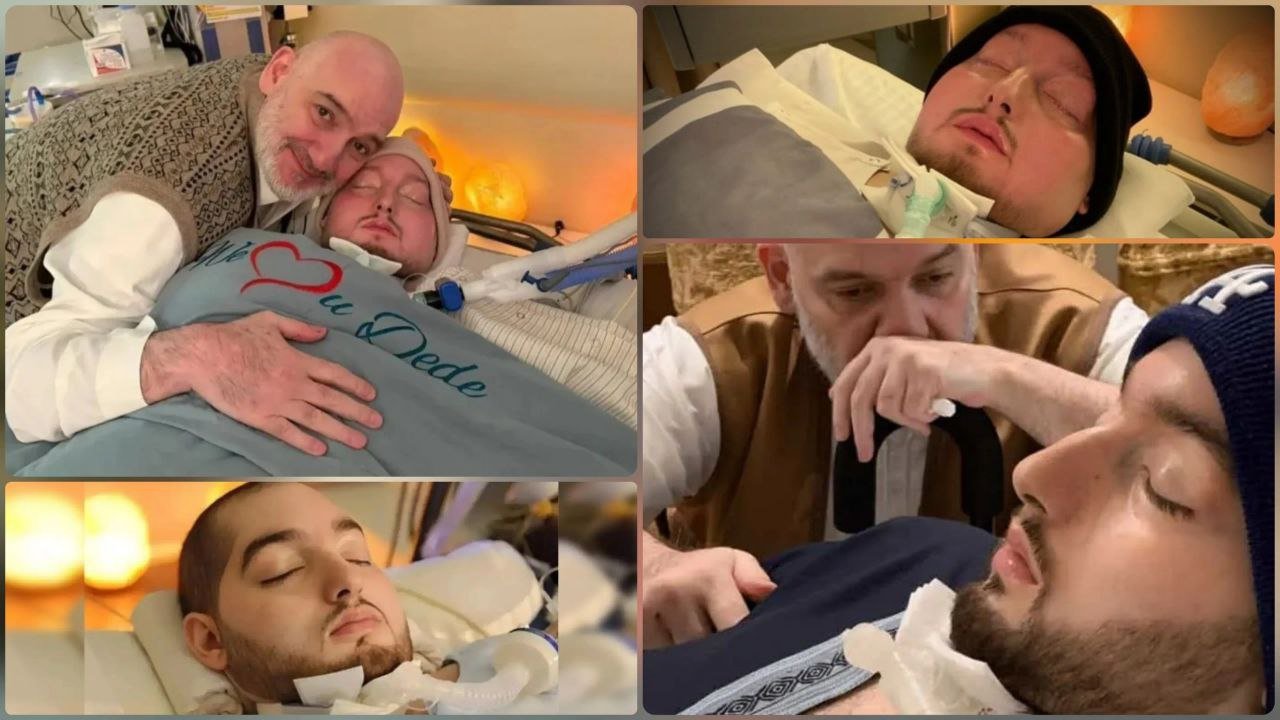
Heartbreaking End for Saudi Sleeping Prince: 20-Year Coma Ends in Tragedy at 36
On July 19, 2025, Saudi Arabia mourned the loss of Prince Al-Waleed bin Khaled bin Talal Al Saud, known as the “Sleeping Prince,” who passed away at 36 after spending nearly two decades in a coma.
The prince, injured in a devastating car accident in 2005 at age 15, became a symbol of hope and resilience for his family and millions across the Arab world. His father, Prince Khaled bin Talal Al Saud, announced the heartbreaking news on X, sharing a poignant message and a black-and-white photo of his son in a hospital bed.
This article explores the prince’s tragic journey, his family’s unwavering faith, and the global outpouring of grief following his death.
A Life Altered by a Tragic Accident
Born in April 1990, Prince Al-Waleed, affectionately called “Dede” by his family, was a vibrant teenager studying at a military college in London when tragedy struck. In 2005, at just 15 years old, he was involved in a severe car accident that caused critical brain injuries and internal bleeding, according to Gulf News.
Rushed to a hospital, he fell into a coma and was later transferred to King Abdulaziz Medical City in Riyadh, where he remained on life support for 20 years. Despite consultations with American and Spanish specialists, the prince never regained full consciousness. His condition, marked by occasional minor movements like lifting a finger or turning his head, offered fleeting hope but no recovery.


These moments, such as a 2019 video showing him moving his head, captivated millions and fueled prayers for a miracle. The accident not only altered Al-Waleed’s life but also became a deeply personal ordeal for his family, who refused to give up on him.
A Father’s Faith and Public Devotion
Prince Khaled bin Talal, a prominent Saudi royal and nephew of billionaire investor Prince Al-Waleed bin Talal, became a pillar of hope for his son. Despite medical advice in 2015 to withdraw life support, Khaled steadfastly refused, stating, “If God had wanted him to die in the accident, he would have been in his grave now.”
He shared regular updates on X, posting emotional videos of family visits during Islamic holidays like Ramadan and Eid, often decorating Al-Waleed’s hospital room with Saudi flags and festive decorations. These posts, which garnered millions of views, turned the “Sleeping Prince” into a symbol of endurance.
Princess Rima bint Talal, a relative, also shared heartfelt messages, including a 2019 clip of Al-Waleed moving his head, writing, “Praise and thanks be to You, O Lord.” The family’s public devotion drew countless visitors to the hospital, where supporters joined in prayers, reflecting the widespread empathy for Al-Waleed’s plight across Saudi Arabia and beyond.
Global Grief and a Lasting Legacy
The announcement of Prince Al-Waleed’s death on July 19 triggered a wave of sorrow on social media, with tributes pouring in from across the Arab world. Prince Khaled’s X post, quoting Quranic verses and announcing the funeral at Imam Turki bin Abdullah Mosque in Riyadh on July 20, resonated deeply.
Users on X expressed condolences, with one writing, “His story touched hearts everywhere. May Allah grant him paradise.” The prince’s story, marked by his family’s faith and resilience, highlighted the human side of Saudi royalty, contrasting their wealth with profound loss. False claims in June 2025, mistaking rally driver Yazeed Al-Rajhi’s recovery for Al-Waleed’s, had briefly sparked hope, but fact-checks clarified the error.
Al-Waleed’s legacy endures as a reminder of life’s fragility and the power of hope, with his story inspiring discussions about medical ethics and the emotional toll of prolonged comas. As Saudi Arabia reflects, the “Sleeping Prince” leaves behind a narrative of love, faith, and unwavering family devotion.