




Israel Shocking Move: 60,000 Reservists Called Up for Total Gaza City Assault
Israel’s military is gearing up for a major ground push into Gaza City, announcing plans to call up around 60,000 reservists. This step comes as part of preparations to take full control of the area through a large-scale operation.
Mobilization and Operation Plans
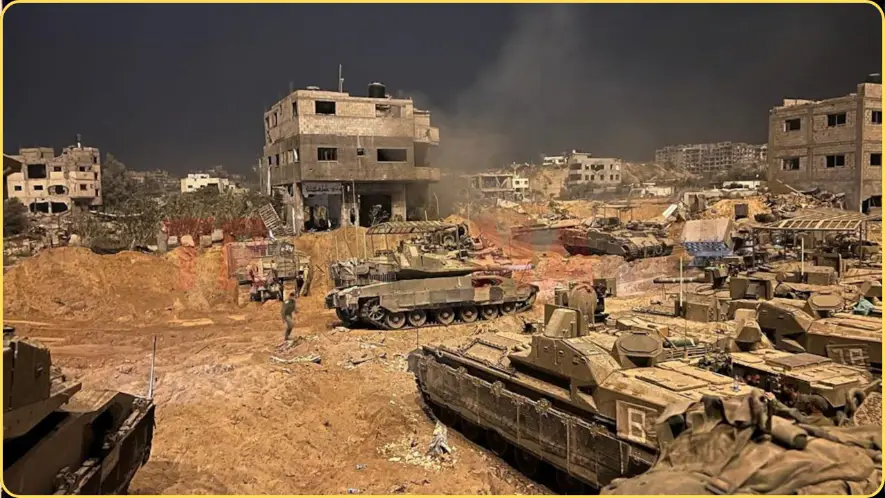
The Israeli Defense Forces (IDF) stated that these reservists will start reporting for duty next month. Most of the forces involved in the upcoming assault will come from regular active-duty soldiers. A military spokesperson explained that troops are already active in neighborhoods like Zeitoun and Jabalia to set the stage for the broader plan.
Defense Minister Israel Katz gave the green light to this strategy on Tuesday, and it is set to go before the security cabinet soon. The operation aims to be careful and focused, with soldiers moving into new parts of the city. Senior leaders have outlined a step-by-step approach, involving five full divisions.


This buildup is tied to what the IDF calls “the next phase of Operation Gideon’s Chariots,” which began back in May and has already put Israeli forces in charge of about three-quarters of Gaza. Along with the new call-ups, 20,000 existing reservists will have their service extended.
Katz has described the goal as transforming Gaza completely, saying that once finished, the area “will change its face and will no longer look as it did in the past.” Plans include moving Gaza City residents to safer spots in the south, such as the al-Mawasi coastal zone, where temporary hospitals will be set up.
Prime Minister Benjamin Netanyahu has made it clear that the main aims are to free all remaining hostages and fully defeat Hamas, the group controlling Gaza.
Evacuation Orders and Global Backlash
As the operation looms, hundreds of thousands of people in Gaza City may soon get orders to leave their homes and head to shelters further south. This has raised alarms among Israel’s partners around the world.
French President Emmanuel Macron spoke out on Wednesday, calling the plan a path to “disaster for both peoples” that could drag the whole region into endless conflict. The International Committee of the Red Cross (ICRC) echoed these fears, warning that more fighting and forced moves would make an already dire situation even worse for Gaza’s 2.1 million residents.

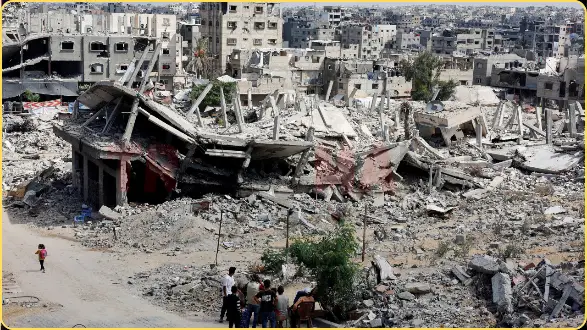
Aid groups and the United Nations have highlighted the human cost. A joint statement from the UN and other organizations on Monday said ramping up attacks in Gaza City would hit hard on people who are already worn out, hungry, grieving, homeless, and lacking basic needs. They called forcing mass evacuations southward a setup for more suffering, possibly breaking international rules against moving civilians by force.
These southern areas, they noted, are packed and not ready to handle so many more people. The ICRC added that stepping up the fight could lead to a humanitarian collapse that can’t be fixed, and it might endanger the hostages still held there, some thought to be in Gaza City.
The UN’s human rights team reported that many families have already fled from eastern and southern parts of the city in recent days. Others are stuck, without food, water, or medical help. Even as Israel directs people to al-Mawasi, strikes continue there, putting lives at risk.
Stalled Ceasefire Talks
Israel’s push to take the full Gaza Strip came after peace talks with Hamas fell apart last month. Those discussions, held through go-betweens, aimed at a truce and freeing hostages.


Qatar and Egypt, acting as mediators, recently offered a fresh deal: a 60-day pause in fighting and the release of about half of the 50 hostages left in Gaza. Hamas agreed to this on Monday, but Israel has not yet replied officially. Israeli leaders said on Tuesday they want a full agreement that gets every hostage out, not just some. Only around 20 hostages are thought to still be alive.
Recent Clashes and Casualties
On the ground, fighting continues. The IDF said the Givati Brigade is back in action in Jabalia town and near Gaza City, taking down hidden military sites, dealing with fighters, and strengthening their hold. They are urging locals to head south to stay safe.
Gaza’s civil defense, run by Hamas, described conditions in Zeitoun and Sabra as “very dangerous and unbearable,” with ongoing shelling. They reported 21 deaths from Israeli attacks on Wednesday, including a family of five—three children and their parents—in a bombed home in Shati refugee camp.
The IDF reported an attempt by 15 Palestinian fighters to breach a position in Khan Younis, injuring one Israeli soldier badly and killing 10 attackers. Hamas claimed responsibility, saying one of their members used a suicide bomb.
Deepening Humanitarian Crisis
The World Food Programme has raised the alarm on hunger, saying malnutrition in Gaza is at emergency levels and getting worse quickly. More kids and mothers are showing serious signs, and while help is increasing, it’s not enough to meet the demand.
Gaza’s health ministry, controlled by Hamas, said three more people died from lack of food in the last day, bringing the total since the war started to 269, with 112 children among them.
The UN stresses the need for free access to deliver aid everywhere in Gaza, using all entry points. Supplies coming in are still too low due to limits set by Israel.
Israel’s aid coordination unit responded by saying hundreds of trucks enter daily, driving down food costs. They have accused the health ministry of wrongly labeling deaths from other health issues as malnutrition.
Roots of the Conflict
This all stems from the October 7, 2023, attack led by Hamas on southern Israel, where about 1,200 people died and 251 were taken captive. Israel’s response has led to heavy losses in Gaza, with the health ministry reporting at least 62,122 deaths. These numbers are seen as reliable by the UN and others tracking the toll.
As tensions build, the world watches closely, hoping for a way to avoid more loss and suffering.