




Trump and Zelenskyy Oval Office Meeting: A New Hope for Ukraine’s Future
In a pivotal moment for international diplomacy, U.S. President Donald Trump welcomed Ukrainian President Volodymyr Zelenskyy to the White House on Monday, August 18, 2025, to discuss the ongoing conflict in Ukraine and the path toward peace.
The meeting, marked by a notably warm atmosphere, stood in stark contrast to their last encounter and offered fresh hope for resolving Russia’s war on Kyiv. Accompanied by a robust delegation of European leaders, Zelenskyy sought to secure U.S. support following Trump’s recent talks with Russian President Vladimir Putin in Alaska.
Below, we unpack the key moments and implications of this high-stakes meeting, shedding light on what it means for Ukraine and the global stage.
A Cordial Turn in U.S.-Ukraine Relations
The Oval Office meeting was a significant departure from the tense exchange between Trump and Zelenskyy in February 2025. During that earlier visit, Trump and Vice President JD Vance had criticized Zelenskyy, accusing him of insufficient gratitude for U.S. military aid. This time, however, the mood was strikingly different.
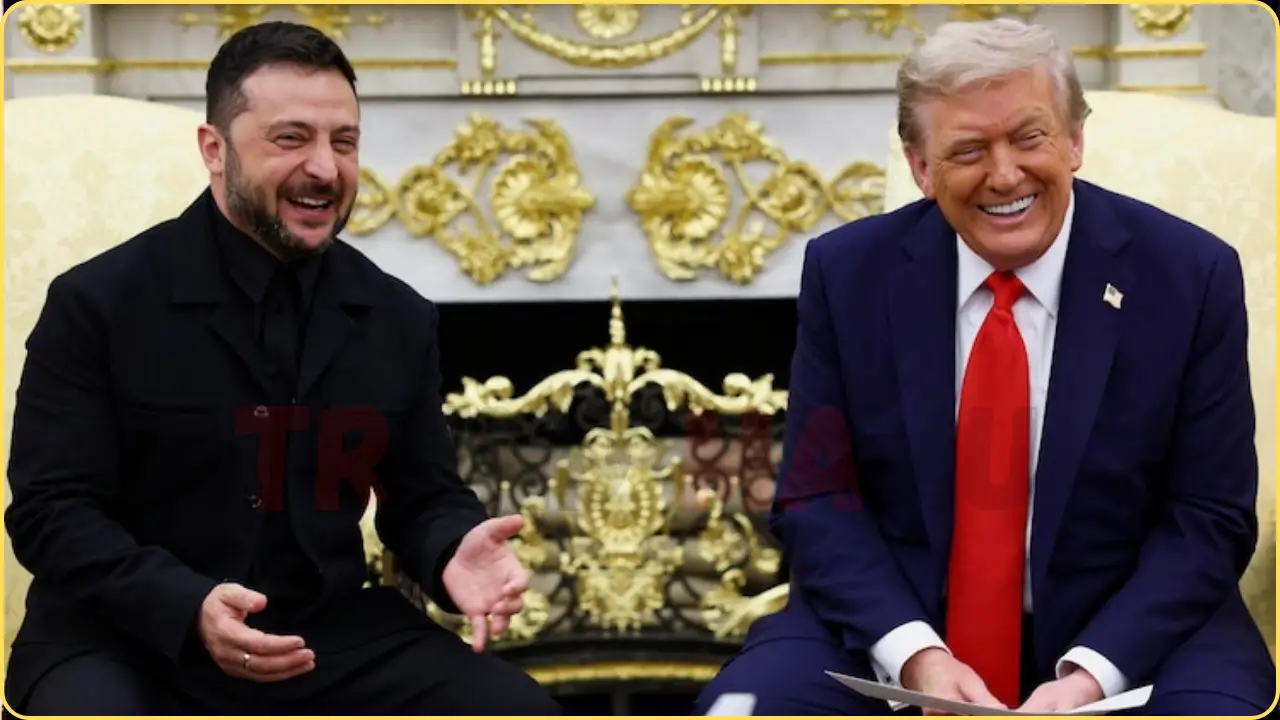
Both leaders exchanged smiles and positive remarks, with Zelenskyy expressing appreciation for Trump’s personal efforts to end the conflict. The warm tone set the stage for productive discussions, signaling a renewed commitment to collaboration between the two nations.
The presence of European leaders in Washington underscored the meeting’s importance. These leaders, who had been excluded from Trump’s recent summit with Putin in Alaska, rallied behind Zelenskyy to ensure Ukraine’s interests were represented. Their attendance highlighted the international community’s urgency to address the war and prevent further escalation.
Trump’s Pledge for Ukraine’s Security
Commitment to Protection
A central focus of the meeting was Trump’s assurance that the United States would provide Ukraine with “very good protection” and security assistance. While he stopped short of detailing what this support would entail, his promise was a critical signal to Zelenskyy, who has consistently emphasized the need for robust security guarantees in any peace agreement. Trump’s remarks suggested a willingness to maintain U.S. involvement in Ukraine’s defense, though specifics remained vague.
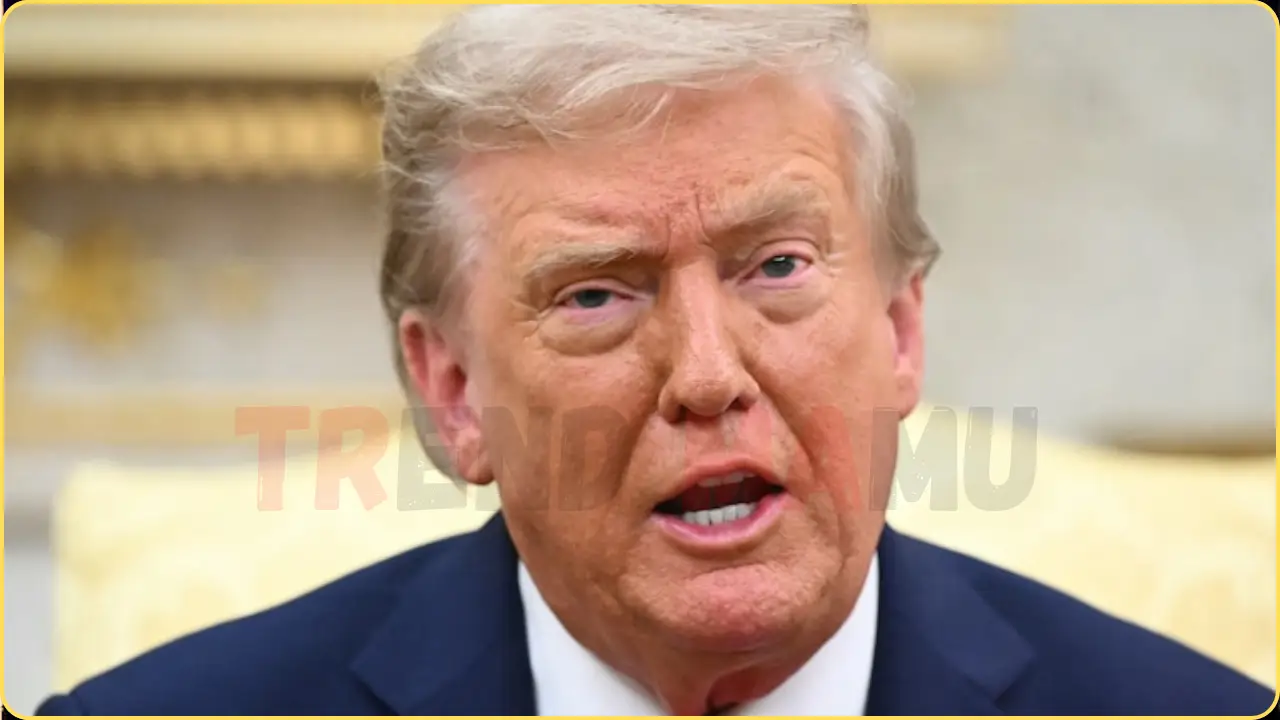
“We’re going to be discussing it today, but we will give them very good protection, very good security. That’s part of it,” Trump said during the meeting. He also hinted at broader international involvement, noting that he would meet with “seven great leaders of great countries” to discuss security arrangements. This acknowledgment of European partners underscored the collaborative nature of the effort to support Ukraine.
Context of NATO’s Article 5
Trump’s comments came in the wake of remarks by his special envoy, Steve Witkoff, who suggested that Russia had agreed to “Article 5-like” protections for Ukraine during the Alaska summit. Article 5, a cornerstone of NATO’s collective defense agreement, stipulates that an attack on one member nation is considered an attack on all.
While Trump neither confirmed nor denied Witkoff’s claim, he promised further details later, saying, “We’ll let you know that maybe later today.” His reluctance to elaborate left room for speculation about the extent of U.S. and NATO involvement in Ukraine’s future security framework.
Shifting Stance on Ceasefire Demands
In a notable shift, Trump appeared to soften his earlier calls for an immediate ceasefire in Ukraine. Previously, he had pressed for a swift end to hostilities, even threatening severe consequences for Russia if President Putin did not comply.
However, during Monday’s meeting, Trump refrained from reiterating this demand, focusing instead on broader diplomatic efforts. This adjustment may reflect a recognition of the complexities involved in negotiating peace and the need for a more flexible approach.
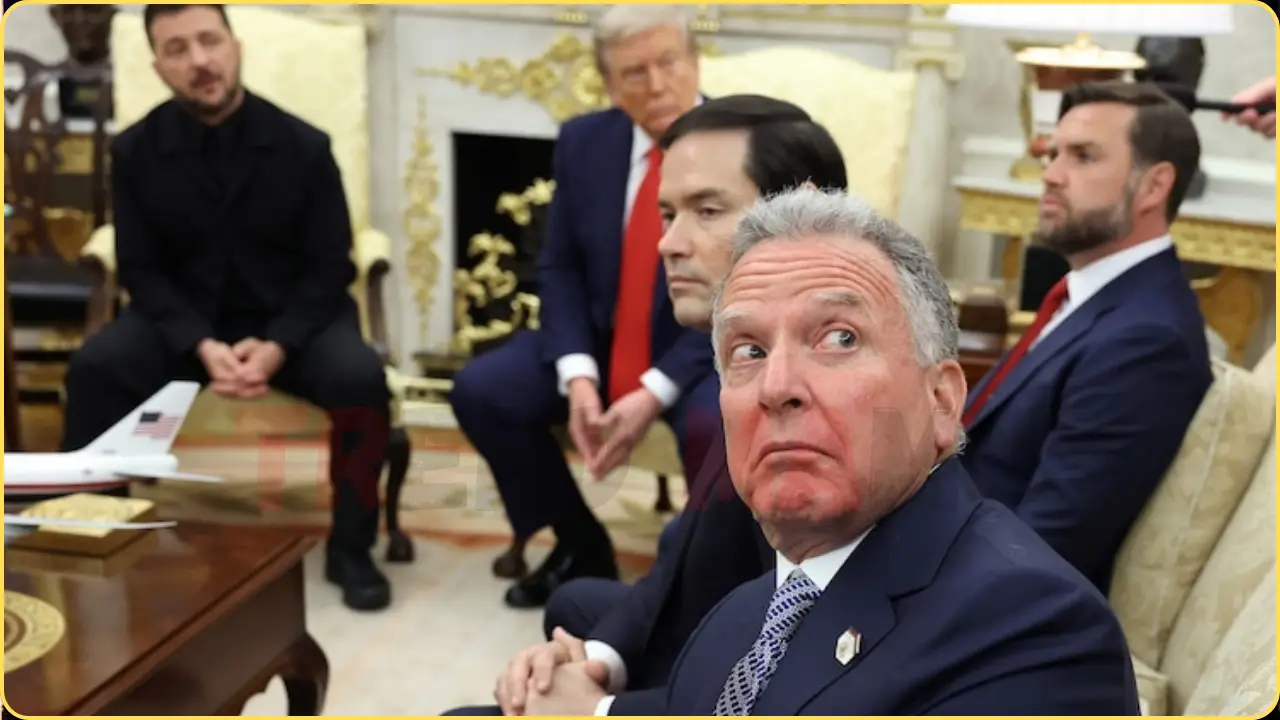
Trump’s tempered rhetoric suggests he is navigating a delicate balance between pushing for peace and maintaining leverage in discussions with both Ukraine and Russia. His comments indicate a willingness to explore diplomatic solutions while keeping the door open for continued U.S. support, regardless of immediate outcomes.
Push for a Trilateral Summit
A Vision for Peace Talks
A key highlight of the meeting was Trump’s persistent advocacy for a trilateral summit involving himself, Zelenskyy, and Putin. He expressed optimism about achieving a “lasting peace” through such a meeting, which he had hoped to arrange immediately after his Alaska talks with Putin but was unable to secure.
Zelenskyy responded positively, stating that Ukraine was “ready” for trilateral discussions, signaling his openness to direct negotiations with Russia under U.S. mediation.
Trump’s emphasis on a trilateral framework reflects his belief that direct dialogue among the three leaders could break the deadlock in the conflict. “People are being killed, and we want to stop that,” Trump said, underscoring the humanitarian toll of the war. He added, “It’s never the end of the road,” rejecting the notion that U.S. support for Ukraine would cease if no deal is reached.
Next Steps with Putin
Trump revealed plans to speak with Putin by phone following his meetings with Zelenskyy and European leaders. He suggested that the call could pave the way for a trilateral meeting, which he views as a critical opportunity to end the conflict.
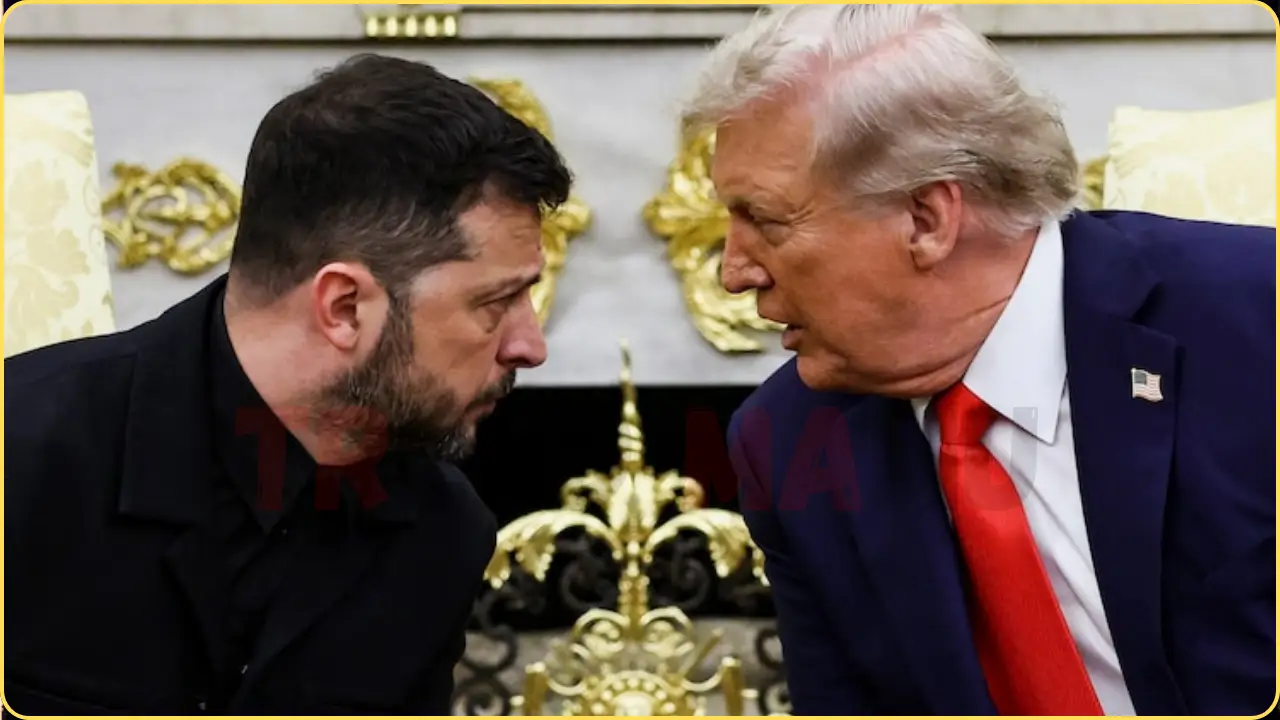
“If we don’t have a trilat, then the fighting continues. And if we do, we have a good chance of maybe ending it,” Trump said, emphasizing the stakes of the proposed talks.
Broader Implications for Ukraine and Beyond
The Trump-Zelenskyy meeting marks a pivotal moment in the ongoing effort to resolve the Russia-Ukraine conflict. The cordial tone and Trump’s assurances of U.S. support signal a potential thaw in U.S.-Ukraine relations, which had been strained earlier in the year. The involvement of European leaders further underscores the international community’s commitment to finding a sustainable solution.
However, uncertainties remain. Trump’s reluctance to provide specifics on security assistance and his softened stance on a ceasefire raise questions about the U.S.’s long-term strategy. The proposed trilateral summit, while promising, faces significant hurdles, including Russia’s willingness to engage in good-faith negotiations.
Zelenskyy’s readiness to participate in such talks reflects Ukraine’s desire for peace, but any agreement will likely require robust guarantees to protect the country’s sovereignty and security.
Looking Ahead
As Trump prepares to engage with Putin and European leaders, the world watches closely. The outcome of these discussions could shape the trajectory of the Russia-Ukraine conflict and redefine the U.S.’s role in global security. For now, the Oval Office meeting has injected cautious optimism into the diplomatic process, offering a glimmer of hope for a resolution that prioritizes peace and stability.
The international community, particularly Ukraine and its European allies, will be keenly focused on the next steps. Whether Trump’s vision for a trilateral summit materializes, and whether it can deliver a lasting peace, remains to be seen. For Zelenskyy, the meeting reaffirmed U.S. support at a critical juncture, but the path to peace will require continued diplomatic finesse and international cooperation.