




Ukraine Attacks Russian Oil Pipeline: Ukraine’s Bold Strike on Russian Oil Pipeline Sparks Outrage in Hungary and Slovakia!
Ukraine has launched a daring attack on a key Russian oil pipeline, disrupting supplies to Hungary and Slovakia, the only European Union countries still relying on Russian crude. The strike, targeting a vital pumping station, has drawn sharp criticism from Budapest, with Hungary’s foreign minister accusing Ukraine of trying to pull his country into the ongoing war.
Attack on the Druzhba Pipeline
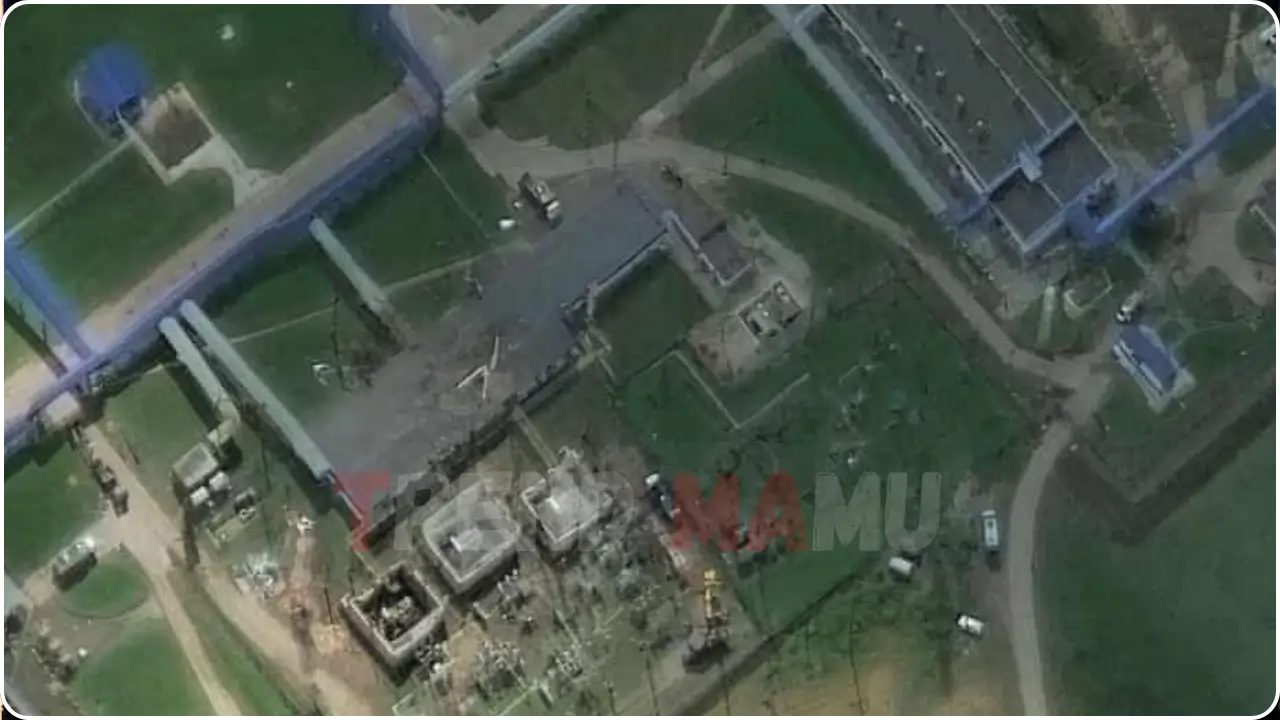
On Friday, Ukraine’s Unmanned Systems Forces commander, Robert Brovdi, confirmed that Ukrainian forces struck the Unecha pumping station in Russia’s Bryansk region. The attack, which used Himars rockets and drones, targeted the Druzhba pipeline, a critical artery for delivering Russian oil to Europe. Bryansk’s regional leader, Alexander Bogomaz, reported the assault in a social media post, detailing the combined rocket and drone barrage.

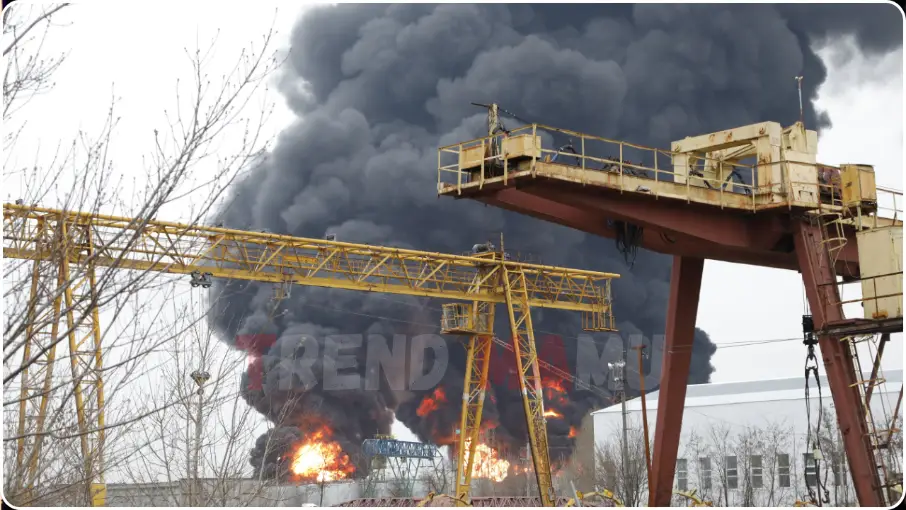
The Druzhba pipeline, a Soviet-era network, runs from Russia through Belarus and Ukraine, supplying oil to Hungary, Slovakia, and parts of Germany. The recent strike has halted oil deliveries to Hungary and Slovakia for at least five days, according to a joint letter from their foreign ministers, Péter Szijjártó and Juraj Blanár, sent to the European Commission.
They stressed that the pipeline is essential for their countries’ energy security, stating, “The physical and geographical reality is that without this pipeline, the safe supply of our countries is simply not possible.”
This marks the second disruption to the pipeline this week, intensifying concerns in Budapest and Bratislava, where Russian oil remains a cornerstone of their energy needs.
Hungary’s Furious Response
Hungary, which depends on the Druzhba pipeline for more than half of its crude oil, reacted with outrage. Foreign Minister Szijjártó called the strike “the third attack in a short time” on Hungary’s energy security, accusing Ukraine of deliberately trying to “drag us into war.” In a Facebook post, he described the attack as a direct threat to Hungary’s stability.
Prime Minister Viktor Orbán, known for his reluctance to support EU sanctions against Russia, echoed Szijjártó’s sentiments. In a statement posted by his Fidesz party, Orbán condemned Ukraine’s actions, noting that the strikes came just before a high-profile meeting between U.S. President Donald Trump and Russian President Vladimir Putin in Alaska. “Hungary supports Ukraine with electricity and petrol, in return they bomb pipeline that supply us,” Orbán wrote. “Very unfriendly move! We wish President Trump every success in his pursuit for peace!”

The post included a handwritten note, reportedly from Trump, addressed to Orbán: “Viktor – I do not like hearing this – I am very angry about it. Tell Slovakia. You are my great friend – Donald.” The message suggests Trump’s frustration with the escalating tensions, aligning with his push for a peace deal to end the conflict.
Slovakia’s Stance and EU Divisions
Slovakia, like Hungary, has maintained its reliance on Russian oil despite the EU’s broader efforts to phase out Russian energy by 2027. Slovak Prime Minister Robert Fico, who has taken a pro-Russian stance, has sided with Orbán in resisting EU pressure to cut ties with Moscow. In May, Fico became the only EU leader to attend Russia’s military parade in Moscow, shaking hands with Putin and reinforcing his alignment with Kremlin narratives.
While the other 25 EU member states stopped importing Russian oil after Moscow’s invasion of Ukraine in February 2022, Hungary and Slovakia have secured exemptions, arguing that their economies depend on affordable Russian energy. The latest pipeline attack has deepened their concerns, highlighting their vulnerability to disruptions in the supply chain.
Germany, which receives Kazakh oil through the same pipeline, reported no impact from the strike, according to its economy ministry. This contrast underscores the differing energy priorities within the EU, with Hungary and Slovakia standing out as outliers.
Ukraine’s Broader Campaign
The attack on the Druzhba pipeline is part of Ukraine’s strategy to target infrastructure supporting Russia’s war effort. Ukrainian forces have repeatedly struck Russian oil refineries, driving up gasoline prices in Russia to record highs. These actions aim to weaken Moscow’s economic and military capabilities as the war, now in its third year, continues to devastate Ukraine.
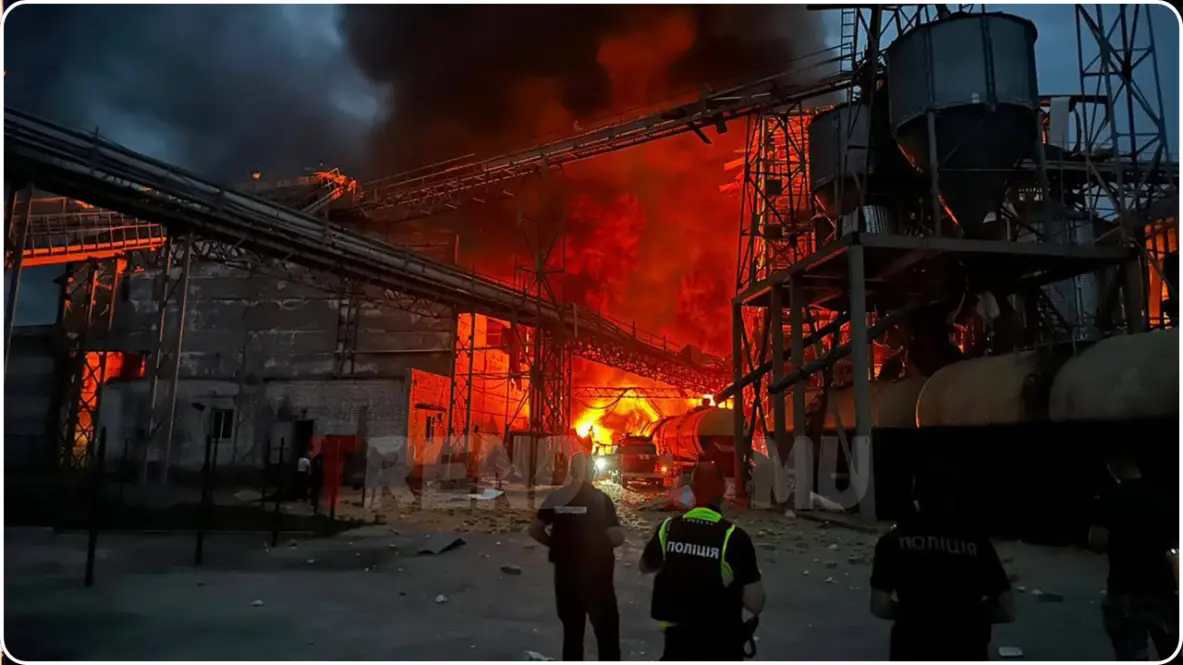
Russia, in turn, has intensified its attacks on Ukrainian cities and energy infrastructure, crucial for heating and industry as winter approaches. On Thursday, Russian forces launched a major air assault near Ukraine’s border with the EU, further escalating the conflict.
Diplomatic Efforts Amid Escalation
The pipeline strike comes as Trump pushes for a resolution to the Russia-Ukraine war. His recent meetings with Putin and Ukrainian President Volodymyr Zelenskyy signal a renewed focus on diplomacy, but the ongoing attacks highlight the challenges of reaching a deal. Hungary’s Orbán, who met Putin last year in a rare visit by a European leader, has positioned himself as a mediator while resisting EU support for Ukraine’s military and economic needs.
For Hungary and Slovakia, the pipeline disruptions are a stark reminder of their reliance on Russian energy and the risks of being caught in the crossfire of the war. As Ukraine continues to target Russian infrastructure and Moscow responds with devastating strikes, the path to peace remains uncertain, with energy security emerging as a key battleground in the conflict.