




Wildfires Devastate Southern Europe: 3 Dead, Thousands Flee as Flames Spread
Wildfires are tearing through southern Europe, leaving a trail of destruction and claiming at least three lives in Spain, Turkey, and Albania as of Wednesday, August 13, 2025.
The blazes, fueled by weeks of scorching heat and high temperatures, have intensified across multiple countries, displacing thousands and stretching firefighting resources to their limits.
From Greece to Montenegro, communities are battling to protect homes, farmland, and lives, while international aid pours in to support the overwhelmed regions. The escalating crisis has sparked urgent calls for action as authorities work to contain the fires and prevent further loss.

Greece Battles Fierce Flames
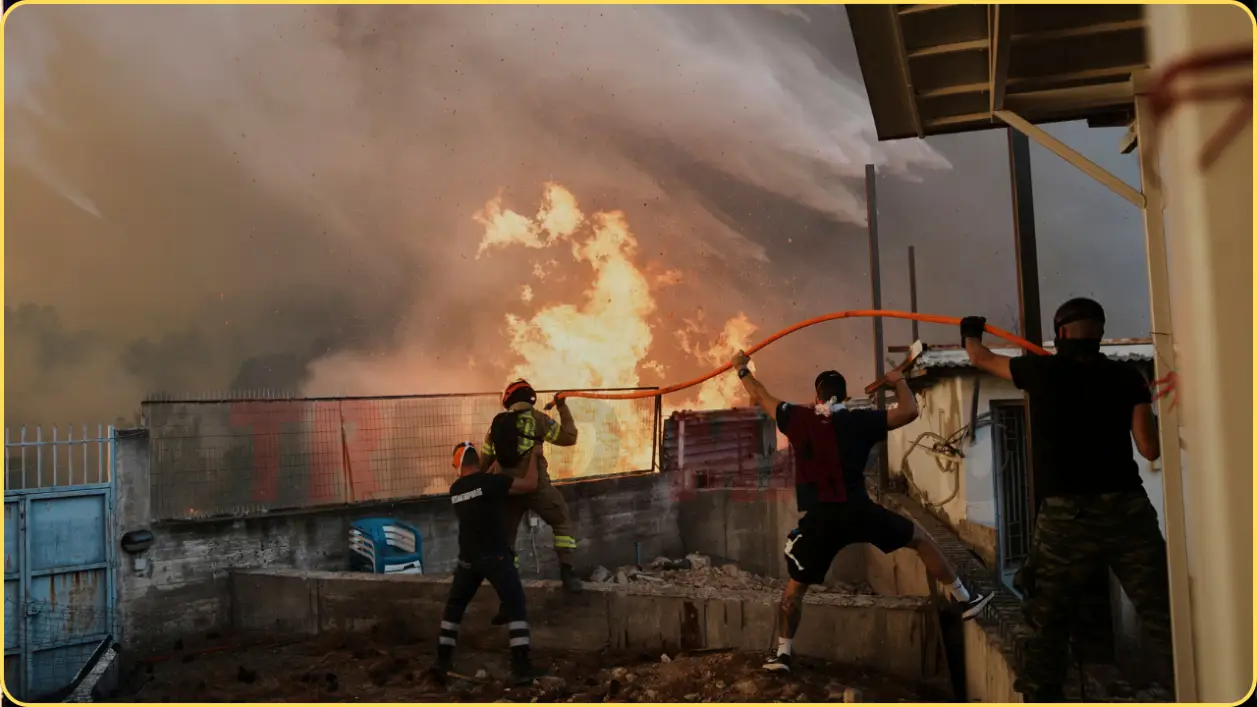
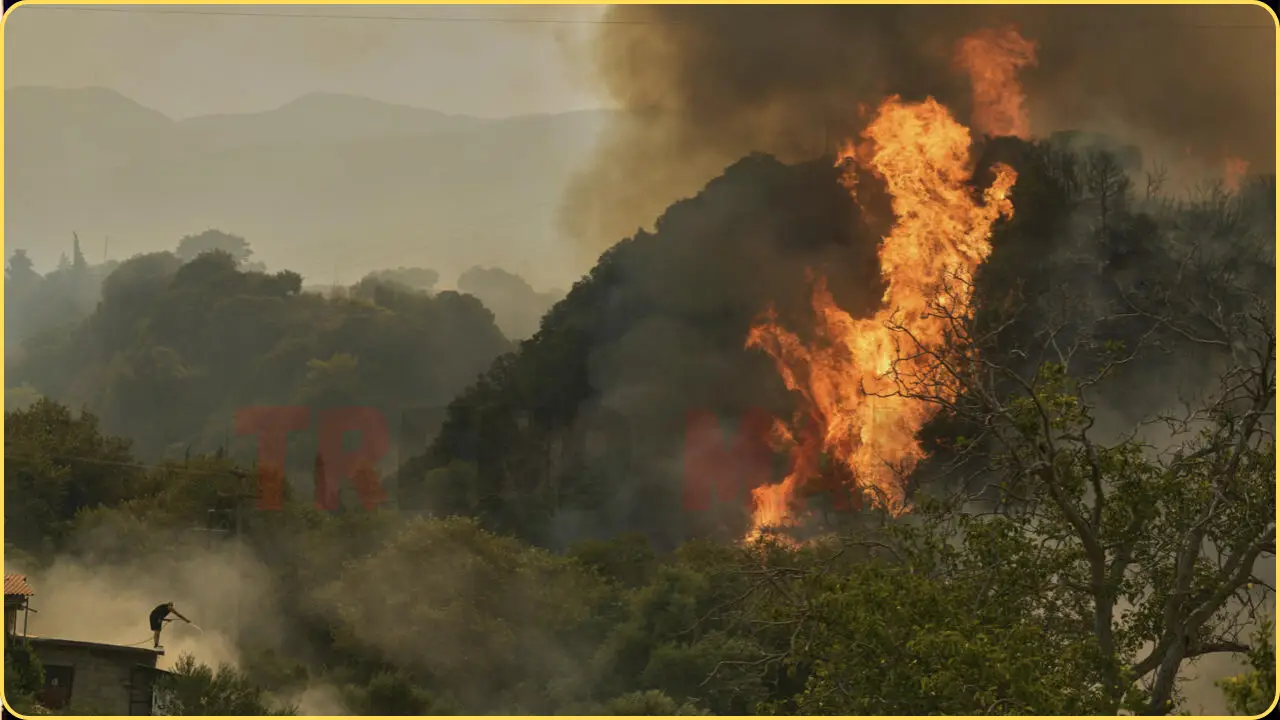
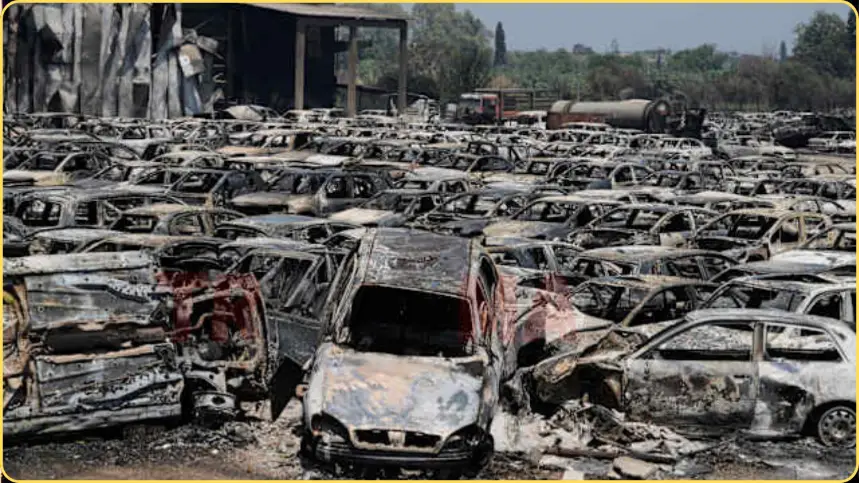
In Greece, the port city of Patras, the country’s third-largest, is under siege as wildfires rage through nearby pine forests and olive groves. Firefighters fought through the night to protect homes and agricultural facilities, with dramatic scenes of towering flames erupting behind apartment blocks on the city’s outskirts. Dozens of vehicles were destroyed when flames swept through a nearby impound lot.
“Today is another very difficult day with the level of fire risk remaining very high across many parts of the country,” said a Fire Service spokesperson. Residents have joined the effort, using branches and buckets of water to fend off the flames, while water-dropping planes and helicopters provide critical support from above. On the island of Chios, exhausted firefighters were seen resting on roadsides after relentless shifts.
Fatalities and Evacuations Across Borders
The wildfires have proven deadly in multiple countries. In Albania, an 80-year-old man lost his life in a blaze south of the capital, Tirana. Four villages in central Albania were evacuated near a former army ammunition depot, and in the southern Korca district, explosions from buried World War II-era artillery shells added to the chaos.

In Spain, a volunteer firefighter died in the Castile and León region, where thousands have been forced from their homes. Spanish Prime Minister Pedro Sánchez offered condolences, urging caution and praising the tireless efforts of emergency responders. In Turkey, a forestry worker was killed in a fire truck accident in the south, with four others injured, marking the 18th wildfire-related death in the country since late June.
Communities Fight Back
Across the affected regions, residents and firefighters are working together to combat the fires. In Spain, evacuation centers are overflowing, with some people sleeping on folding beds outdoors. Rural communities have resorted to hosing down their homes to protect them from advancing flames.
In Greece, aircraft are rotating between blazes in Patras, Zakynthos, and the western mainland, while Athens has sent aid to Albania to bolster international efforts. France, still recovering from recent fires, faces temperatures up to 42°C (108°F) for the third day, prompting weather alerts and restrictions on public events.
In North Macedonia, authorities suspect arson linked to rogue developers, with a blaze threatening a nature reserve near Skopje.
Causes and International Response
The fires have been attributed to a mix of factors, including careless farming practices, poorly maintained power cables, summer lightning storms, and suspected arson in some areas. The European Union has stepped in with aid, providing ground crews and water-dropping aircraft to both member and non-member states.
Montenegro, struggling with fires near its capital, Podgorica, has welcomed international support. “Natural disasters know no borders,” said the head of Montenegro’s civil protection agency, highlighting the need for collective action. As the fires continue to burn, southern Europe remains on high alert, with communities bracing for more challenges in the days ahead.