




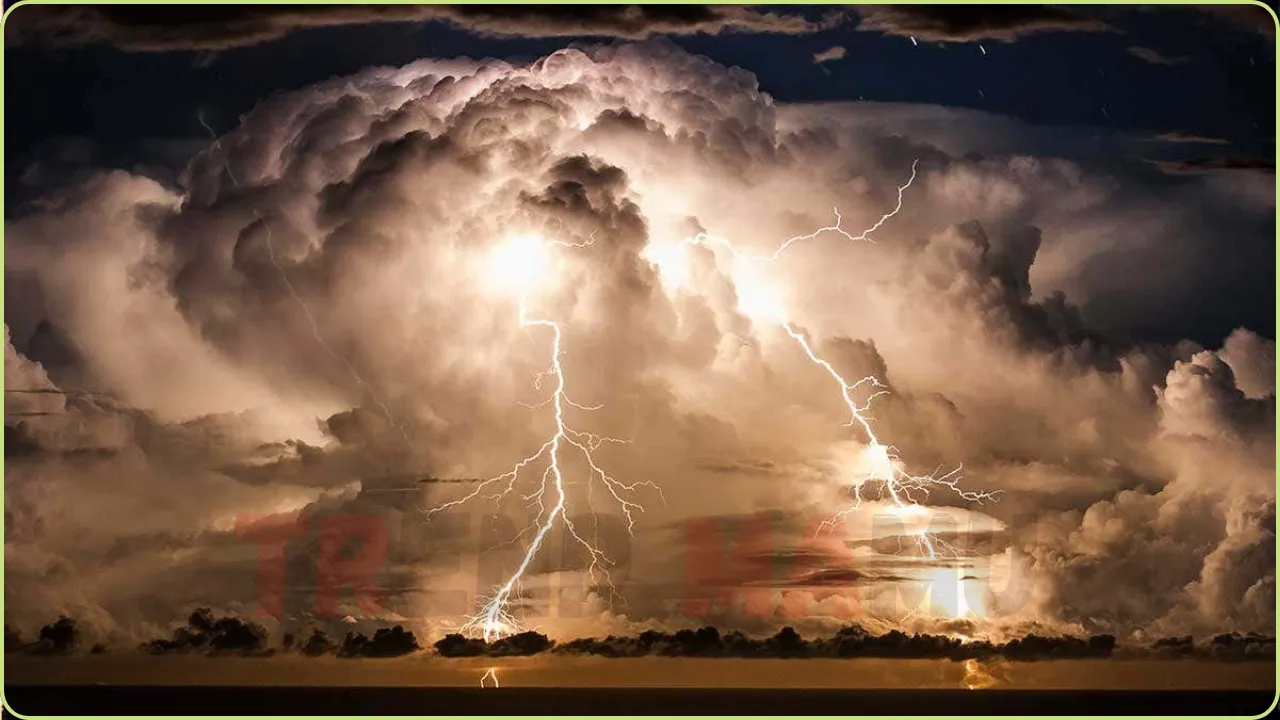
You Won’t Believe the Chaos This Severe Thunderstorm Warning Unleashed!
Severe thunderstorms are no joke, and recent warnings across multiple regions have people on edge, scrambling for safety, and bracing for nature’s fury. From howling winds to hail the size of quarters, these storms are packing a punch that could disrupt lives and damage property.
With reports flooding in from places like Boston, Connecticut, and Florida, the National Weather Service (NWS) has been sounding the alarm, urging residents to take cover. Here’s everything you need to know about the latest severe thunderstorm warnings, what they mean, and how to stay safe when the skies turn dark.
What’s Behind the Severe Thunderstorm Warnings?
The NWS issues a severe thunderstorm warning when conditions are ripe for storms with winds of 58 mph or higher, hail one inch or larger, or the potential for tornadoes. These warnings are hyper-local, often covering specific counties or cities, and are meant to prompt immediate action.
Recent posts on X highlight the urgency, with warnings issued for areas like Boston, Rhode Island, and parts of Connecticut, where quarter-sized hail and winds up to 65 mph were reported. In Florida, residents are on high alert as storms threaten to wreak havoc, with advice circulating on how to protect homes from the onslaught.
These storms are fueled by a volatile mix of heat, humidity, and atmospheric instability, often sparked by summer’s intense weather patterns. The result? A chaotic blend of lightning, torrential rain, and damaging winds that can topple trees, knock out power, and flood streets in minutes. The NWS emphasizes that these warnings aren’t to be taken lightly—unlike a watch, which signals potential, a warning means the threat is imminent or already happening.
The Impact: Power Outages, Damage, and Disruption
When a severe thunderstorm hits, the consequences can be immediate and widespread. In Iowa, a recent warning included confirmed winds of 90 mph, described as a “life-threatening situation” by weather experts. Such winds can rip roofs off buildings, shatter windows, and turn debris into dangerous projectiles. In urban areas like Boston, the risk of flash flooding looms large, especially when heavy rain overwhelms drainage systems.
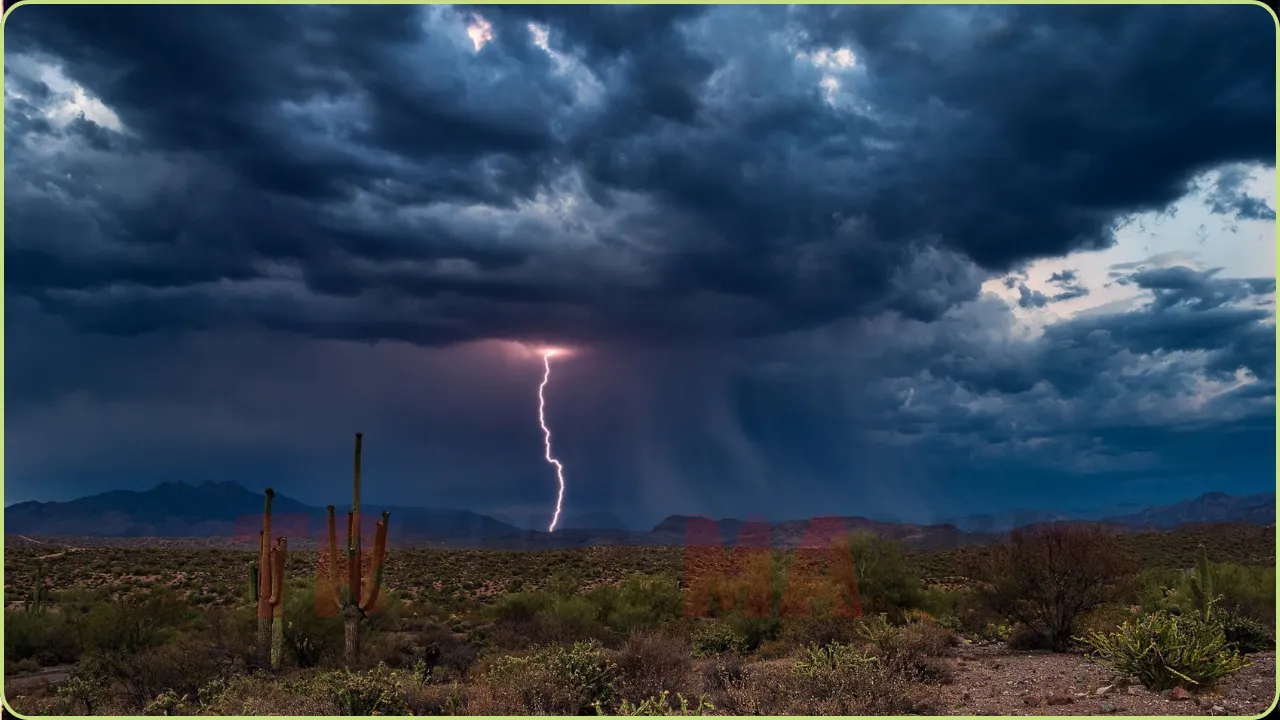
Power outages are another major concern. Severe storms often bring down power lines, leaving thousands in the dark. In Connecticut, recent warnings highlighted the potential for prolonged outages due to high winds and fallen trees. Property damage is also a significant issue, with hail capable of denting cars and shattering windows. Homeowners are urged to secure outdoor items and inspect roofs regularly to mitigate risks.
The human toll can’t be ignored either. Severe thunderstorms can disrupt travel, delay flights, and make roads treacherous. In rural areas, like the Foothills, ominous storm clouds signal the need for extra caution, as flash floods can sweep away vehicles. For businesses, the economic impact of storm-related disruptions can be significant, with downtime and repairs eating into profits.
How to Stay Safe During a Severe Thunderstorm Warning
Safety is paramount when a severe thunderstorm warning is issued. The NWS recommends seeking shelter immediately, preferably in a sturdy building away from windows. If you’re caught outside, avoid open fields or tall objects like trees, which can attract lightning. Here are some key tips to stay safe:
Find Shelter Fast: Head to an interior room on the lowest floor of a building. Basements are ideal, but a windowless bathroom or closet works in a pinch.
Avoid Water and Electronics: Lightning can strike through plumbing or wired devices. Don’t shower or use plugged-in appliances during the storm.
Stay Informed: Use a weather app or battery-powered radio to track the storm’s progress. Posts on X often provide real-time updates from local news outlets.
Prepare Your Home: Secure outdoor furniture, check your roof for vulnerabilities, and keep an emergency kit with essentials like water, food, and flashlights.
For drivers, the advice is clear: pull over if visibility drops or roads become hazardous. Flash floods are a leading cause of storm-related deaths, so never attempt to drive through flooded areas.
Why These Storms Are Getting More Intense
Climate experts point to a troubling trend: severe thunderstorms are becoming more frequent and intense due to climate change. Rising global temperatures create more heat and moisture in the atmosphere, fueling powerful storms. This summer alone, regions across the U.S. have seen an uptick in severe weather events, from tornadoes in the Midwest to flash floods in the Northeast.
The science is clear—warmer air holds more water vapor, leading to heavier rainfall and stronger winds. Urban sprawl also exacerbates flooding, as concrete-heavy cities struggle to absorb rainwater. These factors combine to make severe thunderstorm warnings a growing concern for communities nationwide.
What to Do After the Storm Passes
Once the warning is lifted, the danger isn’t entirely over. Downed power lines, flooded roads, and damaged structures pose ongoing risks. Check your property for damage, but avoid touching anything near power lines. Report outages to your utility provider and document any damage for insurance claims.
Communities often rally together post-storm, with neighbors helping to clear debris or share resources. Social media platforms like X can be a lifeline, offering updates on recovery efforts and local assistance. If flooding occurred, be cautious of contaminated water and avoid wading through it without protective gear.
The Bottom Line: Don’t Ignore the Warning
Severe thunderstorm warnings are a call to action. With winds strong enough to topple trees, hail that can shatter windows, and the ever-present threat of flash floods, these storms demand respect.
By staying informed, preparing your home, and knowing how to stay safe, you can weather the storm and come out unscathed. The next time you see a warning pop up on your phone or hear it on the news, don’t hesitate—act fast, stay safe, and keep an eye on the skies.