




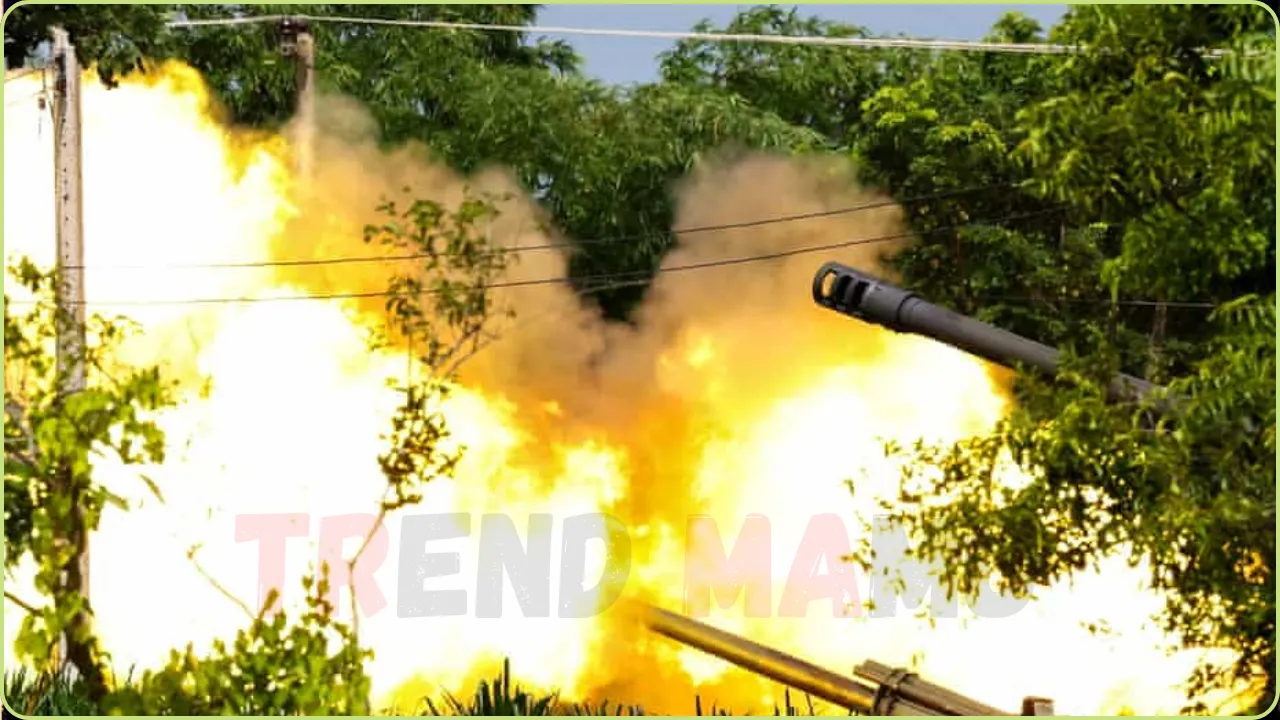
Cambodia Urges Immediate Ceasefire as Thailand-Cambodia Border Clashes Escalate, Killing 32. As deadly clashes along the Thailand-Cambodia border entered a third day on July 26, 2025, Cambodia’s UN ambassador, Chhea Keo, called for an “immediate, unconditional ceasefire” and a peaceful resolution following a closed UN Security Council meeting.
The conflict, the worst in 14 years, has killed at least 32 people—19 in Thailand (13 civilians, 6 soldiers) and 13 in Cambodia (7 civilians, 5 soldiers)—and displaced over 161,000, with Thailand evacuating 138,000 and Cambodia 23,000. Fueled by a century-old border dispute, the fighting involves heavy artillery, rockets, and Thai F-16 airstrikes, prompting global concern and diplomatic efforts.
This article analyzes the crisis, its triggers, and the path to de-escalation, incorporating the latest updates and historical context.
Escalation and Humanitarian Toll
The clashes, centered around contested areas like the Ta Muen Thom temple in Thailand’s Surin province and Cambodia’s Oddar Meanchey province, erupted on July 24 after months of rising tensions. Thai authorities reported heavy Cambodian shelling, including BM-21 Grad rockets, targeting civilian areas, with a hospital and petrol station hit in Sisaket province, killing six civilians, including an eight-year-old boy. Cambodia accused Thailand of initiating hostilities with “unprovoked” attacks and using cluster munitions, a claim Thailand has not addressed but which, if true, violates international law due to their indiscriminate impact.
On Saturday, Cambodia reported five heavy artillery shells striking Pursat province, escalating the conflict to new areas. Thai Health Minister Somsak Thepsuthin condemned the hospital attack as a “war crime,” while Cambodia’s Gen. Maly Socheata demanded Thailand halt “hostile actions.”
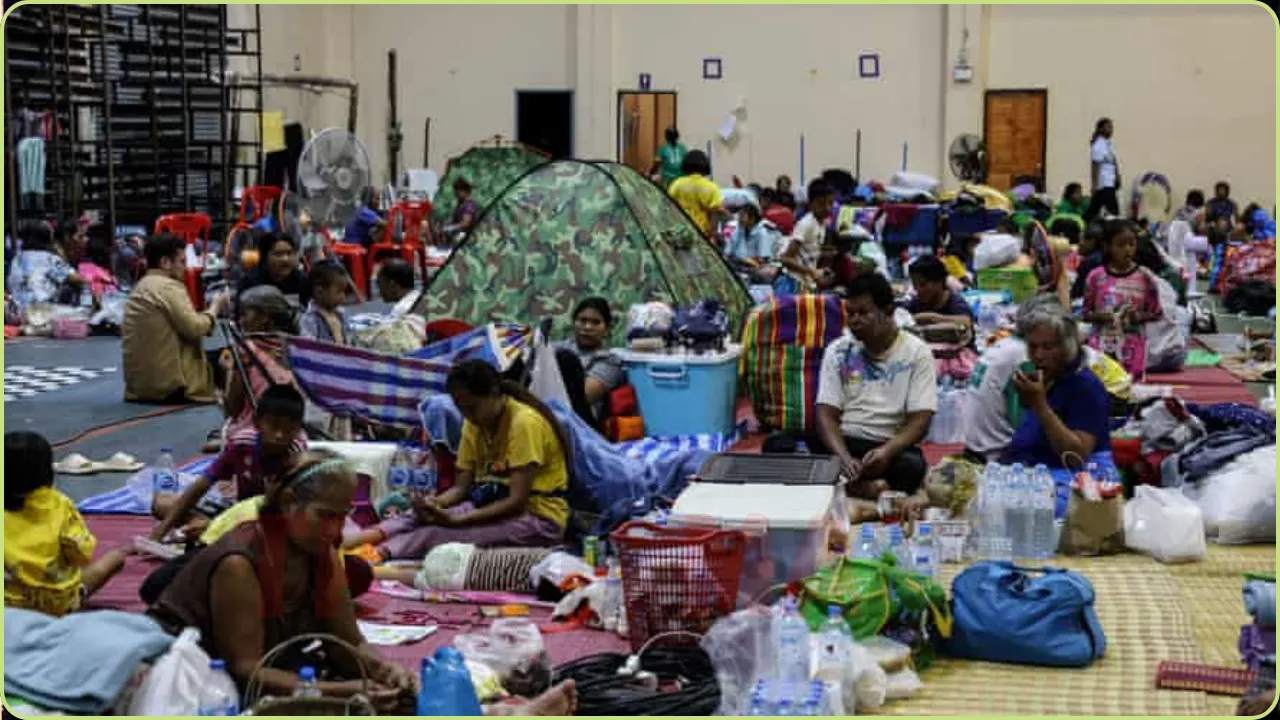
Over 138,000 Thais from Surin, Sisaket, Ubon Ratchathani, and Buriram provinces have fled to shelters like Surindra Rajabhat University, where evacuees endure cramped conditions on straw mats. In Cambodia, 23,000 have been displaced, with one civilian killed in a pagoda hit by a Thai rocket. Thai military sources claimed on July 25, unverified by The New York Times, that nearly 100 Cambodian soldiers were killed near Ta Muen Thom, highlighting the intensity of the fighting across 12 border locations.
Historical Roots and Recent Triggers
The dispute traces back to the 1907 Franco-Siamese Treaty, which left parts of the 800-km border ambiguous, particularly around ancient Khmer temples like Preah Vihear, awarded to Cambodia by the ICJ in 1962 and reaffirmed in 2013. Clashes in 2008–2011 killed 28–37 and displaced tens of thousands, driven by nationalist fervor over Cambodia’s UNESCO bid for Preah Vihear.
The current crisis began in May 2025 with a Cambodian soldier’s death in the Emerald Triangle, followed by a Thai soldier’s injury from a landmine on July 23, which Thailand alleges was newly laid by Cambodia—a charge Cambodia denies, citing old ordnance. A leaked call between suspended Thai PM Paetongtarn Shinawatra and Cambodia’s Hun Sen, where she appeared deferential, fueled Thai outrage, collapsing her coalition and escalating tensions.
Diplomatic Efforts and International Response
Cambodia’s call for a ceasefire, backed by Hun Manet’s support for a Malaysian ASEAN proposal, contrasts with Thailand’s conditional openness to talks. Thai Foreign Ministry spokesperson Nikorndej Balankura rejected third-party mediation, insisting on bilateral channels and accusing Cambodia of ongoing attacks.
Malaysia’s PM Anwar Ibrahim, ASEAN chair, reported initial willingness from both sides, but Hun Manet claimed Thailand reneged. The U.S., a Thai ally, and China, close to Cambodia, urged an immediate end to hostilities, with China offering to mediate. The UN, EU, France, and Australia echoed calls for restraint, with UNICEF highlighting risks to civilians, especially children.
Military Disparity and Strategic Dynamics
Thailand’s military, with a $5.73 billion budget, 360,000 personnel, 28 F-16s, and 400 tanks, vastly outmatches Cambodia’s $1.3 billion budget, 124,300 personnel, and smaller air and naval forces. Thailand’s F-16 strikes and martial law in eight border districts underscore its aggressive posture, while Cambodia’s BM-21 rockets signal defiance despite its limitations. X posts suggest a “slow-burn war” in a “gray zone,” with Thai airstrikes hitting targets near Ta Muen Thom and Samrong. Cambodia’s accusations of cluster munitions, if substantiated, could prompt international investigations, complicating diplomacy.
Outlook: A Fragile Path to Peace
With fighting persisting into Saturday and no ceasefire in sight, the conflict risks broader escalation, as warned by Acting Thai PM Phumtham Wechayachai. The UN Security Council’s emergency meeting has yet to yield a breakthrough, and personal rivalries, like Hun Sen’s leaked call with Paetongtarn, deepen mistrust.
Evacuees like Suphap Wongwai in Surin express fear for their families, while Cambodia reports damage to Preah Vihear, a UNESCO site. A diplomatic resolution hinges on both sides halting hostilities, but Thailand’s military superiority and Cambodia’s resolve suggest a prolonged standoff unless ASEAN or UN mediation gains traction.