




Germany Non-alcoholic Beer Bust: Why Young Germans Are Ditching Alcohol for Lager!
Shifting Tastes in a Beer-Loving Nation
Germany, long celebrated for its beer culture, is witnessing a surprising shift. Beer sales have plummeted to their lowest in over 30 years, according to recent data. Yet, non-alcoholic beer is soaring in popularity, especially among younger Germans.
The federal statistics office reports a staggering 109% rise in non-alcoholic beer sales since 2013. In contrast, overall beer consumption dropped by 6.3% in the first half of 2025. This decline saw sales fall below 4 billion litres in a six-month period for the first time.
The drop equates to 262 million litres less beer sold compared to last year. Breweries across Germany are grappling with this change in drinking habits. The trend reflects a growing health consciousness among younger generations.
Traditional beer remains a cornerstone of German identity. However, the rise of non-alcoholic options signals a cultural shift. Brewers are now racing to adapt to these new preferences.
Breweries Pivot to Non-Alcoholic Bear Trends
At Erdinger brewery near Munich, non-alcoholic beer is a growing focus. Established in the 1880s, the brewery now dedicates a quarter of its production to alcohol-free varieties. Chief executive Stefan Kreisz sees this as a response to changing consumer habits.

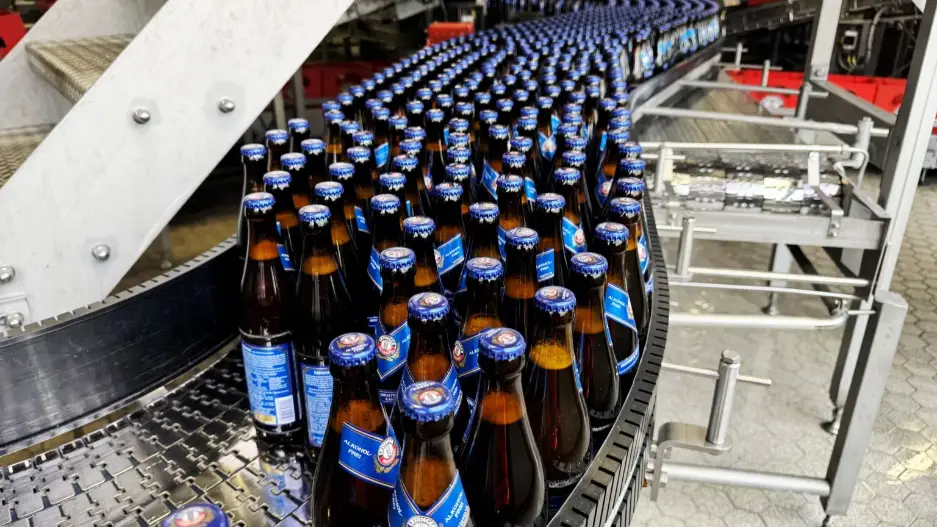
Kreisz believes beer culture remains strong despite declining sales. “We need to make beer attractive for young people,” he said. His company is promoting non-alcoholic beer as a healthy alternative at sporting events.
The appeal of alcohol-free beer lies in its fit with modern lifestyles. Young Germans are increasingly prioritizing health and wellness. Non-alcoholic options allow them to enjoy beer’s taste without the alcohol’s effects.
Erdinger’s efforts reflect a broader industry trend. Breweries are innovating to capture the youth market. Marketing alcohol-free beer as a trendy, health-conscious choice is proving effective.
At Munich’s Café Kosmos, barman Louis von Tucher has noticed a shift. Customers are more mindful of their drinking habits. “People are more conscious about their consumption,” he observed.
In the past, suggesting a glass of water might have offended patrons. Now, many happily alternate between alcoholic and non-alcoholic drinks. This change highlights a growing awareness of health among younger drinkers.
Despite the rise of non-alcoholic beer, traditional beer still dominates. Von Tucher estimates that his bar sells 150 to 500 litres of regular beer nightly. In comparison, non-alcoholic beer accounts for about 20 litres.
The gap remains significant, but the trend is clear. Health-conscious choices are reshaping Germany’s drinking culture. Non-alcoholic beer is carving out a notable niche.
Beer Culture Thrives at Festivals
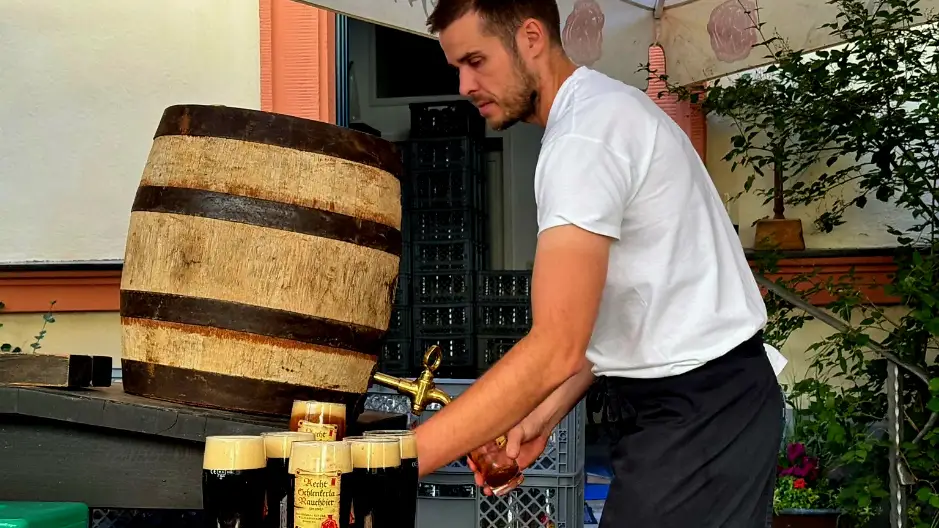
In Bamberg, a town steeped in brewing tradition, beer remains king. The annual Sandkerwa folk festival draws crowds to its medieval streets. Beer stalls and sausage stands create a lively atmosphere.
Locals like Pascal, enjoying a beer with friends, see no decline in Bamberg’s beer culture. “Beer is very important for the city,” he said. The town’s many breweries are a source of pride.
The festival showcases Germany’s enduring love for beer. Musicians and vendors fill the streets, with beer flowing freely. Visitors flock to Bamberg for its brews and festive spirit.
Magdalena, a student, echoed Pascal’s sentiments. “Everybody has a glass of beer in their hand,” she noted. In Bavaria, beer remains a vital part of daily life.
Despite health concerns, beer’s cultural significance endures. Magdalena acknowledged that her generation drinks less regularly. Yet, festivals like Sandkerwa keep the tradition alive.
Bavaria’s beer culture is deeply rooted in its history. Local breweries continue to thrive, drawing both locals and tourists. The region’s identity is inseparable from its beer heritage.
A Health-Conscious Future for Beer
The rise of non-alcoholic beer reflects broader societal changes. Young Germans are balancing tradition with modern values. Health and wellness are driving their choices.
Breweries are responding by diversifying their offerings. Non-alcoholic beer is no longer a niche product. It’s becoming a staple for health-conscious consumers.
The industry faces challenges as overall beer sales decline. Brewers must innovate to stay relevant. Marketing to younger audiences is now a priority.
Events like Sandkerwa show that traditional beer culture isn’t fading entirely. Festivals remain a stronghold for full-strength beer. However, non-alcoholic options are gaining ground even here.
Germany’s beer industry is at a crossroads. Brewers must cater to both traditionalists and health-conscious drinkers. The balance will shape the future of this iconic industry.
The popularity of non-alcoholic beer offers hope for breweries. It appeals to a generation that values moderation. This trend could help offset declining sales of traditional beer.
For now, Germany’s love for beer endures, albeit in new forms. Non-alcoholic lager is carving out a space in a changing market. The industry is adapting to meet modern demands.
Young Germans are redefining what it means to enjoy beer. They’re choosing options that align with their lifestyles. The rise of alcohol-free lager is a testament to this shift.
As breweries innovate, Germany’s beer culture remains vibrant. The challenge is to keep both old and new drinkers engaged. The future of German beer looks diverse and dynamic.