




Thailand-Cambodia Border Dispute: 100,000 Evacuated, 14 Dead in Escalating Clashes
On July 25, 2025, Thailand evacuated over 100,000 civilians from four border provinces—Surin, Sisaket, Ubon Ratchathani, and Buriram—amid the deadliest clashes with Cambodia in over a decade, with the death toll rising to 14, including an eight-year-old boy.
The conflict, centered around disputed border areas near the ancient Ta Muen Thom temple, erupted on July 24, escalating from small arms fire to heavy artillery, rocket attacks, and Thai F-16 airstrikes on Cambodian military targets.
Both nations blame each other for initiating the violence, which has displaced thousands, damaged civilian infrastructure, and heightened regional tensions. This article examines the ongoing crisis, its historical roots, and the international response, drawing on recent reports and regional context.
Escalation and Casualties
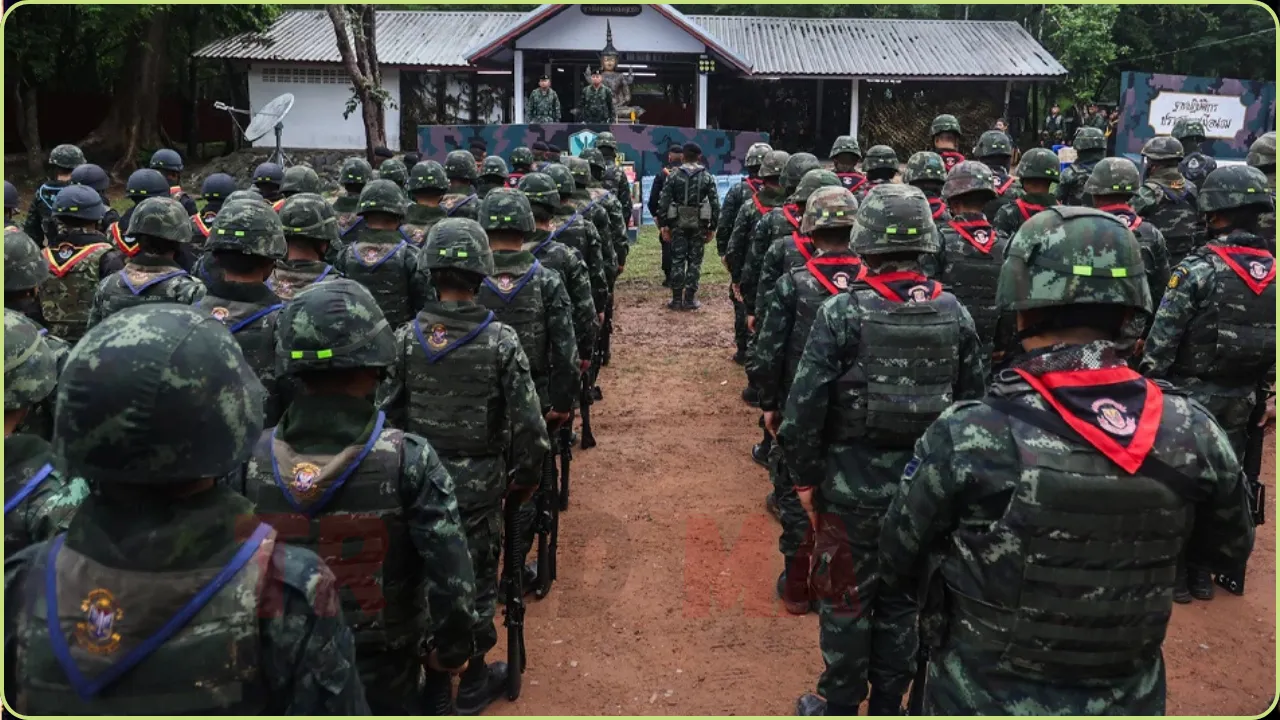
The clashes began early Thursday near Ta Muen Thom temple in Thailand’s Surin province and Cambodia’s Oddar Meanchey province, spreading to six locations along the 817-km (508-mile) border. Thailand reported 14 fatalities—13 civilians and one soldier—and 46 injuries, with shelling damaging homes, a hospital, and a gas station in Sisaket province.
Cambodia has not disclosed its casualties but accused Thailand of “unprovoked” attacks, while Thailand claimed Cambodian forces fired first, deploying drones and rockets. On Friday, fighting resumed at 4 AM in Chong Bok, Phu Makhuea, and Phanom Dong Rak, with Cambodia using heavy weapons, prompting Thai retaliation.
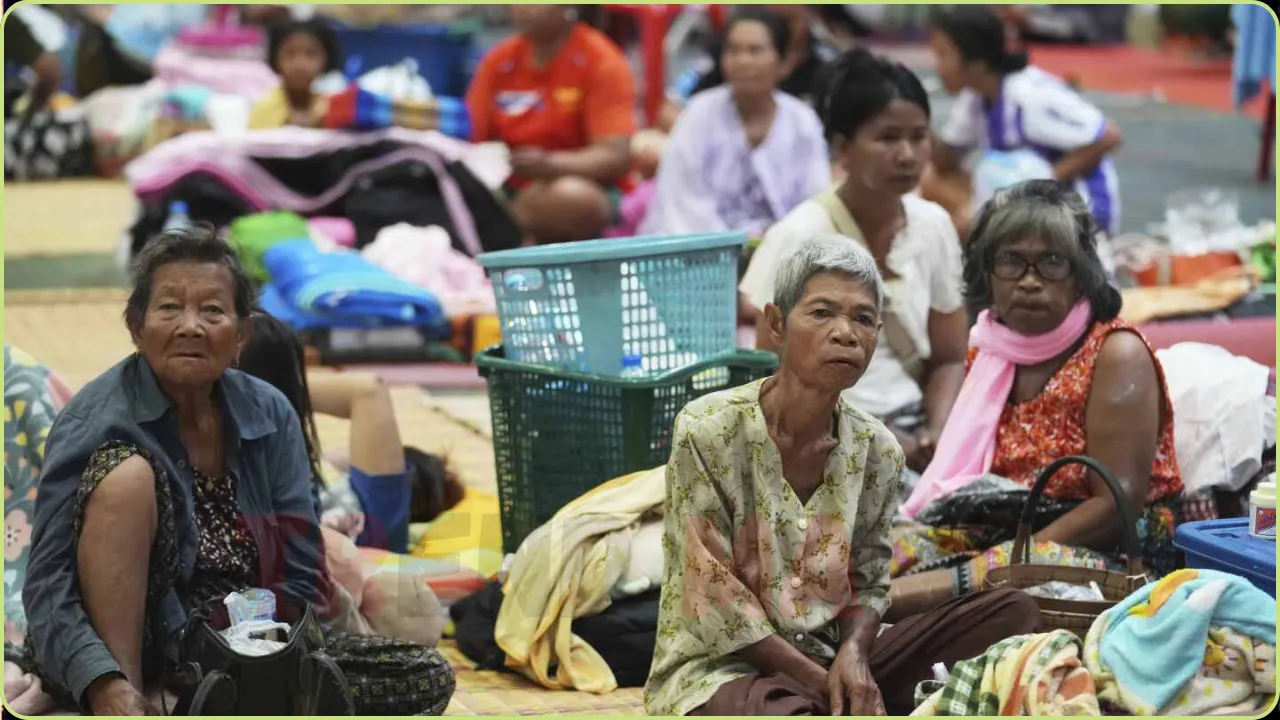
Over 100,672 Thai civilians have been relocated to shelters, such as Surindra Rajabhat University, where families huddle on straw mats amid intense heat, fearing further violence.
Historical Context and Triggers
The Thailand-Cambodia border dispute, rooted in ambiguous demarcations from the 1907 Franco-Siamese Treaty, has fueled nationalist tensions for over a century. The 1962 International Court of Justice (ICJ) ruling awarded Preah Vihear temple to Cambodia, but surrounding areas, including Ta Muen Thom, remain contested.
Tensions flared in 2008 when Cambodia sought UNESCO World Heritage status for Preah Vihear, leading to deadly clashes in 2011 that killed 15–20 and displaced tens of thousands. The current crisis was sparked in May 2025 when a Cambodian soldier died in a skirmish in the Emerald Triangle, followed by a Thai soldier losing a limb to a landmine on July 23, which Thailand alleged was newly laid by Cambodia—a claim Cambodia rejected as baseless, citing legacy ordnance from 20th-century conflicts.
Political and Diplomatic Fallout
The conflict has deepened a political crisis in Thailand, where Prime Minister Paetongtarn Shinawatra was suspended on July 1 after a leaked call with Cambodia’s former leader Hun Sen, in which she appeared deferential, sparking outrage and prompting a coalition partner to exit her government. Thailand recalled its ambassador and expelled Cambodia’s envoy, while Cambodia downgraded ties and banned Thai imports, including fruit, gas, and media.
Acting Premier Phumtham Wechayachai condemned Cambodia’s actions as violations of international law but insisted on pursuing dialogue, though he stressed Thailand’s right to self-defense. Cambodia’s Prime Minister Hun Manet, navigating his father Hun Sen’s influence, called for UN Security Council intervention, alleging Thai aggression. The UN was set to meet on July 25 to address the crisis.
International Response and Regional Concerns
The U.S., a Thai ally, and Japan urged an immediate ceasefire and civilian protection, with the U.S. State Department expressing “grave concern” over civilian harm. China, a key economic partner to both nations, advocated for dialogue, positioning itself as a potential mediator despite Thailand’s wariness of Beijing’s closer ties with Cambodia.
Malaysia’s Prime Minister Anwar Ibrahim, chair of ASEAN, called for de-escalation, but ASEAN’s non-interference policy limits its mediation role. The UK and U.S. issued travel advisories, warning against non-essential travel to border areas. The conflict’s escalation, involving Thai F-16 jets and Cambodian rocket fire, marks a significant departure from past skirmishes, raising fears of broader regional instability.
Humanitarian and Cultural Impact
The fighting has displaced over 100,000 Thais and an unknown number of Cambodians, with evacuees like Suphap Wongwai in Surin expressing fear for their children’s safety. Cambodia reported damage to Preah Vihear temple, a UNESCO World Heritage Site, calling it a “cultural disaster.” Thai authorities closed 582 schools and all border crossings, disrupting trade and travel.
Residents like Komsan Jaipeng, who fled with pre-packed bags, hope for a swift resolution, but ongoing clashes suggest prolonged unrest. The conflict’s toll—human, cultural, and diplomatic—underscores the urgent need for de-escalation and a lasting resolution to this century-old dispute.