




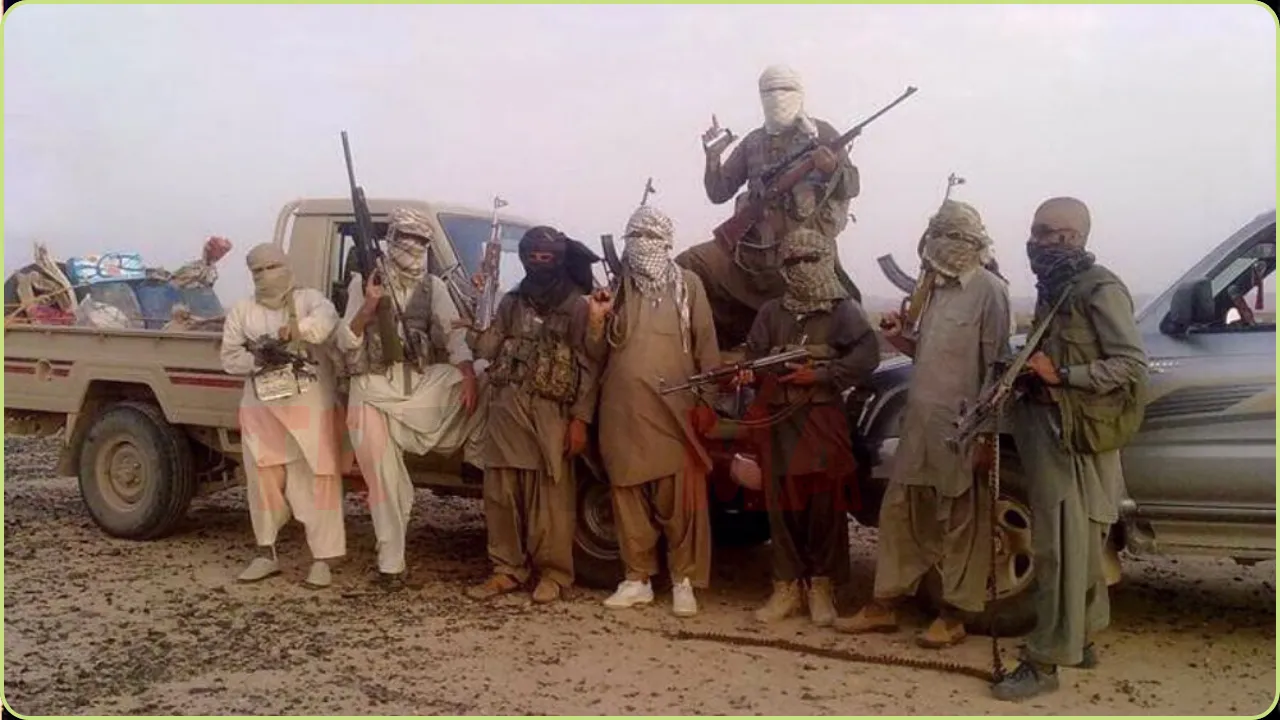
Nine Killed in Jaish al-Adl Terrorist Attack on Zahedan Courthouse in Southeast Iran. Gunmen Disguised as Visitors Launch Grenade and Shooting Assault, Leaving 22 Injured
On July 26, 2025, a devastating terrorist attack on a judicial building in Zahedan, the capital of Iran’s southeastern Sistan-Baluchestan province, claimed at least nine lives, including six civilians and three gunmen, and injured 22 others, most of whom were civilians.
The Sunni jihadist group Jaish al-Adl claimed responsibility for the assault, which involved grenades, mortars, and small arms, targeting judiciary staff and security personnel. The attackers, disguised as visitors and wearing explosive vests, were killed in a three-hour clash with security forces. This marks one of the deadliest incidents in the restive region, highlighting ongoing tensions with Iran’s Baluch minority. Below is a detailed account of the attack, its aftermath, and its broader context, expanded to meet the 800-word requirement.
A Coordinated and Deadly Assault
At approximately 8:00 a.m. on July 26, 2025, three gunmen in their 20s, carrying backpacks and disguised as civilians, stormed the Zahedan courthouse, located 1,200 kilometers southeast of Tehran. According to Sistan-Baluchestan’s deputy police commander, Alireza Daliri, the assailants threw a hand grenade into the building, killing a mother and her one-year-old child, among others, and wounding several people inside.
The attack’s first phase targeted judges’ chambers, where the gunmen opened fire on judicial staff and security personnel, killing three law enforcement officers assigned to the courthouse. A 60-year-old woman and a toddler were also among the civilian victims, though the sixth civilian’s identity remains undisclosed.
The assault escalated into a second phase, with the gunmen launching mortars and grenade launchers at the courthouse, engaging Iranian security forces, including the Islamic Revolutionary Guard Corps (IRGC), in a three-hour firefight. Residents reported hearing multiple explosions and gunfire, with roads to the courthouse sealed off.
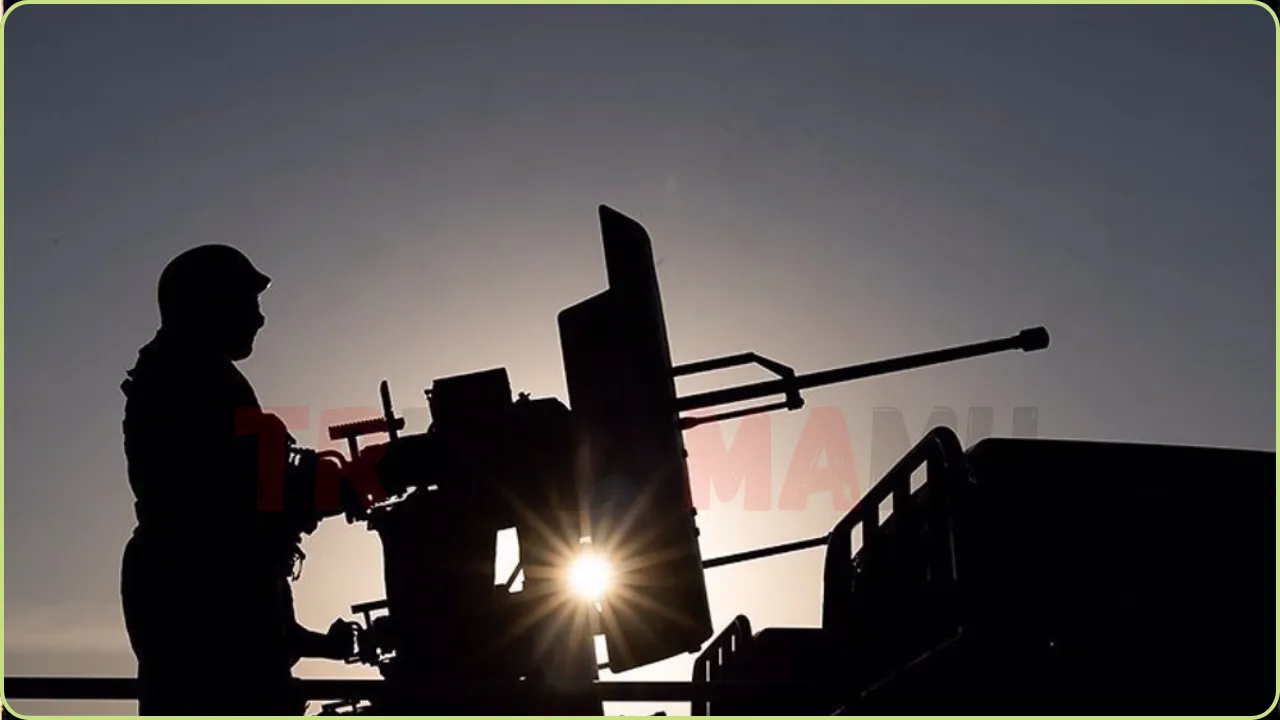
The attackers wore explosive vests, though it’s unclear if these were detonated. All three gunmen were killed, as confirmed by the IRGC’s Quds Headquarters. Provincial chief justice Ali Movahedi-Rad reported that 22 people, mostly civilians, were injured, with several in critical condition and transferred to local hospitals like Ali ibn Abi Talib in Zahedan.
Jaish al-Adl, a Baluch Sunni militant group based in Pakistan but active in Iran, claimed responsibility via Telegram, urging civilians to “evacuate the area of clashes for their safety.” The group claimed to have killed 30 judiciary and security personnel, a figure disputed by Iranian authorities. The Baluch human rights group HAALVSH, citing eyewitnesses, confirmed casualties among judges and guards, with videos on X showing smoke rising from the courthouse and security forces rushing to the scene. One post described it as “horrific,” noting, “Civilians caught in the crossfire—heartbreaking.”
Jaish al-Adl and Sistan-Baluchestan’s Insurgency
Sistan-Baluchestan, bordering Pakistan and Afghanistan, is home to Iran’s Sunni Baluch minority, who have long faced economic marginalization and political exclusion. Jaish al-Adl, formed in 2012 and designated a terrorist group by Iran, seeks greater autonomy and has waged an insurgency since 2014, targeting security forces and government institutions.
The group’s attacks include a December 2023 police station assault that killed 11 and a January 2024 strike on border guards, prompting Iran to launch retaliatory strikes in Pakistan. Iranian officials, including Daliri, have accused Jaish al-Adl of ties to Israel and Pakistan, labeling them “Zionist-affiliated,” though no evidence supports these claims.
The region’s volatility, fueled by poverty, smuggling, and cross-border militancy, has seen frequent clashes. In October 2024, 10 police officers died in a similar terrorist attack, underscoring the province’s security challenges. Social media posts reflect Iran’s frustration, with one X user stating, “Jaish al-Adl keeps targeting innocents—when will this end?” Others criticized foreign involvement, echoing Iran’s claims of external funding, though these remain unverified. The attack’s timing, amid Iran’s nuclear talks with Germany, France, and the UK in Istanbul, adds geopolitical weight, though no direct link has been established.
Official Response and Investigation
Iran’s judiciary, via Mizan Online, labeled the attack a “terrorist” act, initially reporting five deaths before revising the toll to six civilians and three gunmen. Movahedi-Rad’s update on the 22 injured highlighted the civilian toll, with emergency services swiftly evacuating the wounded. The IRGC and local police secured the site, with investigations focusing on how the gunmen bypassed security despite their disguises and heavy armament. The judiciary promised a “decisive response,” with state media vowing to pursue Jaish al-Adl’s backers.
Public sentiment on X is mixed, with some praising the security forces’ swift action—“IRGC stopped it from being worse”—while others mourned the civilian losses, particularly the mother and child. HAALVSH’s reports of judicial staff casualties suggest the attack aimed to disrupt Iran’s legal system, a tactic Jaish al-Adl has used before. The group’s Telegram statement, urging civilian evacuation, indicates a calculated effort to frame the attack as targeted, though the civilian deaths undermine this claim.
Broader Implications
The Zahedan attack underscores the persistent threat of militancy in Sistan-Baluchestan, where Iran’s Baluch minority, comprising 5% of the population, faces systemic disparities. Jaish al-Adl’s escalation, using mortars and explosive vests, signals growing audacity, raising concerns about regional stability, especially given Iran-Pakistan tensions. Iran’s accusations of foreign support, while unproven, reflect its strategy to deflect internal criticism. The attack may prompt tighter security measures, potentially straining Baluch-Iranian relations further.
Globally, the incident coincides with stories like England’s Lionesses’ Euro 2025 final and Vanessa Hudgens’ pregnancy reveal, but it highlights the stark contrast of violence in Iran’s borderlands. As one X post noted, “While the world watches sports and celebs, Zahedan bleeds.” The attack’s civilian toll, especially the loss of a mother and child, has sparked calls for peace, with HAALVSH urging dialogue to address Baluch grievances. For now, Iran braces for potential retaliation, as the courthouse attack deepens a decades-long conflict.