




Russia Invincible Missile Test Sparks Fear in Europe Ahead of Putin-Trump Talks
A Tense Prelude to Diplomacy
As global attention turns to an upcoming meeting between Russian President Vladimir Putin and US President Donald Trump, set for August 15, 2025, in Alaska to address the ongoing Ukraine conflict, tensions are rising. The high-stakes summit aims to tackle one of the most pressing geopolitical issues, but recent statements from Trump have added fuel to the fire.
Describing Russia’s economy as “in crisis” and suggesting this prompted Putin’s call for talks, Trump’s remarks have stirred controversy. In response, Russia appears to be flexing its military muscle, with reports indicating preparations for a test of the 9M730 Burevestnik, a nuclear-powered cruise missile dubbed “invincible” by Putin. This move has sent ripples of concern across Europe, where fears of escalation are mounvessels
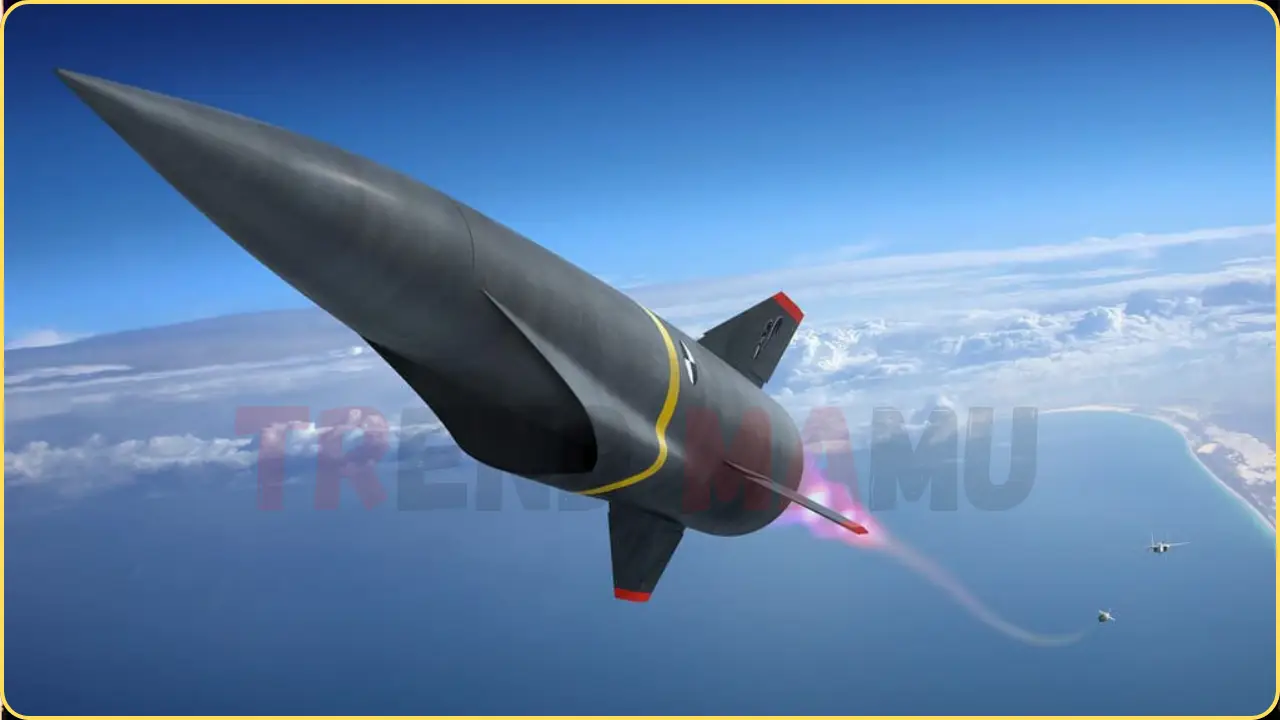
The Burevestnik: A Game-Changing Weapon
The 9M730 Burevestnik, known to NATO as SSC-X-9 Skyfall, is no ordinary missile. Its revolutionary design incorporates a nuclear propulsion system, granting it theoretically unlimited range. Unlike traditional missiles, which rely on fuel that limits their distance, the Burevestnik can, in theory, travel across the globe multiple times before striking its target. This capability, combined with its ability to carry nuclear warheads, makes it a formidable weapon.
If the upcoming test in the Novaya Zemlya archipelago is successful, Russia would become the first nation to deploy an operational nuclear-powered cruise missile, a milestone that could shift global military dynamics. Military experts highlight its low-altitude flight and unpredictable path, which could evade even the most advanced air defense systems.
Preparations Signal Imminent Test
Russia has taken significant steps to prepare for the Burevestnik test, scheduled between August 7 and August 12, 2025. A Notice to Airmen (NOTAM) has been issued, closing off 40,000 square kilometers of airspace over the Novaya Zemlya archipelago in the Arctic. This remote region, a historic site for Russian nuclear testing, is now under intense scrutiny.
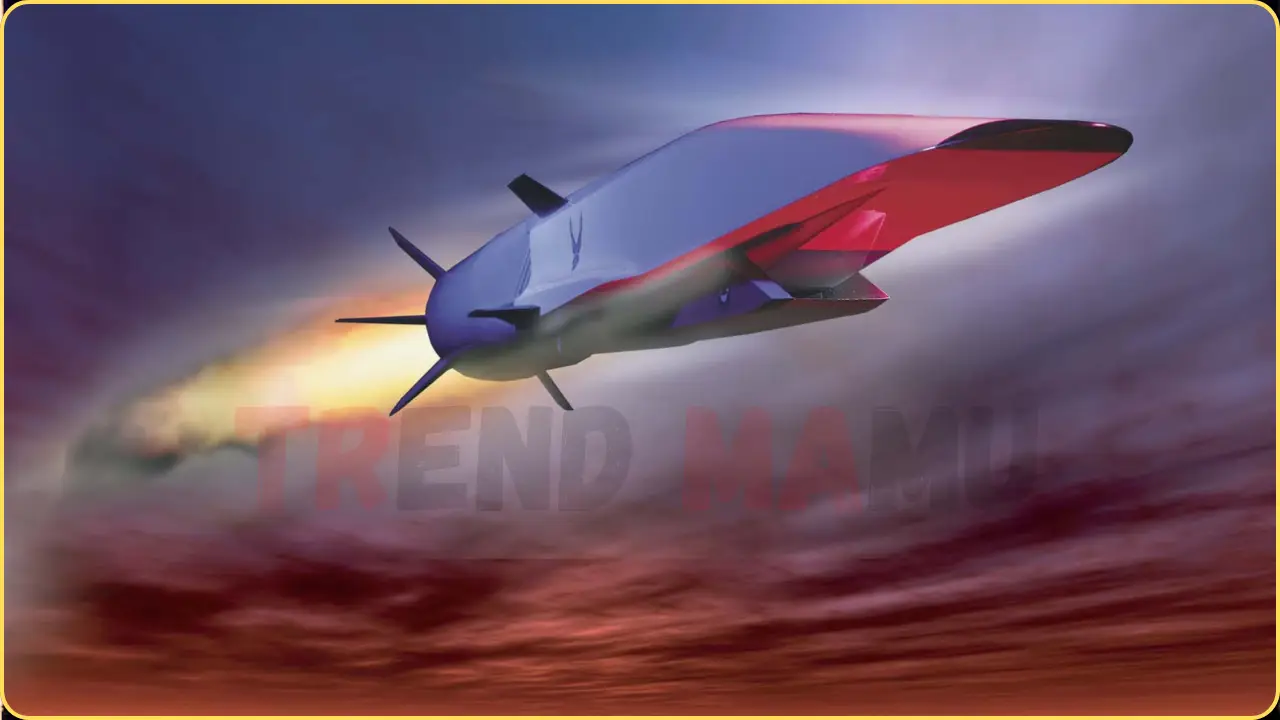
Additionally, four Russian vessels previously stationed near the Pankovo test range have moved to observation posts in the eastern Barents Sea, a standard safety measure for major missile tests. The deployment of Rosatom ships and aircraft to monitor radiation levels further underscores the high-risk nature of the test, given the missile’s nuclear propulsion system.
Why Europe Is Alarmed
The timing of the Burevestnik test, just days before the Putin-Trump summit, has heightened fears in Europe. The missile’s ability to strike any target globally, combined with its potential to bypass missile defenses, poses a significant threat. European nations, particularly those near Russia’s borders, are concerned about the implications of a successful test.
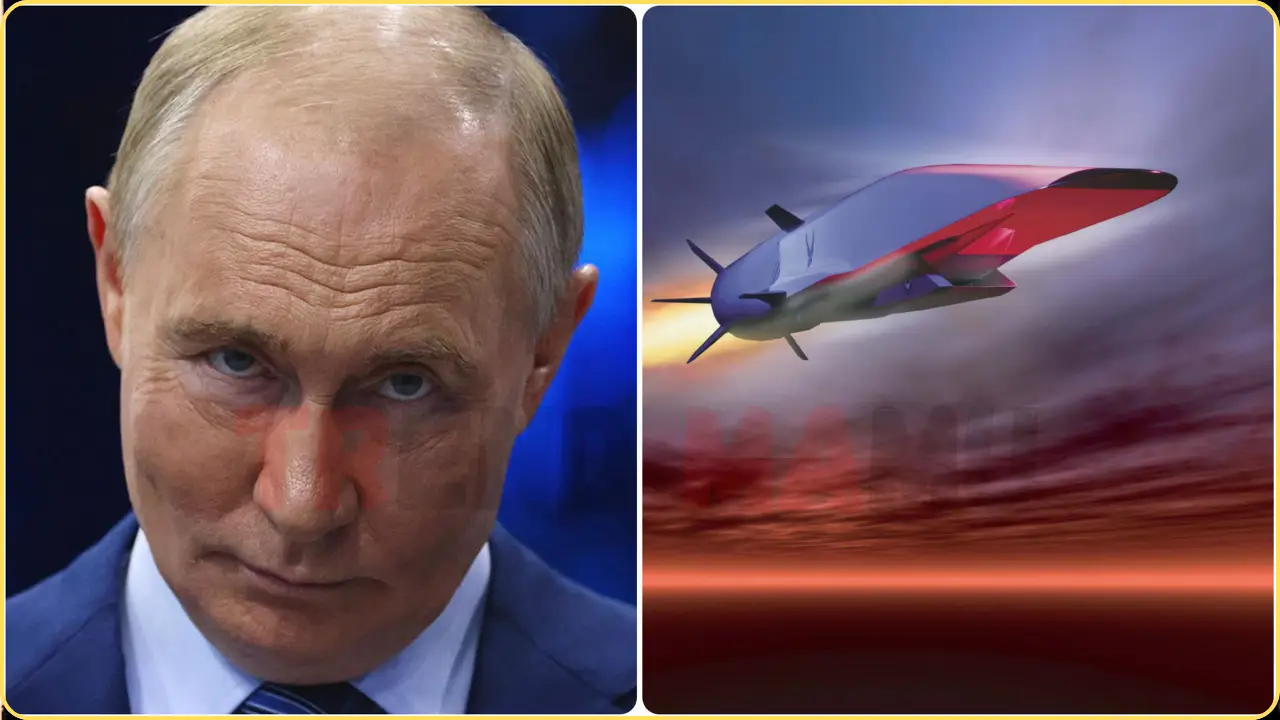
The Burevestnik’s nuclear propulsion raises additional worries about radioactive emissions, especially after a 2019 test failure resulted in an explosion that killed several scientists and released radiation. Norway, whose Finnmark region is less than 1,000 kilometers from Novaya Zemlya, has expressed particular concern. The US has also deployed a WC-135R “nuke sniffer” aircraft to monitor potential radiation in the region, signaling heightened vigilance.
Putin’s Strategic Message
The Burevestnik test appears to be more than a technical exercise—it’s a bold statement of Russia’s military prowess. Putin has called the missile “invincible,” emphasizing its ability to change direction mid-flight, making it nearly impossible to intercept.
The US Air Force’s National Air and Space Intelligence Center has noted that a fully operational Burevestnik would give Russia a “unique weapon with intercontinental-range capability.” Amid strained US-Russia relations and the looming expiration of the New START treaty in 2026, the test could serve as a bargaining chip in negotiations or a warning to the West. As Europe watches anxiously, the test’s outcome could reshape global security dynamics.