




Russia’s Bold Move: Cancer Vaccine Trials Set to Shake Up Global Health!
Russia is gearing up to launch groundbreaking human trials for a personalized mRNA cancer vaccine aimed at tackling melanoma, a serious form of skin cancer. This exciting development, announced by the Gamaleya Center famous for creating the Sputnik V COVID-19 vaccine could mark a turning point in the fight against cancer.
Scheduled to begin in late 2025, the trials will use advanced artificial intelligence (AI) to customize treatments based on each patient’s unique tumor genetics. This bold step could challenge the $200 billion global cancer drug market, currently led by Western pharmaceutical giants like Pfizer and Merck, and offer hope to millions worldwide.
A Personalized Approach to Fighting Cancer
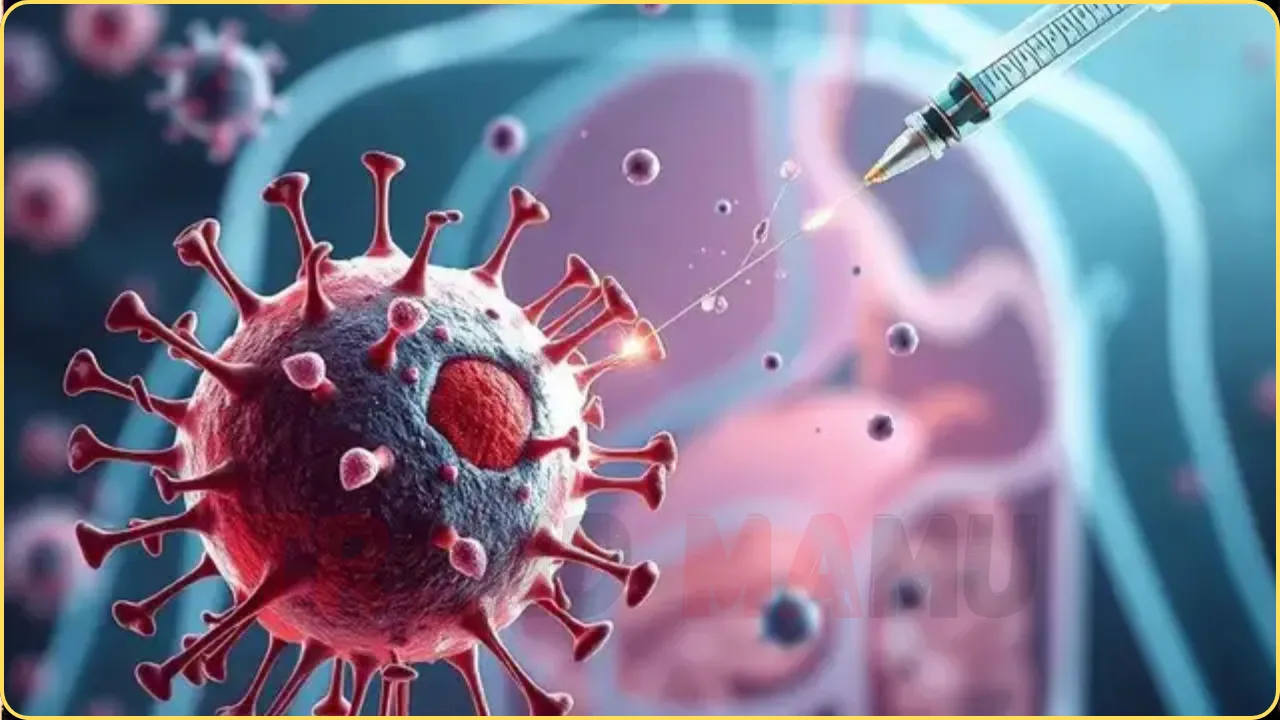
The new vaccine stands out because it’s tailored to individual patients. By analyzing the genetic makeup of a person’s tumor, scientists at the Gamaleya Center will use AI to design a specific mRNA blueprint. This blueprint trains the patient’s immune system to recognize and attack cancer cells effectively.
The trials are set to take place at leading cancer centers in Moscow, with the vaccine being offered free to eligible Russian citizens. This move reflects Russia’s growing ambition to lead in medical innovation, especially as it faces ongoing sanctions that have pushed it to develop homegrown solutions.
Backed by Science, But Questions Remain
Recent research supports the potential of this approach. Studies published in Nature Reviews Drug Discovery (2023) show that mRNA vaccines can trigger strong immune responses against neoantigens unique markers on cancer cells in melanoma patients. This aligns with Russia’s strategy, giving it a solid scientific foundation.
However, some experts are cautious. Compared to Western efforts, such as BioNTech’s BNT111 vaccine, which reported a 78% immune response rate in its Phase 1 trials, Russia has shared less detailed preclinical data. This lack of transparency has raised eyebrows, especially given past concerns over the rushed approval of Sputnik V during the pandemic.
Geopolitical Stakes in Medical Innovation
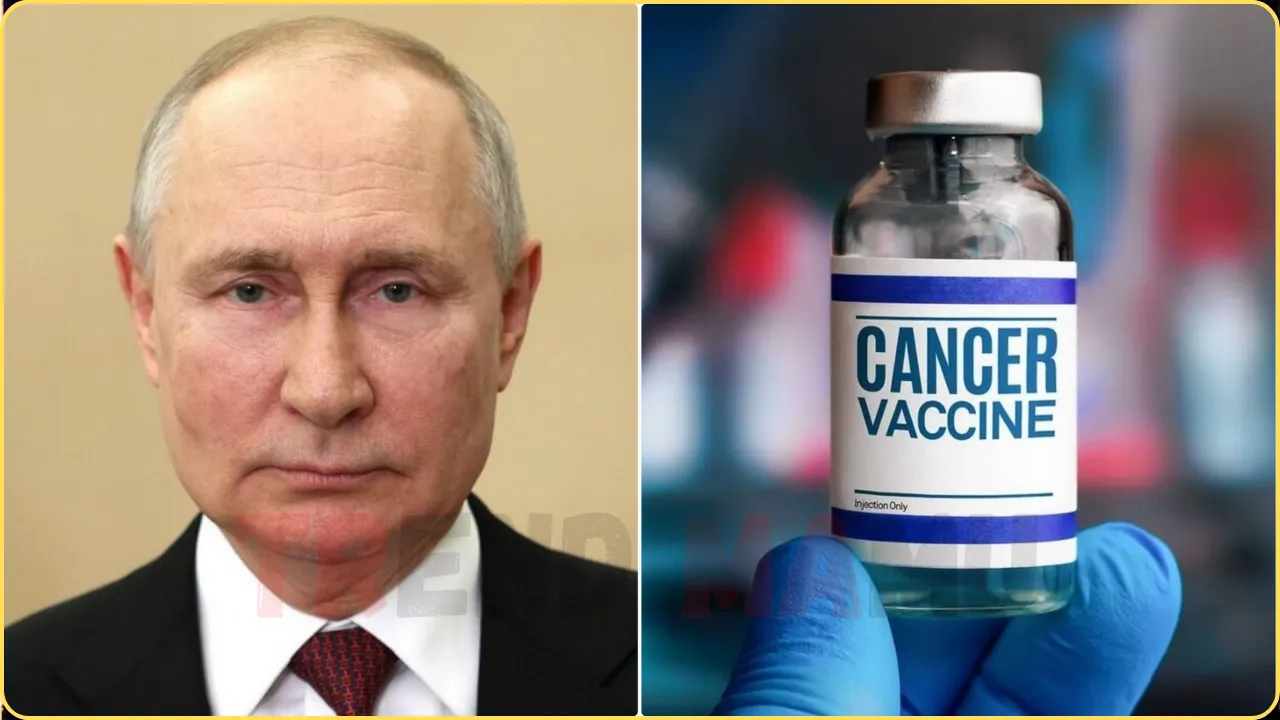
This announcement comes at a time of heightened geopolitical tension. In February 2024, President Vladimir Putin claimed that Russian scientists were close to creating cancer vaccines, a statement that ties into the country’s broader push for self-reliance in science and technology.
Amid sanctions from Western nations, Russia is keen to prove its medical prowess, challenging the narrative of its scientific decline. The cancer vaccine project could be a game-changer, not just for health but also as a symbol of national pride. Yet, the global community remains skeptical, with some questioning the reliability of data from Russian institutions due to historical controversies.
What This Means for the Future
If successful, this vaccine could disrupt the dominance of Western pharmaceutical companies, which currently control the lion’s share of the cancer treatment market. The Gamaleya Center’s use of AI and mRNA technology mirrors advances seen in the West, but the promise of free distribution sets it apart.
With around 4 million cancer patients in Russia and 625,000 new cases diagnosed annually, the need for affordable, effective treatments is urgent. Internationally, the project has sparked interest, with some foreign medical institutions already reaching out for potential collaboration.
However, the road ahead is long. The trials must prove the vaccine’s safety and effectiveness, and independent reviews will be crucial to build trust. For now, this development offers a glimmer of hope, blending cutting-edge science with geopolitical strategy. As the world watches, Russia’s next steps could redefine cancer care or serve as a reminder of the challenges in global health innovation.