




South Korea Reels from Deadly Floods and Landslides: 17 Dead, Thousands Displaced
Torrential Rains Devastate Gapyeong, Chungcheong, and Sancheong, Prompting Urgent Recovery Efforts
South Korea is grappling with the aftermath of catastrophic floods and landslides triggered by torrential rains from July 16 to July 20, 2025, which have claimed at least 17 lives and left 11 people missing. The deluge, described as a “once-in-a-century” event, has wreaked havoc across central and southern regions, particularly in Gapyeong, Chungcheong, and Sancheong, submerging homes, sweeping away vehicles, and devastating farmlands.
With over 13,000 people evacuated and more than 40,000 households without power, President Lee Jae-myung has declared the hardest-hit areas special disaster zones, signaling a robust government response. As the nation braces for a looming heatwave, this tragedy underscores the growing threat of extreme weather. Here’s a detailed look at the disaster, its impact, and the road to recovery.
A Deluge of Destruction
The relentless rains, peaking at 115 mm (4.5 inches) per hour in Seosan and totaling nearly 800 mm (31.5 inches) in Sancheong, battered South Korea for five days, causing widespread flooding and landslides.
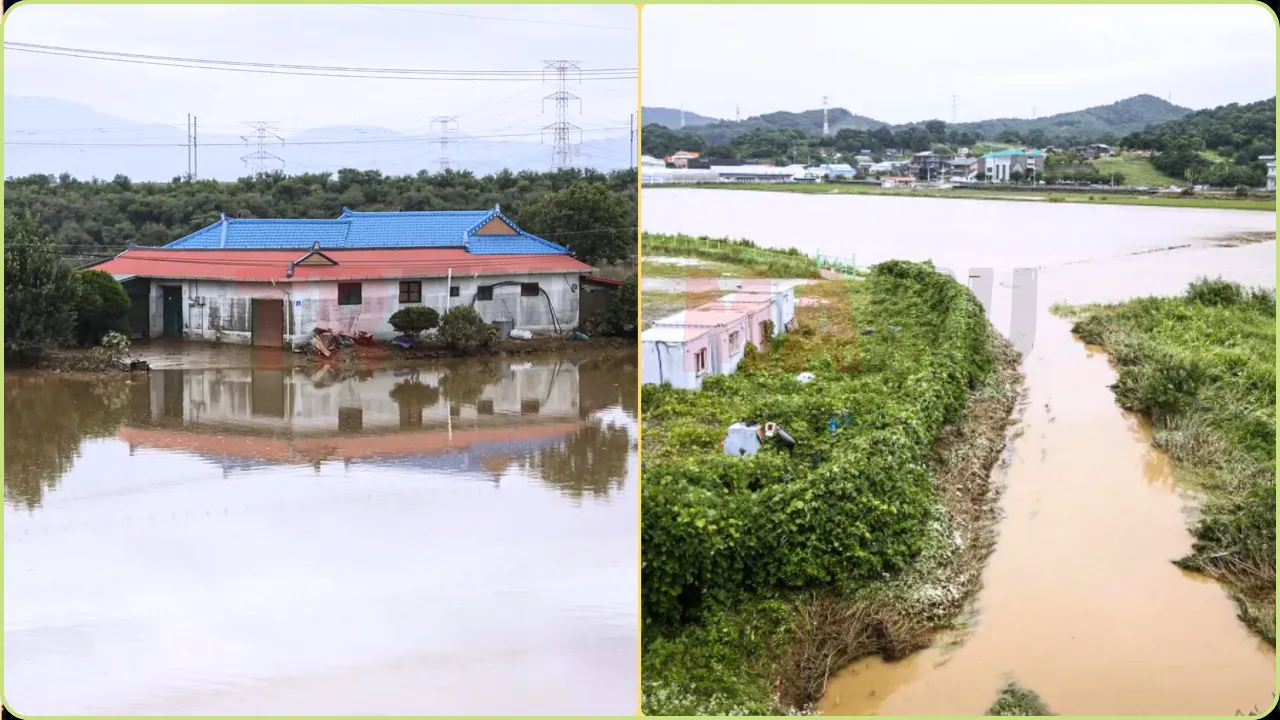
Gapyeong, a resort town northeast of Seoul, saw dramatic scenes of mud-covered streets and collapsed bridges, with a landslide at a campsite killing a man in his 40s and leaving two family members missing. Rescue teams used zip lines and helicopters to save stranded individuals, including 24 campers trapped by raging waters.
In the Chungcheong region, an entire village was buried under earth and debris, while Sancheong reported 10 deaths and four missing due to landslides and flash floods. Gwangju, hit with 426 mm of rain in a single day, mourned one fatality and faced severe infrastructure damage.
The Interior and Safety Ministry reported that three people died in South Chungcheong from incidents involving a submerged car, a swollen stream, and a flooded basement. In Osan, just south of Seoul, a man in his 40s was killed when a 10-meter retaining wall collapsed onto his car, crushing it under soil and concrete.
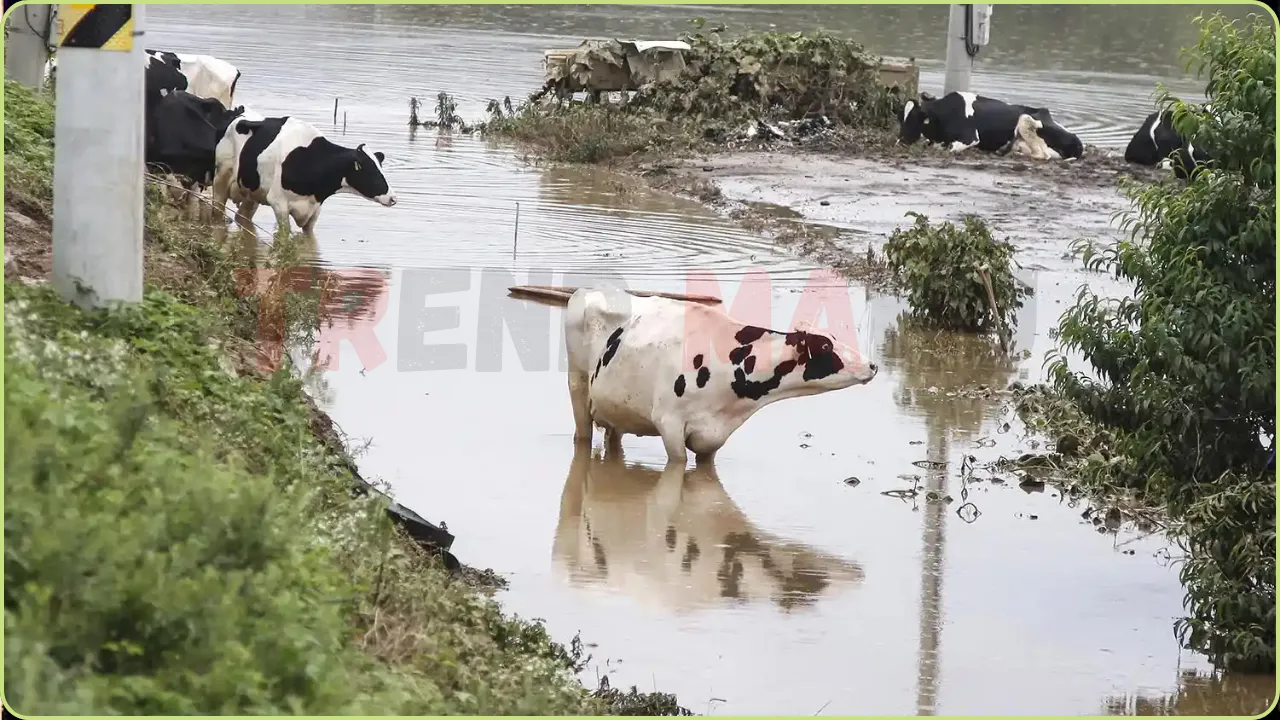
By July 20, over 9,694 households—13,000 residents—had been evacuated across 90 cities, with 2,730 still displaced by Sunday afternoon. More than 41,000 households lost power, and thousands of roads, buildings, and farms were damaged, with livestock losses reported in the tens of thousands.
Heroic Rescues Amid Chaos
Emergency response teams, including fire officials, military personnel, and divers, worked tirelessly to rescue survivors and recover victims. In Gapyeong, a woman in her 70s was found dead in a collapsed guesthouse, and a man in his 40s perished near a bridge in Daebo-ri. Firefighters rescued three residents from a landslide-hit area in Gapyeong, but 10 others remained unaccounted for across the region.
In Gwangju, 87 roads and 38 buildings were submerged, while Sancheong’s villages faced power outages and severed road connections. The government raised landslide and flood alerts to the highest level, with the Korea Meteorological Administration (KMA) attributing the deluge to a clash of cold northwestern air and warm, moist Pacific winds, forming massive rain clouds over the Yellow Sea.
Interior Minister Yun Ho-jung urged local authorities to deploy “all available resources” for rescue and recovery, with a Pan-Governmental Recovery Taskforce established to expedite aid. President Lee Jae-myung, visiting flood-ravaged areas, expressed deep sympathy and pledged financial support, designating Gapyeong, Sancheong, and parts of Chungcheong as special disaster zones for enhanced government aid. Train services, disrupted across lines connecting Seoul to Busan, Mokpo, and Gwangju, resumed by Sunday morning, though some routes remained closed.
A History of Monsoon Tragedies
South Korea’s monsoon season, typically spanning June to August, often brings heavy rains, but the 2025 deluge ranks among the worst in recent history, rivaling the 2023 floods that killed 47 and the 2022 Seoul floods that claimed 14 lives, including three in a Parasite-style basement apartment.
The KMA noted that Seosan’s 419.5 mm and Sancheong’s near-800 mm rainfall were among the highest recorded, with Gwangju’s 426 mm on July 17 marking an 86-year record. The country’s mountainous terrain exacerbates landslide risks, and saturated soils have heightened fears of further collapses, even in areas with less rain. Past incidents, like the 2023 Cheongju tunnel flooding that killed 14, sparked criticism over delayed road closures, and similar questions are emerging about whether authorities acted swiftly enough in 2025.
Social media reflects public anguish and frustration, with posts describing the floods as “apocalyptic” and sharing images of submerged markets and mud-filled homes. One resident in Yesan, whose house and rice paddies were flooded, called it “the worst rain I’ve ever seen,” while a Gwangju café owner lamented shutting her business due to sewer odors. The government’s response, however, has been praised for its speed, with Minister Yoon inspecting damaged markets in Dangjin and promising expedited support.
Climate Change and Future Risks
Scientists attribute the increasing severity of South Korea’s monsoons to climate change, which intensifies weather patterns and fuels extreme events. The KMA’s data shows rainfall rates in 2025 surpassing historical norms, with Seosan’s 115 mm per hour labeled a “once-in-a-century” event.
As the rain subsides, a heatwave with temperatures up to 32°C (90°F) is forecast, complicating recovery efforts in waterlogged regions. The government is now tasked with rebuilding infrastructure, restoring power, and supporting displaced families, with damages estimated in the billions of won. Long-term, calls are growing for improved flood defenses, such as redesigning dams like Dongbok in Hwasun County, which overflowed, flooding 10 villages.
A Nation in Recovery
As South Korea mourns, the focus is on finding the 11 missing individuals and aiding over 13,000 evacuees. The tragedy has united communities, with volunteers assisting in cleanup efforts and vigils planned in affected areas. The designation of special disaster zones will unlock funds for rebuilding, but the emotional toll particularly in Sancheong, where entire families were lost will linger.
This disaster, one of the deadliest in recent years, underscores the urgent need for climate-resilient infrastructure and proactive disaster preparedness in a region increasingly vulnerable to extreme weather.