




China Alarming Chikungunya Outbreak: 7,000 Sickened in Just Weeks as Global Warnings Surge!
A rapidly spreading outbreak of the chikungunya virus in China has sickened over 7,000 people in just four weeks, prompting urgent action from health officials and a travel warning from the US Centers for Disease Control and Prevention (CDC).
The mosquito-borne illness, known for causing fever and severe joint pain, has sparked concern as it spreads across multiple regions, marking China’s largest outbreak since 2008. Here’s a closer look at the crisis, its impact, and global efforts to curb its spread.
A Growing Health Crisis
As of August 6, 2025, more than 7,000 cases of chikungunya have been reported in China, with the epicenter in Foshan, a city in Guangdong province. The outbreak, which began four weeks ago, has spread to Hong Kong, Macao, and Hunan province, over 400 miles north.
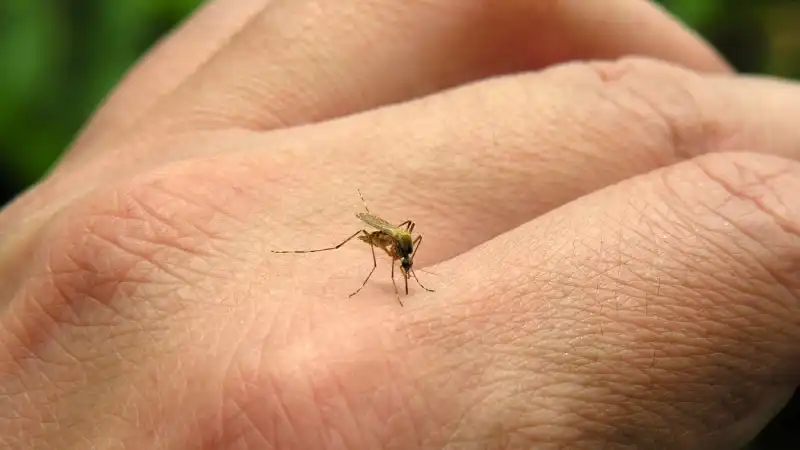
Transmitted by mosquitoes, the virus causes debilitating symptoms, including high fever, severe joint pain, headaches, muscle pain, joint swelling, and rashes, typically appearing 3 to 7 days after a bite. The World Health Organization notes that while the illness is rarely fatal, its symptoms can be excruciating and long-lastingfor

This outbreak is the largest in China since the virus was first detected there in 2008. The rapid spread has raised alarms, with health officials racing to contain the disease before it escalates further. Globally, chikungunya has caused 240,000 cases and 90 deaths across 16 countries in 2025, according to the European Centre for Disease Prevention and Control.
Urgent Measures to Contain the Spread
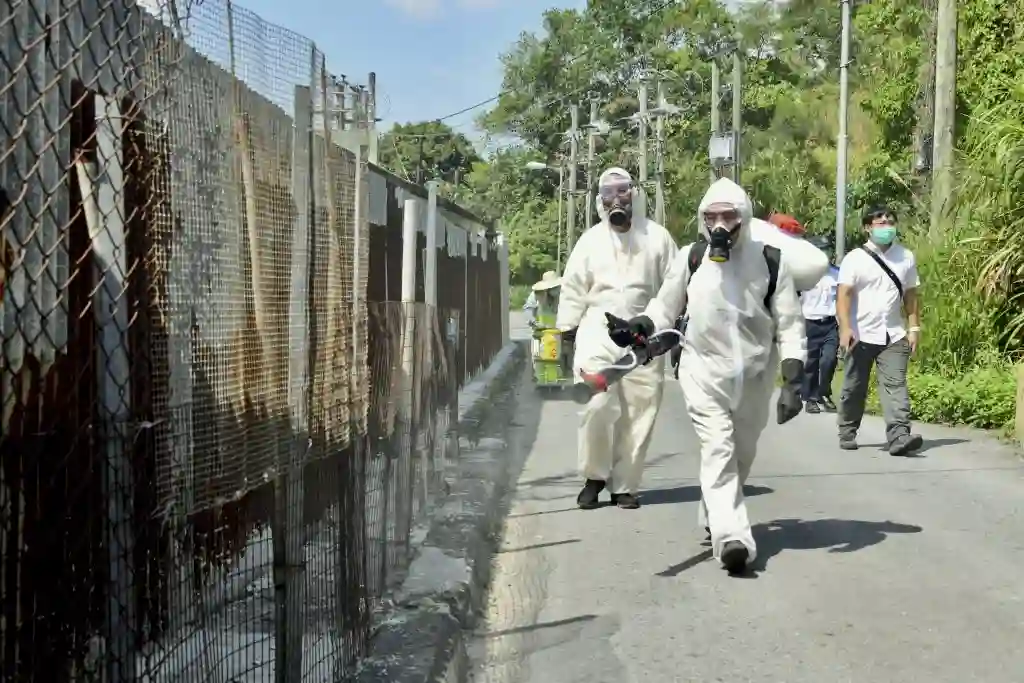
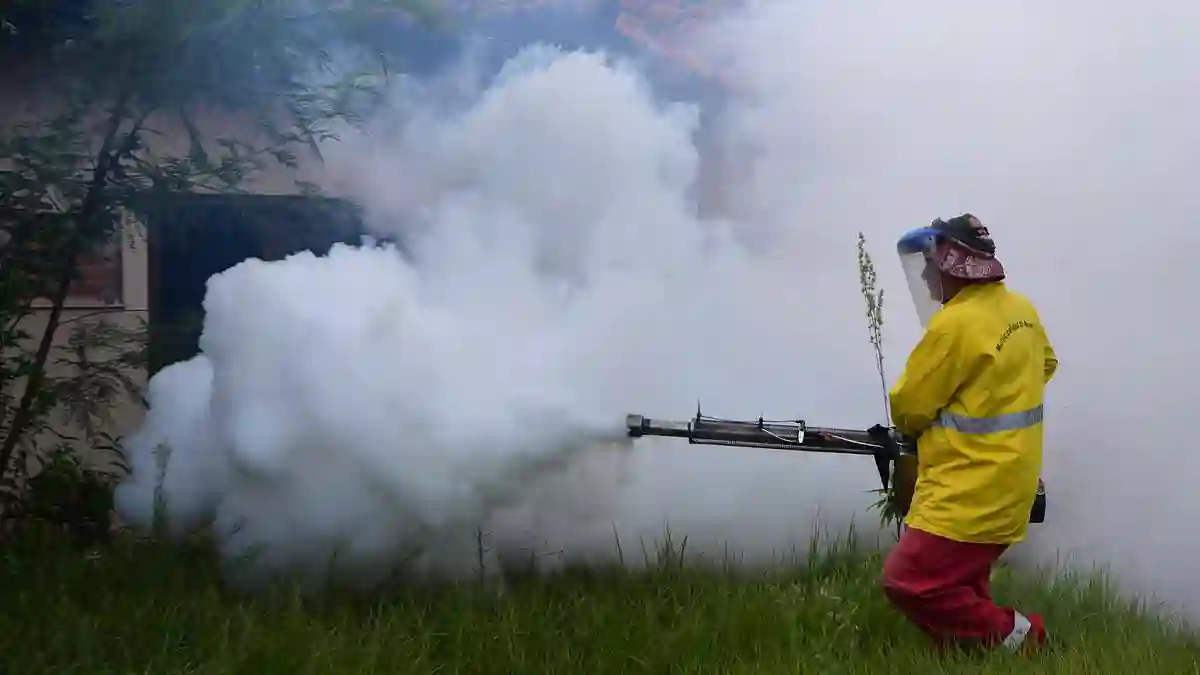
Chinese authorities are deploying aggressive measures to combat the outbreak. Drones and pesticides are being used to reduce mosquito populations, while home inspections are underway to eliminate stagnant water, a breeding ground for mosquitoes.
In some areas, residents face fines for failing to address standing water, and office workers are being sprayed with mosquito repellent before entering workplaces. “The current situation is preventable, treatable, and controllable,” said Guo Jiakun, spokesperson for the Chinese Foreign Ministry, emphasizing the government’s commitment to halting the virus.

There is no specific treatment for chikungunya, but vaccines are available and recommended for travelers visiting affected areas. The CDC has urged people to take precautions, such as using insect repellent, wearing long-sleeved clothing, and staying in air-conditioned or screened accommodations to avoid mosquito bites.
Global Travel Warnings
On August 1, 2025, the CDC issued a Level 2 travel notice, advising travelers to China to “practice enhanced precautions” due to the outbreak. Similar warnings have been issued for Bolivia, Kenya, Madagascar, Mauritius, Mayotte, Réunion, Somalia, and Sri Lanka, where chikungunya cases are also rising. The US has not reported cases since 2019, but the CDC is urging vigilance to prevent the virus from spreading further. The agency’s recommendations aim to protect travelers and curb the risk of importing the virus to unaffected regions.
The global rise in mosquito-borne diseases, including chikungunya, dengue, Zika, and yellow fever, has been linked to climate change. The Environmental Protection Agency notes that warmer temperatures speed up mosquito development, increase biting rates, and accelerate disease transmission, creating ideal conditions for outbreaks like this one.
A Call for Awareness
The chikungunya outbreak in China serves as a stark reminder of the growing threat posed by mosquito-borne illnesses in a warming world. As officials work to control the spread, the global community is urged to stay informed and take preventive measures.
For travelers, following CDC guidelines is crucial, while residents in affected areas are encouraged to support local efforts to eliminate mosquito breeding sites. The situation underscores the need for international cooperation to address the health and environmental challenges driving these outbreaks.