




Starvation Crisis in Gaza Hospital Wards: A Man-Made Catastrophe
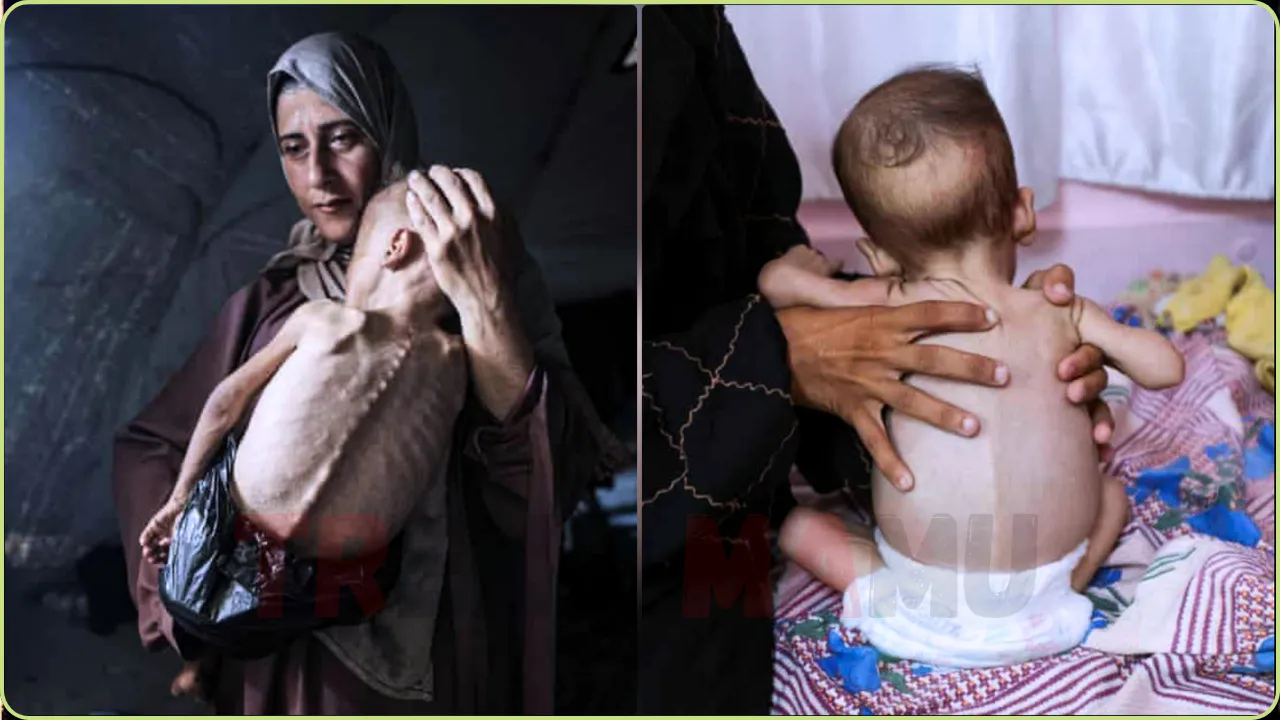
In Gaza’s overwhelmed hospitals, skeletal children like seven-month-old Mohammed, weighing just 4kg (9lbs), lie in crowded wards, their frail bodies a stark testament to a deepening starvation crisis. The Patient’s Friends Benevolent Society hospital in Gaza City, one of the few still functioning, is inundated with up to 200 malnourished children daily, treated by only two pediatric teams. Dr. Musab Farwana, a pediatrician, struggles to save them while his own family wastes away, unable to access adequate food.
This crisis, described as “man-made” by the World Health Organization’s head, Tedros Adhanom Ghebreyesus, has claimed at least 111 lives, including 80 children, in recent weeks, with 43 deaths reported over three days in July 2025. Israel’s blockade, restricting food and medical supplies, has pushed Gaza to the brink of famine, leaving families like Umm Youssef al-Khalidi’s to face deadly choices between hunger and dangerous aid distribution sites.
A Dire Situation in Gaza’s Hospitals
At the Patient’s Friends Benevolent Society hospital, the wards are a heartbreaking scene of emaciated children, some sharing beds due to overcrowding. Mohammed, born healthy but now gaunt with protruding ribs, is one of many suffering from severe malnutrition. His grandmother, Faiza Abdul Rahman, who ate only a single piece of pita bread costing £3 the previous day, fears losing him.
“His siblings also suffer from severe hunger. On some days, they go to bed without a single bite,” she said. The lack of baby formula and breast milk, compounded by mothers’ own malnutrition, has left infants like Mohammed vulnerable. Dr. Farwana, who treated three children who died this week, including a girl who could have survived with basic intravenous potassium, laments the absence of essential supplies. “These cases haunt me,” he said, highlighting the collapse of Gaza’s health system under the weight of malnutrition and war injuries.
Israel’s Blockade and the Role of the Gaza Humanitarian Foundation
Israel’s total siege on Gaza, imposed on March 2, 2025, and partially eased on May 19, has drastically reduced food shipments to below starvation rations for Gaza’s 2.1 million people. Despite Prime Minister Benjamin Netanyahu’s claim of preventing a “starvation crisis,” aid groups report that only a trickle of supplies enters, insufficient to meet needs.
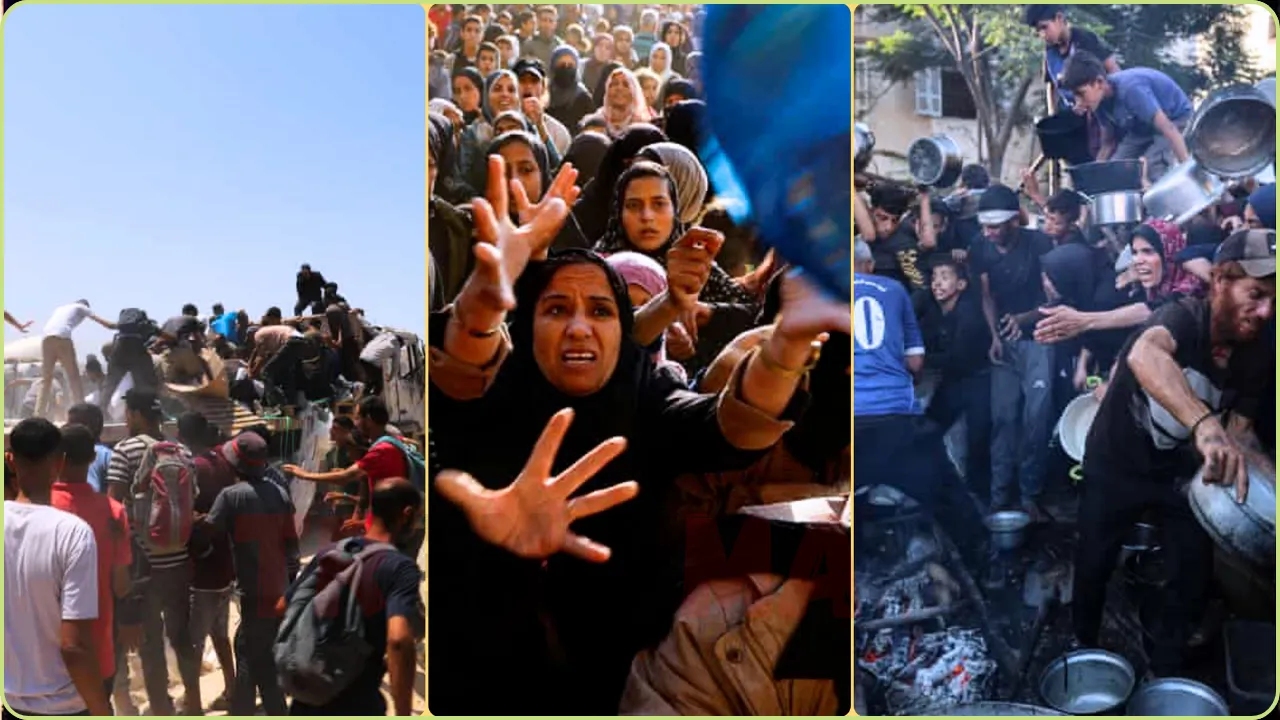
The Israeli government has channeled aid through the Gaza Humanitarian Foundation (GHF), a US-backed group operating four militarized distribution points. These sites, described by Palestinians as “death traps,” have been linked to over 1,000 deaths since May, with 766 killed near GHF sites alone, often by Israeli forces’ “warning fire.”
The GHF’s food deliveries, operational for 58 days by July 22, would sustain Gaza for less than two weeks if distributed equally, far short of requirements. UNRWA and other aid groups refuse to cooperate with GHF, accusing it of politicizing aid and enabling Israel’s alleged use of starvation as a weapon.
Soaring Prices and Desperate Measures
Empty markets and skyrocketing prices have made food unattainable for most Gazans. Flour now costs over 30 times its pre-war price, with a 25kg sack reaching $235-$520. Families like Umm Youssef al-Khalidi’s, whose eight members shared a bag of rice and two potatoes after four days without food, resort to extreme measures. Her children, once top students, now sell bracelets on Gaza City’s streets, but soaring costs mean even charity offers little relief.
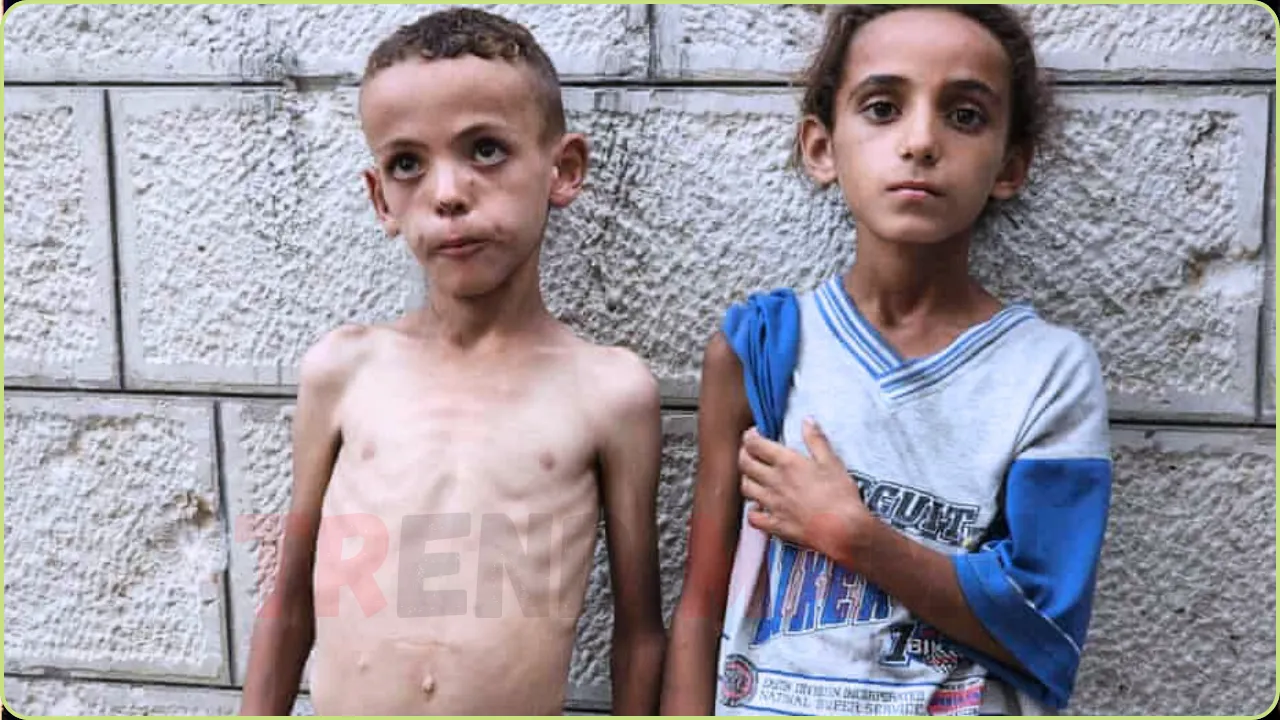
“My children have become skeletal, skin and bone,” Khalidi said, driven to risk her life at a GHF site despite her husband’s disability and her children’s dependence on her. The Integrated Food Security Phase Classification (IPC) reports that 93% of Gaza’s population faces acute food insecurity, with 244,000 in catastrophic conditions (IPC Phase 5), and 71,000 children under five expected to suffer acute malnutrition by April 2026.
A Man-Made Crisis with Lasting Scars
The WHO, UN, and over 100 aid groups, including MSF and Oxfam, have condemned Israel’s blockade as a deliberate act causing “mass starvation.” Tedros Adhanom Ghebreyesus stated, “I don’t know what you would call it other than mass-starvation – and it’s man-made.” The crisis, exacerbated by repeated displacement and destroyed infrastructure, has led to a surge in diseases like meningitis and diarrhea, worsened by malnutrition. Pregnant and breastfeeding women, with 11,000 at risk of famine, face severe complications, threatening their babies’ survival.
The social fabric is unraveling, with communities fractured by desperation and violence at aid sites. Experts warn of generational scars, including stunted growth and cognitive impairment in children. Amnesty International and others have accused Israel of using starvation as a genocidal tactic, a claim Israel denies, asserting it facilitates aid while blaming Hamas for shortages.
Calls for Action Amid Ongoing Violence
The international community, including 28 countries like the UK and Canada, has demanded an end to the war and unrestricted aid access, but no concrete sanctions have been imposed. UNRWA reports having enough food for Gaza’s entire population stockpiled at the Egyptian border, yet Israeli restrictions prevent delivery.
“Lift the siege. Allow UNRWA to bring in food and medicines,” the agency pleaded on X. As Israeli strikes continue, killing 116 people on July 19, including 38 at a GHF site, the death toll from starvation and violence rises. With ceasefire talks faltering and Israel planning a broader offensive, the crisis shows no sign of abating, leaving Gaza’s children and families in a desperate fight for survival.