




Tragedy Strikes Yemen: 68 Migrants Die in Heartbreaking Boat Capsize
A devastating boat accident off Yemen’s coast has claimed the lives of at least 68 African migrants, with 74 others missing, in a grim reminder of the dangers faced by those fleeing poverty and conflict.
The tragedy occurred in the Gulf of Aden near Yemen’s Abyan province on Sunday, August 3, 2025, as a vessel carrying 154 Ethiopian migrants capsized. As rescue efforts continue, fears are growing that the death toll may rise. Here’s a detailed look at the incident and its broader implications.
A Catastrophic Loss at Sea
The ill-fated boat, carrying migrants hoping to reach Gulf countries, overturned in the early hours of Sunday near Yemen’s southern coast. According to Abdusattor Esoev, head of the International Organization for Migration (IOM) in Yemen, 54 bodies have washed ashore in the Kanfar district, while 14 others were recovered and taken to a hospital in Zinjibar, Abyan’s capital. Only 12 survivors have been found, leaving authorities with little hope for the 74 missing migrants. “The likelihood of their survival is low,” Esoev told local media, highlighting the scale of the tragedy.
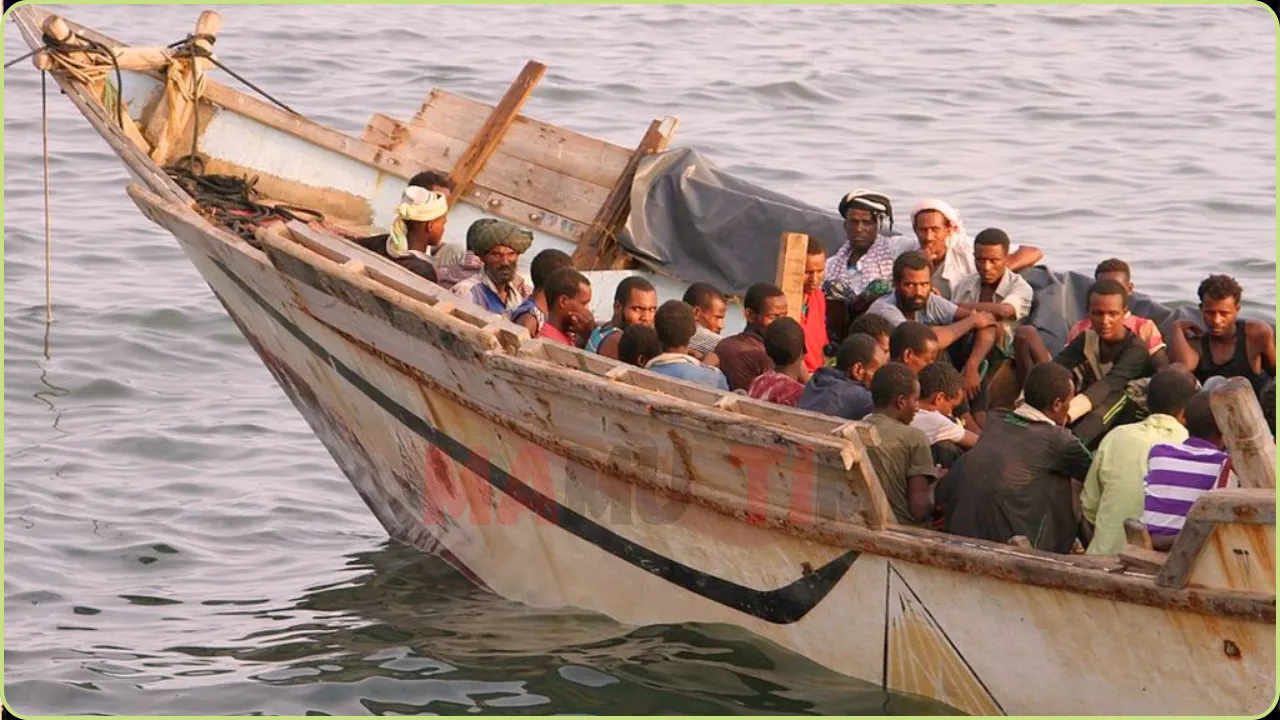
The Abyan Security Directorate reported that the high number of casualties prompted a large-scale search and rescue operation. Bodies have been found scattered across the coastline, underscoring the severity of the accident. The IOM has called the incident a “profound tragedy,” noting that it adds to the growing list of deadly boat accidents in the region.
A Perilous Journey for Survival
The migrants, primarily from Ethiopia, were part of a larger wave of African refugees seeking better lives in the Middle East. Driven by poverty, conflict, and lack of opportunity, many undertake dangerous sea crossings in overcrowded, rickety boats through routes like the Gulf of Aden or the Red Sea.
These journeys often end in disaster, as vessels are ill-equipped to handle rough waters or the sheer number of passengers. The IOM estimates that over 60,000 migrants reached Yemen in 2024, down from 97,200 in 2023, partly due to increased coastguard patrols. However, these patrols have not deterred desperate migrants from attempting the treacherous route.

Yemen, despite its own decade-long civil war, remains a key transit point for those aiming for Gulf nations or Europe. The Sunday tragedy highlights the risks of this migration path, where small boats are frequently overloaded, leading to accidents that claim countless lives.
A Pattern of Tragedy
The Gulf of Aden has become a graveyard for migrants, with this incident marking one of the deadliest in recent years. In March 2025 alone, four boats capsized off Yemen and Djibouti, killing two migrants and leaving 186 missing. The recurring nature of these accidents has drawn attention to the lack of safe migration pathways for those fleeing hardship. The IOM and local authorities have called for international action to address the root causes of migration, such as poverty and conflict, and to improve maritime safety measures.
The Abyan Security Directorate’s statement emphasized the ongoing efforts to locate the missing, but the operation faces challenges due to the vastness of the coastline and the limited resources available in war-torn Yemen. The international community has expressed condolences, with the United Nations urging stronger measures to protect vulnerable migrants.
A Call for Change
This latest disaster underscores the urgent need for safer migration routes and greater support for countries like Yemen, which bear the brunt of transit migration despite their own challenges. The loss of 68 lives, with more likely to be confirmed, has sparked renewed calls for action to prevent such tragedies. As families mourn and rescuers continue their grim task, the world is reminded of the human cost of desperation and the perilous journeys it inspires.